Ever thought your old motorcycle could be worth more in pieces than as a whole? The world of motorcycle dismantling offers a surprising alternative to selling it whole.
Selling your motorcycle for parts is more than just making money fast. It’s a smart way to find hidden value in your bike. In Australia, many riders find that the value of their motorcycle’s parts can be higher than expected, thanks to the demand for certain components.
If your motorcycle is old or damaged, breaking it down into parts might be a wise financial choice. The market for motorcycle parts is strong, with many buyers looking for reliable parts for repairs and restoration.
Key Takeaways
- Motorcycle dismantling can be more profitable than selling the entire bike
- Used motorcycle parts have significant market demand
- Some components retain higher value than the complete vehicle
- Proper assessment is crucial for maximising motorcycle salvage value
- Online marketplaces make selling parts easier than ever
- Environmental benefits of recycling motorcycle parts
Understanding the Value of Motorcycle Parts
Getting into the motorcycle spare parts business needs smart knowledge about the market and part values. Your success comes from knowing how each part can make money.
The Australian motorcycle market is full of chances for sellers to make good money from old bikes. Knowing which parts are worth the most can turn a worthless bike into a money-maker.
Market Demand for Motorcycle Components
Motorcycle parts have a lively secondary market. This market is driven by enthusiasts and repair pros. The demand changes based on a few key things:
- Engine parts from well-known brands
- Rare or vintage motorcycle parts
- Parts that make bikes go faster
- Parts that make the bike’s frame and suspension work well
High-Demand Motorcycle Parts
Some parts always get a lot of interest from buyers:
| Part Category | Estimated Value Range | Market Demand |
|---|---|---|
| Complete Engines | $500 – $3,000 | Very High |
| Exhaust Systems | $150 – $1,000 | High |
| Transmission Units | $300 – $2,000 | High |
| Electrical Components | $50 – $500 | Moderate |
Pricing Factors for Motorcycle Parts
Many things affect the value of motorcycle parts:
- The part’s condition
- The brand’s reputation
- The part’s age and mileage
- How rare it is
- If it fits popular models
Understanding the world of motorcycle breakdown profits takes time, research, and smart selling.
Your success in the motorcycle spare parts business comes from seeing value where others don’t. With the right assessment and marketing, you can make money from old bikes.
Evaluating the Condition of Your Motorcycle
When you think about selling motorcycle parts, checking your bike’s condition is key. Knowing what your bike’s parts are worth can help you get the best price.
A detailed check-up looks at many important things. These things help figure out how much your motorcycle’s parts are worth.
Assessing Damaged Components
Finding damaged parts is the first thing to do. Look for these signs:
- Physical damage and visible wear
- Rust or corrosion on metal parts
- How well the electrical system works
- If the mechanical parts work right
Identifying Usable Parts
Not all parts lose value the same way. Some parts are very popular in the motorcycle parts market:
- Engine parts
- Electrical systems
- Transmission parts
- Rare or special accessories
Estimating Overall Value
To figure out your motorcycle’s scrap value, think about these things:
| Assessment Category | Impact on Value |
|---|---|
| Physical Condition | High |
| Mechanical Performance | Very High |
| Electrical System | Medium |
| Maintenance History | High |
Expert Tip: A well-kept motorcycle can really boost your parts’ resale value.
By carefully checking each part, you’ll know how much your motorcycle could sell for.
Financial Considerations for Selling Parts
When you decide to sell motorcycle parts, it’s important to plan carefully. You need to know how much you can earn and what costs you’ll face. This helps you get the most out of your investment.
There are several financial aspects to consider when selling motorcycle parts:
Costs of Dismantling
Dismantling a motorcycle costs money. You’ll need to set aside funds for:
- Specialized tools for safe disassembly
- Storage space for components
- Time investment for careful part removal
- Potential workshop or workspace rental
Potential Earnings from Selling Parts
Selling motorcycle parts can be very profitable. Rare bikes with limited production runs have valuable parts that collectors want. Items like engines, frames, and electrical systems can sell for high prices.
“Not all motorcycle parts are created equal – some are worth their weight in gold to the right buyer.”
Comparing Part Sales to Whole Motorcycle Sale
Parting out a motorcycle might earn you more than selling the whole bike. Bikes 20 to 30 years old can bring in more money when sold piece by piece. This is true if they have original, unmodified parts.
The local market and your bike’s model will affect how much you can earn. Research similar sales and understand your bike’s value to make a smart choice.
The Dismantling Process
Motorcycle dismantling can be a great way to make money for those who know how. It turns old or damaged bikes into something valuable.
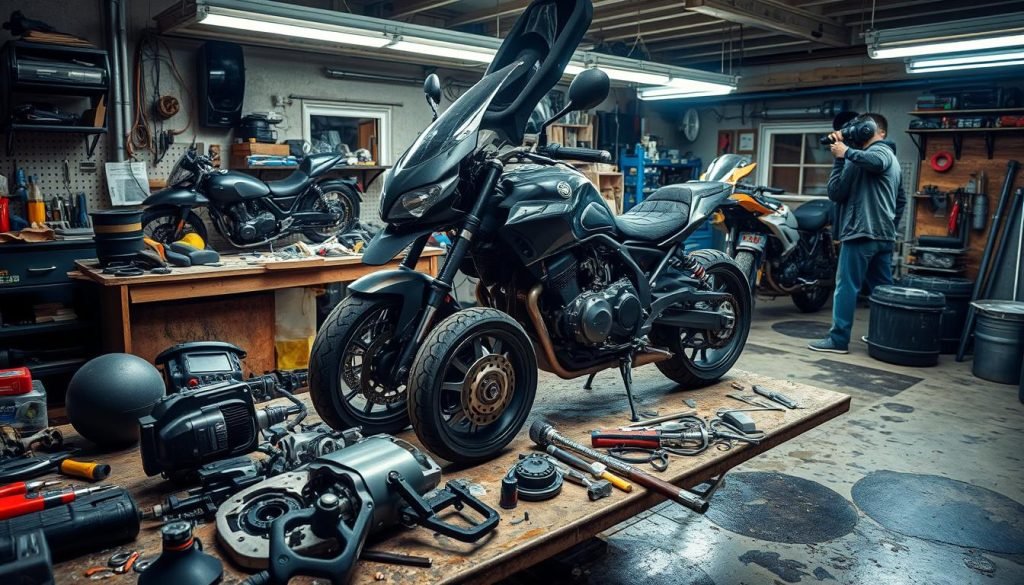
Before you start, you need to plan and get the right tools. It’s all about precision and strategy to get the most out of your bike.
Essential Tools for Motorcycle Dismantling
- Professional socket set with multiple sizes
- Torque wrench for precise component removal
- Quality screwdriver set
- Protective work gloves
- Motorcycle-specific lifting stand
- Digital camera for documentation
Safety Precautions to Consider
Always keep safety in mind when taking apart a bike. Work in a well-ventilated area, wear protective eyewear, and use strong lifting gear to avoid injury.
*”Preparation and caution are your best tools when dismantling a motorcycle.”*
Tips for Efficient Dismantling
- Create a systematic workspace
- Label each removed component
- Photograph parts before removal
- Organize components by potential resale value
- Store parts in clean, dry containers
| Component | Potential Resale Value | Condition Requirements |
|---|---|---|
| Engine | High | Minimal wear, functional |
| Electrical Systems | Medium to High | No water damage |
| Brake Components | Medium | Minimal wear, no structural damage |
| Body Parts | Low to Medium | Limited scratches, no major dents |
By following these tips, you can make motorcycle dismantling a profitable venture. It helps you make the most of your bike while also supporting sustainable recycling in Australia.
Legal and Environmental Considerations
Starting a motorcycle spare parts business means understanding legal and environmental rules. You’ll need to look at more than just making money when selling parts.
It’s not just about making money from motorcycle parts. It’s about being part of Australia’s recycling system.
Understanding Legal Requirements
Australia has strict rules for selling motorcycle parts. You must:
- Have proof of owning the motorcycle
- Follow state rules for disposing of vehicles
- Keep clear records of sales
- Make sure parts are safe before selling them
Safe Disposal of Unusable Parts
Not all parts can be sold. Proper disposal is key:
- Keep hazardous materials like oils and batteries separate
- Recycle at authorized centers
- Don’t pollute the environment
- Follow local waste rules
“Responsible recycling isn’t an option—it’s an obligation to our environment.”
Importance of Recycling Motorcycle Parts
The motorcycle recycling industry is vital for the environment in Australia. By salvaging parts, you:
- Reduce landfill waste
- Save raw materials
- Lower carbon emissions
- Support green car practices
Your efforts in recycling motorcycle parts help make Australian roads greener.
Finding Buyers for Parts
Selling used motorcycle parts needs careful planning and a good grasp of the Australian market. Your success hinges on knowing where and how to find buyers for motorcycle parts resale.
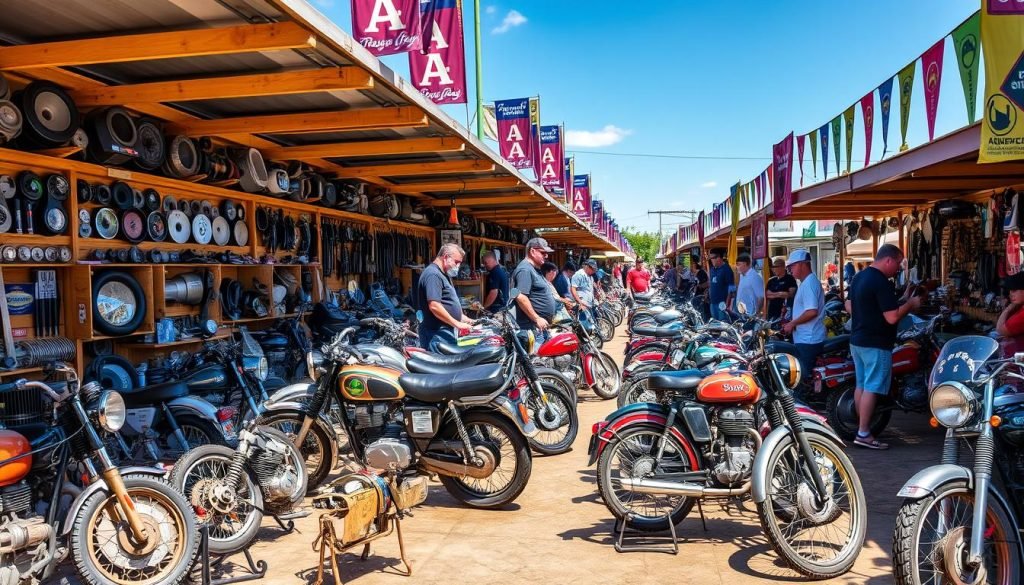
Online Marketplaces for Motorcycle Parts
Digital platforms are great for selling used motorcycle parts. Key online marketplaces include:
- Facebook Marketplace
- Anibis
- Tutti
- Motoscout
- Specialised motorcycle forums
Local Mechanic Shops and Breakers
Australian motorcycle wreckers and local mechanic shops are good alternatives for selling parts. They often look for quality used components like:
- Engines ($300 – $500 value)
- Exhaust systems
- Electrical components
- Bodywork panels
Tips for Crafting Effective Listings
When selling used motorcycle parts, how you present them is key. Make your listings stand out by:
- Providing detailed descriptions
- Including high-quality photos
- Pricing competitively (10-20% markup recommended)
- Specifying part condition accurately
“Price negotiable in person, within reason” attracts more potential buyers and allows flexibility in transactions.
| Part Type | Estimated Value | Selling Potential |
|---|---|---|
| OEM Parts | Higher value | Consistent demand |
| Aftermarket Parts | $100 – $400 | Broad market appeal |
| Vintage Parts | Variable | Potential collector’s value |
By grasping these strategies, you can effectively sell in the used motorcycle parts market. This will help you make the most of your selling potential.
Maximising Profits from Selling Parts
Selling motorcycle parts can be very profitable for those who know how. It’s a smart way to make money from a broken bike. You need a good plan and smart strategies to get the most out of it.
When you sell motorcycle parts, knowing how to price them is key. Your success depends on several important factors. These can greatly affect how much money you make.
Crafting Effective Pricing Strategies
Setting prices for motorcycle parts is more than just picking a number. You must think about:
- Part condition and quality
- Market demand
- How rare the part is
- The brand’s reputation
Negotiation Techniques for Maximum Returns
Negotiation is crucial when selling motorbike parts. Knowing your minimum price is important, but being open to offers can help you earn more.
“Price is what you pay. Value is what you get.” – Warren Buffett
Strategic Package Deal Opportunities
Offering package deals can help sell more parts faster and make more money. Bundling parts that go together can attract more buyers.
| Package Type | Potential Profit Increase | Buyer Appeal |
|---|---|---|
| Engine Component Bundle | 15-25% | High |
| Electrical System Kit | 20-30% | Very High |
| Suspension Upgrade Set | 25-35% | Extremely High |
Success in selling motorbike parts isn’t just about making a sale. It’s about adding value for your customers and making good money from broken bikes.
Maintaining Your Reputation as a Seller
In the competitive motorcycle spare parts business, your reputation is your most valuable asset. Selling motorcycle components requires more than just listing parts. It demands trust, transparency, and professionalism.
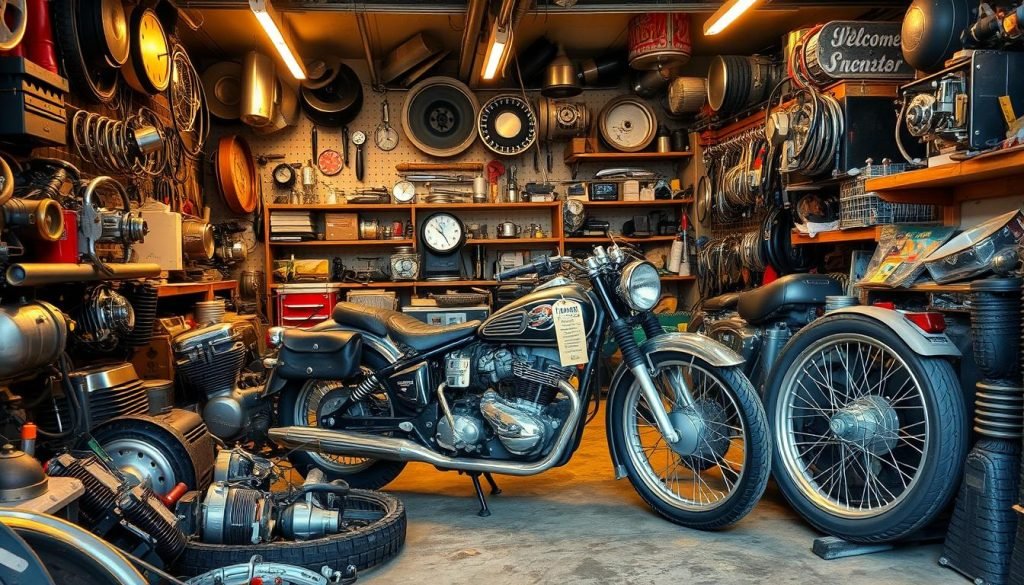
Building a solid reputation starts with honesty and clear communication. Buyers in the motorcycle parts market want reliable sellers. They look for those who provide accurate information about their components.
The Power of Honesty in Sales
When selling motorcycle components, transparency is crucial. Always describe parts with complete accuracy:
- Provide detailed condition reports
- Disclose any previous repairs or modifications
- Use clear, high-quality photographs
- Be upfront about potential limitations
Developing Strong Buyer Relationships
Successful motorcycle spare parts businesses thrive on repeat customers and positive word-of-mouth. Focus on creating exceptional buyer experiences:
- Respond promptly to inquiries
- Package parts carefully
- Offer reasonable shipping options
- Provide post-sale support
Professional Dispute Resolution
“In business, how you handle challenges defines your reputation more than the challenges themselves.”
When disputes arise in your motorcycle parts business, address them professionally:
| Dispute Type | Recommended Action |
|---|---|
| Part Condition Disagreement | Offer photographic evidence, partial refund, or replacement |
| Shipping Damage | Immediate replacement, full refund |
| Compatibility Issues | Provide technical guidance, potential exchange |
Remember, each interaction is an opportunity to showcase your commitment to quality in the motorcycle spare parts business.
Conclusion: Making the Right Choice
Deciding to sell your motorcycle for parts needs careful thought. The value of parts can vary a lot, from $5 to $250. You must weigh the money you might make against the effort to take it apart.
Is selling your motorcycle for parts a good idea? It depends on your situation. If your bike has many parts that can be sold, you could make a lot of money. Sites like eBay and Gumtree are great for finding buyers, with about 100 parts out of 130 being sellable.
Weighing Your Options
First, check your bike’s condition and the demand for its parts. Also, think about how much time and effort you can put into selling. Selling parts can be rewarding but it takes patience, knowledge, and good marketing. Local salvage yards and repair shops often look for quality parts at good prices.
Final Considerations
Make sure selling parts fits your financial goals and what you can do. Do your homework on market values and watch out for scams. With good planning, selling parts can be a smart and green choice for bike owners.