Ever thought about selling your bike without a title? The Australian market for selling bikes has its own rules. It’s not just about finding a buyer. You need to know the laws for selling bikes privately.
Selling bikes legally means you must be smart about it. You’ll need to document everything and know the local laws. With the right steps, selling your bike can be easy and successful.
It might seem hard to sell a bike without a title, but it’s doable. Our guide will show you how to sell your bike legally and without trouble.
Key Takeaways
- Understand local registration requirements before selling
- Gather all necessary documentation for a legal sale
- Prepare comprehensive information about your bike
- Know the potential risks of selling without a complete title
- Consider professional advice for complex sales scenarios
Understanding the Importance of a Title
Knowing about bike ownership laws is key. A motorcycle title is more than a piece of paper. It’s your legal proof of ownership, crucial for transferring bike ownership legally.
In Australia, dealing with motorbike title transfers can be tricky. State rules need specific documents to prove you own your motorcycle. Without a proper title, selling your bike is hard.
What is a Vehicle Title?
A vehicle title is an official document that:
- Proves legal ownership of your motorcycle
- Allows you to register and insure your vehicle
- Enables smooth transfer of ownership during sales
- Protects both buyer and seller in legal transactions
Why is a Title Necessary for Sale?
“A title is your motorcycle’s passport to a legitimate sale.”
28% of bike sales without a title result in legal disputes. This shows how important proper documentation is. A title proves you legally own the bike when selling.
For Australian riders, having a clear title is vital. State rules need detailed documents for a motorcycle sale. This protects both the buyer and seller from legal issues.
Legal Implications of Selling Without a Title
Selling a bike without a title can lead to big legal problems in Australia. Bike ownership laws are strict. You need to pay close attention to these rules.
It’s important to know the legal risks before selling a bike without a title. Laws about abandoned bikes vary in Australia. But, the penalties can be harsh.
Vehicle Ownership Regulations
In Australia, there are key legal steps to transfer vehicle ownership:
- Lodging a Notice of Disposal (NOD) within 14 days of sale
- Ensuring proper registration transfer
- Providing accurate documentation to the buyer
Potential Legal Risks
Selling a bike without a title can lead to many legal issues:
- Potential fines up to $5,500 for improper vehicle sales
- Legal disputes with the buyer
- Inability to complete legal registration transfer
- Possible prosecution under consumer protection laws
Remember, transparency and proper documentation protect both the seller and the buyer in any vehicle transaction.
Bike ownership laws aim to protect consumers and make vehicle transfers smooth. Not following these laws can lead to big financial and legal problems.
Alternatives to Selling Without a Title
When you’re facing challenges with lost bike title replacements, you’ve got several strategic options to ensure selling bikes legally. Understanding your alternatives can help you navigate the complex process of bike sales without a complete documentation set.
Navigating the world of bike sales without a title requires careful consideration of multiple approaches. Your primary goals should focus on legal compliance and maximising your bike’s value.
Obtaining a Replacement Title
Replacing a lost bike title is often more straightforward than you might expect. Most Australian transport authorities offer replacement processes that typically involve:
- Providing proof of ownership
- Paying a standard administrative fee
- Submitting necessary identification documents
- Completing a statutory declaration
Selling Your Bike: Parts vs. Whole Vehicle
When a title replacement seems challenging, consider these alternative selling strategies:
- Part-out Sale: Selling individual components can be a legal approach
- Focus on high-value motorcycle parts
- Potentially earn more than selling the entire bike
Legal compliance is paramount when selling a bike without a title. Always prioritise transparency and documentation.
| Selling Strategy | Potential Value | Legal Complexity |
|---|---|---|
| Whole Bike Sale | 10-50% of original value | High |
| Part-out Sale | Up to 70% of original value | Moderate |
| Replacement Title | Full market value | Low |
Ultimately, your approach to lost bike title replacements should balance legal requirements with potential financial returns. Consulting local transport authorities and potentially seeking legal advice can provide the most comprehensive guidance for selling bikes legally.
Preparing to Sell Your Bike
Preparing to sell your bike is a big step. You need to document everything and make sure your bike is in great shape. This will help you attract buyers and get a good price.
Essential Documentation for Bike Sales
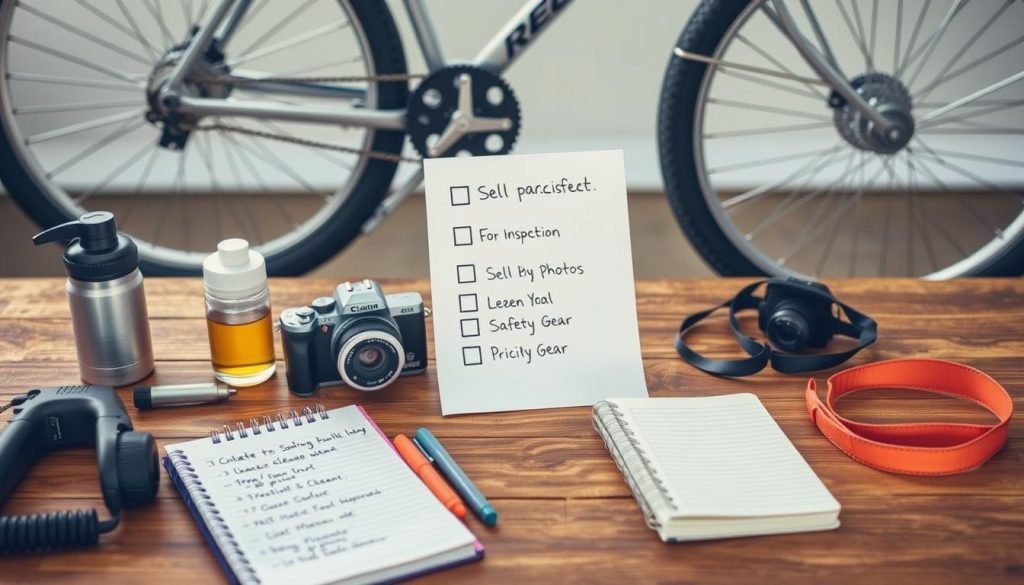
Getting your bike’s paperwork right is crucial. Here’s what you should gather:
- Service records and maintenance history
- Original purchase receipts
- Registration papers
- Proof of ownership
Bike Condition Assessment
Checking your bike’s condition can really help your sale. Here are some things to do:
- Clean and detail the motorcycle thoroughly
- Check and adjust brake, throttle, and clutch play
- Replace worn light bulbs and missing screws
- Inspect tire condition
- Change engine oil
Pro Tip: Detailing your motorcycle can potentially increase its sale value by up to 10%.
| Maintenance Task | Estimated Cost | Impact on Sale |
|---|---|---|
| Clean Air Filters | $15 | Improves Engine Performance |
| Thorough Wash | Free (DIY) | Increases Visual Appeal |
| Minor Repairs | Varies | Boosts Buyer Confidence |
Spending time on preparation can make your bike more appealing. It might even increase its value in the market.
Setting the Right Price
Getting the price right is key when selling your bike privately. The right price can lead to a quick sale or a bike that’s hard to sell. To price your motorcycle well, you need to do your homework and think strategically.
When pricing your bike without a title, several things matter. The bike’s condition, how many miles it has, and how much people want it will all affect the price.
Factors Influencing Bike Pricing
- Motorcycle age and model
- Overall mechanical condition
- Mileage and wear
- Existing modifications
- Market demand for your specific bike
Researching Comparable Sales
To price your bike right, you need to do your research. Use Kelley Blue Book and NADA Guides to get good price estimates.
*Pro Tip: Price your bike slightly higher than your minimum acceptable offer to allow room for negotiation.*
Research gives you the edge when selling your bike without a title:
| Season | Market Demand | Pricing Impact |
|---|---|---|
| Spring/Summer | High | Best selling period |
| Autumn/Winter | Low | Potentially lower prices |
Strategic Pricing Recommendations
- Check online marketplace listings for similar bikes
- Consider seasonal pricing variations
- Be transparent about bike’s condition
- Include maintenance records if available
- Be prepared to negotiate
By looking at these factors, you can set a price that attracts buyers in the private market.
Where to Market Your Bike
To sell bikes legally, you need to market them well across different places. Your aim is to find buyers safely and clearly. This makes the bike selling process smooth.
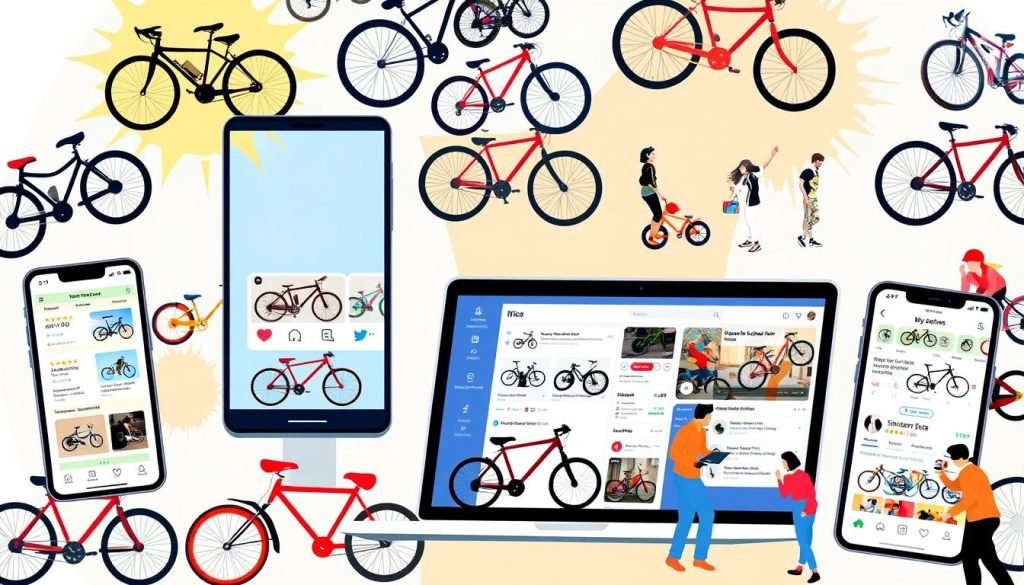
Online Marketplaces
Digital sites are great for selling bikes. Here are some top ones:
- Gumtree: A well-known Australian site with lots of users
- Facebook Marketplace: It’s free and connects you with locals
- eBay: A global site with a 13% fee for used bikes
“Pick platforms that show your bike well and keep you safe,” advises David Thompson, a motorcycle sales expert.
Social Media Platforms
Social media is also a strong tool for selling bikes. Make your listings stand out with good photos and clear descriptions. Pro tip: Emphasize special features like low mileage or recent upgrades to grab buyers’ attention.
When selling bikes, always put safety first. Don’t share your home address. Instead, meet buyers in public places.
Pricing and Visibility Strategies
- Use N.A.D.A website for accurate pricing
- Include detailed bike condition info
- Use clear, well-lit photos
- Be open about the bike’s title status
For successful bike sales, focus on smart marketing, clear talks, and careful buyer checks.
Tips for Attracting Buyers
Selling your bike without a title needs smart marketing to draw in buyers. Your ad is key in grabbing the interest of potential buyers.
Crafting an Effective Ad
Creating a catchy ad is vital when selling your bike without a title. Your ad should be clear and detailed, tackling any concerns upfront.
- Be upfront about the missing title
- Give full motorcycle specs
- Point out recent maintenance and upgrades
- Include total mileage and mechanical state
“A clear, honest description builds trust with potential buyers” – Motorcycle Sales Expert
High-Quality Photographs
Good photos are essential in your How to Sell Your Bike Without a Title plan. Buyers use images to judge a bike’s condition.
- Take photos from different angles
- Capture close-ups of special features
- Show off any mods or recent fixes
- Include maintenance receipts in photos
Pro tip: Clean and detail your bike before photos to look its best.
Use motorcycle forums and selling sites to find buyers who get the issues with private sales and missing titles.
Conducting the Sale Safely
Selling a bike privately needs careful planning. Your safety and financial well-being are key. Before meeting buyers, set clear rules to protect you and make the sale smooth.
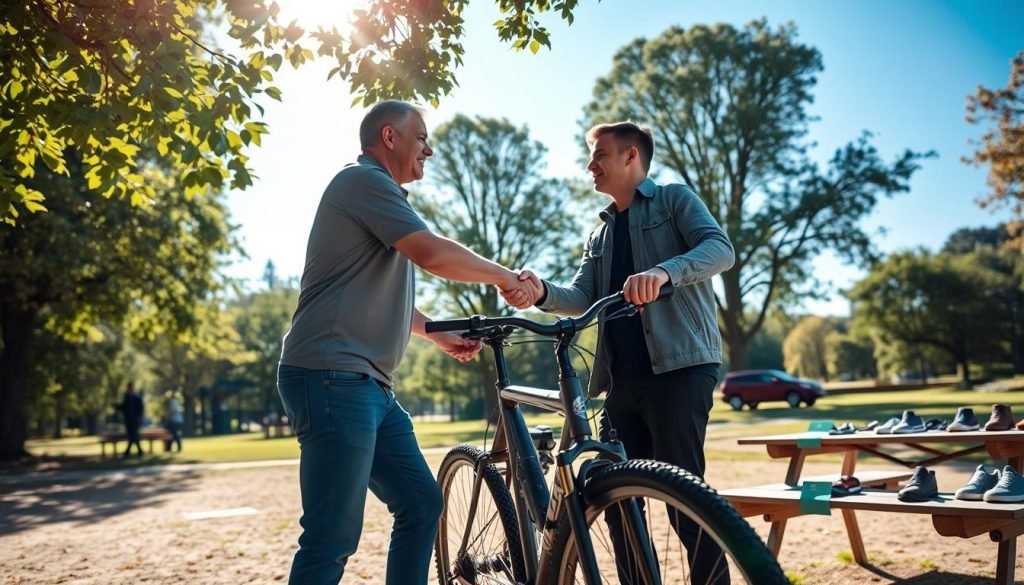
Selecting Safe Meeting Locations
Choose public places for meetings to stay safe. Good spots include:
- Well-lit parking lots
- Police station visitor areas
- Busy shopping centre car parks
- Local community centres
Screening Potential Buyers
Keep safe by screening buyers:
- Ask for their ID
- Use verified ways to talk
- Listen to your gut about buyers
- Have a friend or family member there
Secure Payment Methods
Choose safe ways to pay:
- Bank transfer
- Cashier’s cheque
- Cash with bank verification
- Secure digital payments
*Safety first: Always prioritize personal security over making a quick sale.*
Test Drive Precautions
Before a test drive, take these steps:
- Get a copy of their driver’s license
- Make them sign a test drive form
- Keep the original keys
- Check if they have insurance
By following these tips, you’ll make your bike sale safe and reduce risks.
Final Steps After the Sale
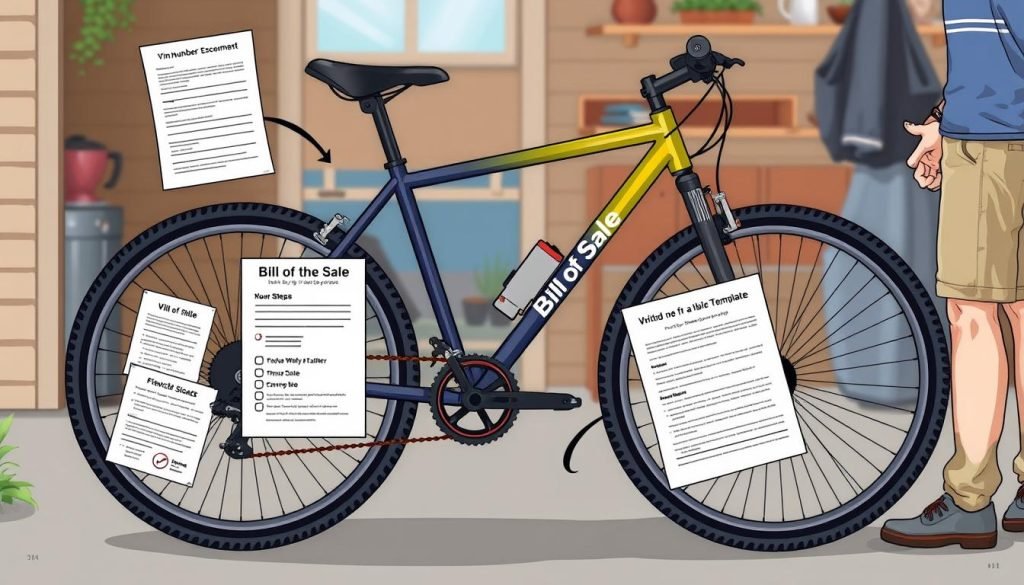
After selling your bike, it’s important to document the transaction. Your bill of sale is a key legal document. It should include the bike’s ID number, sale price, date, and signatures from both sides.
In Queensland, selling unregistered bikes is simpler. But, keeping detailed records is still vital. Make sure to note the bike’s VIN, its make and model, and the sale date. This creates a clear trail of the sale.
About 48% of buyers register their vehicles right after the sale. Help your buyer by giving them all the necessary info. A detailed bill of sale can also help avoid issues during the transfer.
For specific advice on finalising the sale, contact your local transport department. With the right documents and clear communication, the ownership transfer will be smooth. This protects both the seller and buyer.