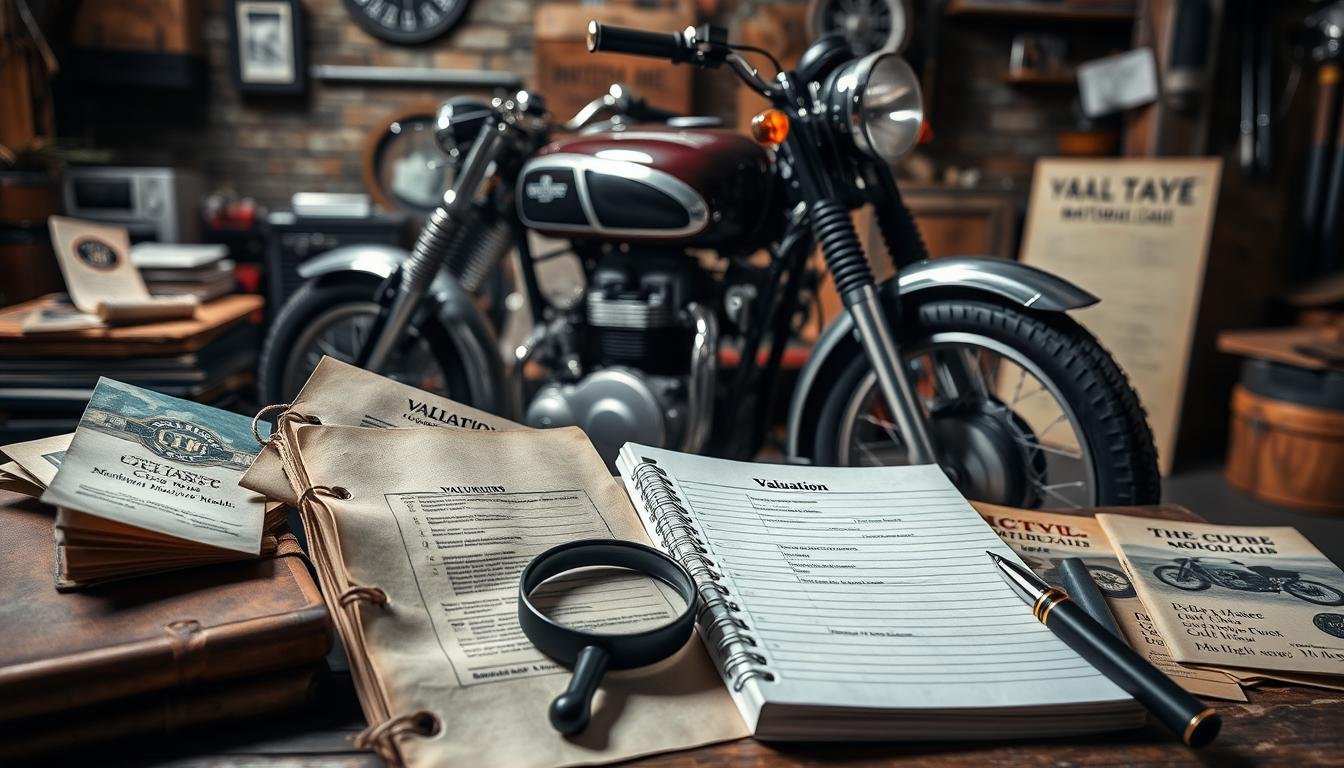
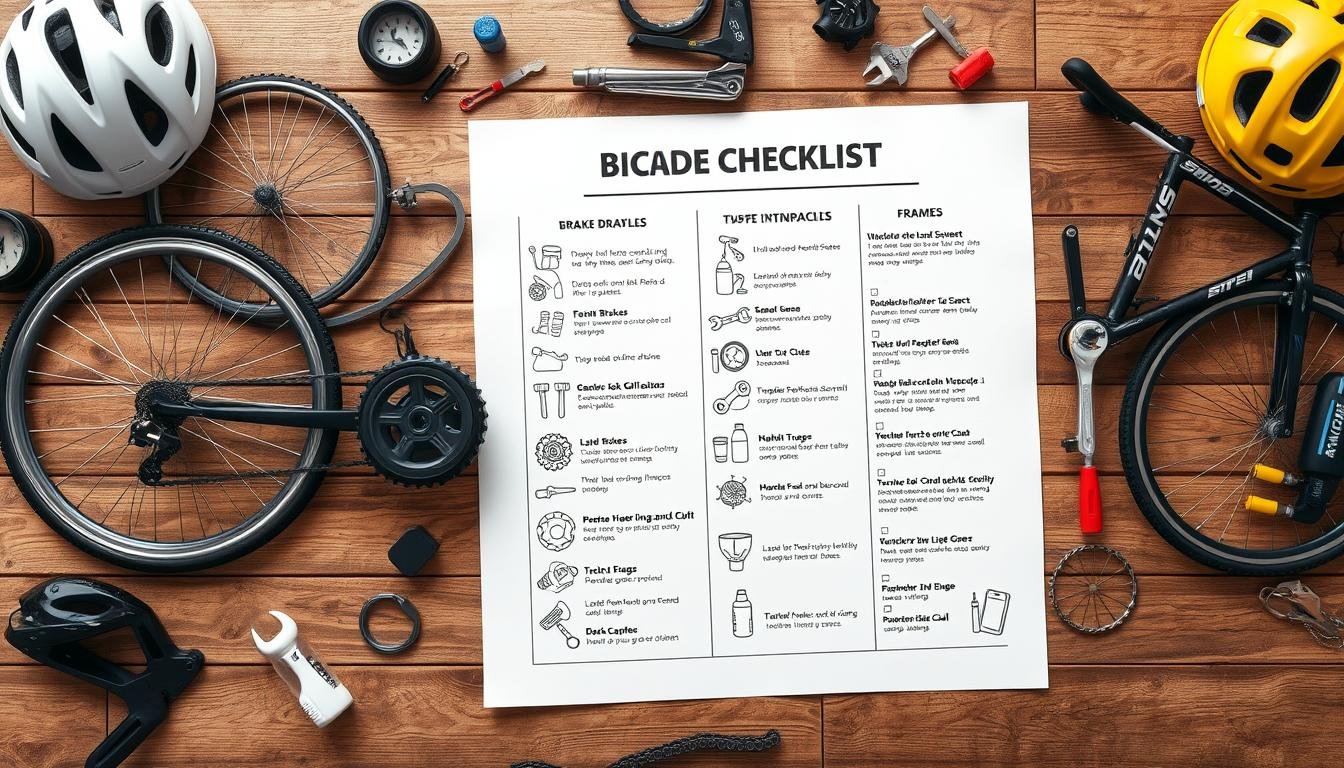
Ever wondered how to sell your damaged bike quickly? It might seem tough, but with the right approach, you can do it easily. Knowing how to value your motorcycle is key.
Preparation is key when selling a wrecked motorcycle. Understanding the market and how to show off your bike can help a lot. It attracts buyers and gets you a good price.
Selling a damaged bike needs honesty, planning, and a clear head. From documenting damage to setting a fair price, every step is important. It’s all part of selling your motorcycle.
Key Takeaways
- Accurate damage documentation is crucial
- Transparency builds buyer trust
- Research market values thoroughly
- Clean and prepare your motorcycle professionally
- Be realistic about pricing
- Choose the right selling platform
- Understand legal requirements
Understand the Market Value of Your Damaged Motorcycle
Finding the right price for your motorcycle needs careful research. This is true for bikes damaged in accidents or written off by insurance. Knowing the value is key to getting a good deal.
Figuring out your bike’s worth involves more than just looking at it. Things like how many miles it’s been driven, its condition, and what’s popular in the market all play a part. These factors can greatly affect how much it’s worth when you sell it.
Research Similar Models and Conditions
Looking at similar bikes helps set a fair price. You should consider:
- Exact make and model
- Year of manufacture
- Existing damage extent
- Potential repair costs
Check Online Marketplaces
Online sites give great insights into what bikes are selling for. Sites like bikesales.com.au have lots of info on different bike conditions.
“Knowledge of market trends is your most powerful negotiation tool.”
Consult Motorcycle Valuation Experts
Experts can give you a fair estimate of your bike’s worth. They know how to handle tricky valuations, like for bikes damaged in accidents.
| Valuation Factor | Impact on Price |
|---|---|
| Mileage | High mileage can reduce value by 10-30% |
| Damage Extent | Significant damage can lower value by 40-60% |
| Maintenance History | Well-documented maintenance can increase value by 15% |
Knowing your bike’s market value helps you negotiate better. It also makes it easier to find serious buyers.
Assess the Damage Honestly
Selling wrecked motorcycles needs honesty and detailed records. When dealing with insurance write-offs or salvage title bikes, your approach is key.
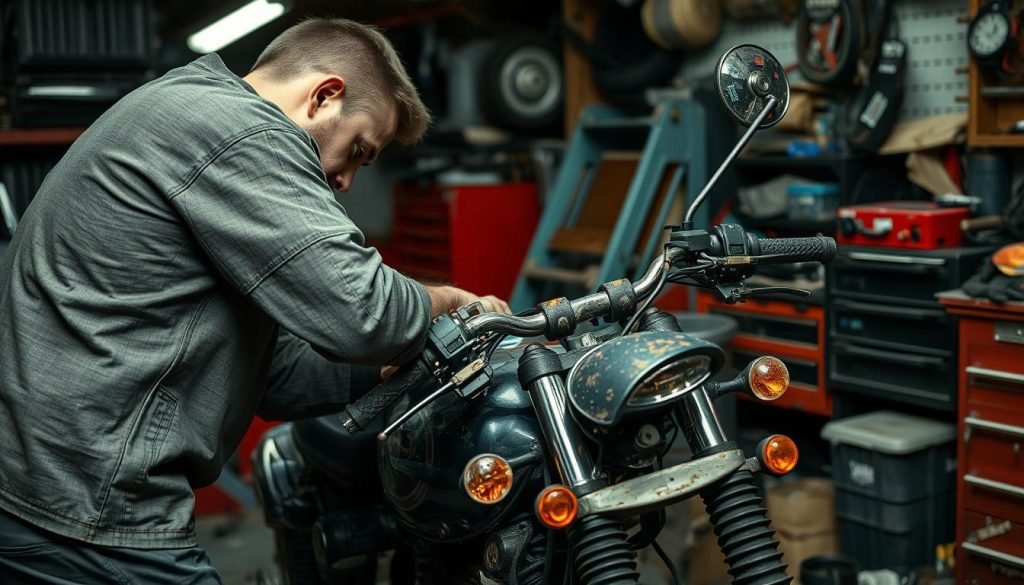
Professional buyers know accidents are common. Your aim is to show the motorcycle’s true condition.
Document All Damage and Repairs Needed
It’s vital to document a damaged motorcycle’s state. Make a detailed report that covers:
- Exact location of all damage
- Estimated repair costs
- Structural integrity assessment
- Mechanical component status
“85% of potential buyers appreciate complete transparency about a motorcycle’s condition.” – Australian Motorcycle Traders Association
Take Clear Photographs
Photos are crucial when selling a damaged motorcycle. High-quality images should show:
- Close-up shots of damaged areas
- Overall motorcycle condition
- Frame and structural damage
- Mechanical component wear
Be Transparent with Potential Buyers
Being honest builds trust in the salvage title market. Share with buyers:
- Complete accident history
- Professional repair estimates
- Maintenance records
- Insurance documentation
| Documentation Type | Importance Rating |
|---|---|
| Accident Report | High |
| Repair Receipts | Critical |
| Insurance Claims | Essential |
| Mechanical Inspection | Recommended |
Remember: Clear communication and detailed records can greatly help sell a damaged motorcycle.
Prepare Your Motorcycle for Sale
Getting your motorcycle ready for sale needs careful attention. Buyers look for bikes that show care and maintenance. Your preparation can really affect the selling price and how fast you sell.
A deep clean can make your motorcycle more appealing and valuable. Here are some key steps to make your bike stand out:
- Thoroughly wash and detail the entire motorcycle
- Polish chrome and metal surfaces
- Clean and condition leather components
- Address minor cosmetic imperfections
Mechanical Preparation Checklist
Restoration projects often start with basic maintenance. Check and address these critical areas:
- Verify all fluids are topped up and clean
- Check and adjust brake and clutch play
- Replace burnt-out bulbs
- Ensure tyre pressure is correct
Maintenance Documentation
Gather all service records and documentation. Comprehensive maintenance history can significantly boost buyer confidence.
| Document Type | Importance |
|---|---|
| Service Records | High – Shows consistent maintenance |
| Repair Invoices | Medium – Demonstrates professional care |
| Modification Logs | Medium – Highlights bike’s unique features |
“A well-prepared motorcycle tells a story of care and dedication” – Australian Motorcycle Enthusiast Magazine
By investing time in preparation, you’ll attract serious buyers. This can help you get a better price for your bike.
Set a Realistic Price
Finding the right price for your damaged motorcycle needs careful thought and research. It’s not just about making a guess. It’s about understanding many factors.
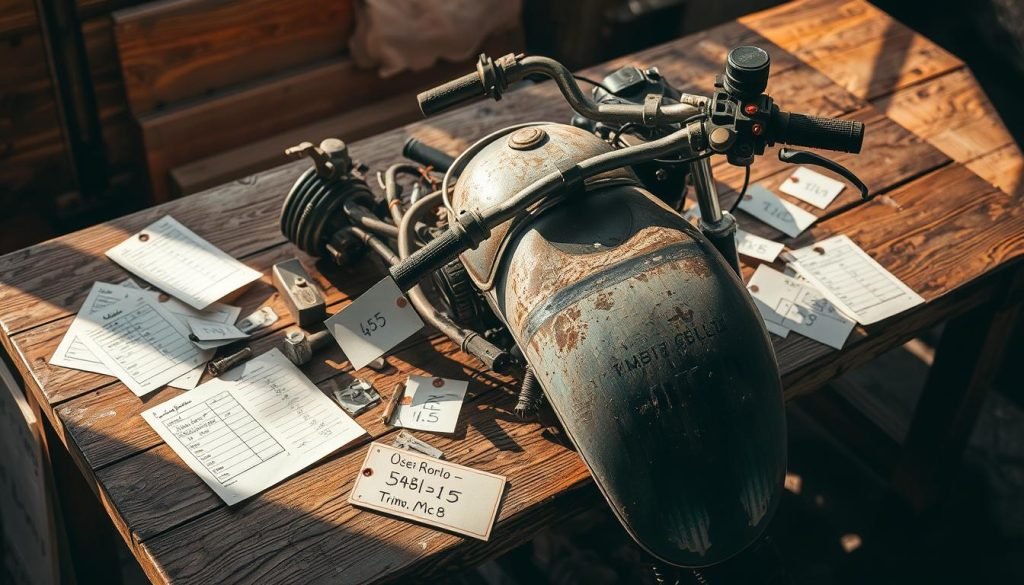
Your pricing strategy affects how fast you sell your motorcycle and the cash offers you get. Knowing the market is key to setting a price that stands out.
Consider the Cost of Repairs
First, figure out the repair costs for your motorcycle. Buyers will think about these costs when making offers. Subtract the repair costs from the motorcycle’s value to set a fair price.
- Get professional repair estimates
- Research parts replacement costs
- Determine the motorcycle’s current market value
Factor in Market Demand
Market demand changes with the seasons and certain motorcycle models. Spring and summer are usually busier times for sales, which can help your price.
“Pricing is an art of understanding both market dynamics and buyer psychology.”
Be Open to Negotiation
Being flexible is key to successful pricing. Start with a price a bit higher than what you’re willing to accept. This lets buyers feel they’re getting a good deal while you keep your profit safe.
- Research similar damaged motorcycles online
- Use pricing guides like Kelley Blue Book
- Be transparent about the motorcycle’s condition
A realistic and well-thought-out price will draw in serious buyers. It makes selling your motorcycle easier.
Create an Effective Listing
When selling wrecked motorcycles online, making a good listing is key. You want to draw in buyers by showing your bike’s real worth. Be honest and detailed in your description.
Write a Descriptive Title
Your title should be clear and tell buyers what they need to know. Include:
- Make and model of the motorcycle
- Year of manufacture
- Condition status (e.g., repairable project bike)
- Mileage
“A great title can increase your listing’s visibility by up to 60% on motorcycle auction websites.”
Highlight Key Features Despite Damage
Don’t let damage scare off buyers. Talk up what’s good about your bike:
- Point out original parts that are still in good shape
- Talk about any recent fixes or upkeep
- Describe any special customizations
- Share the bike’s maintenance history
Use High-Quality Images
Good photos are crucial for selling your motorcycle. Take clear, well-lit shots that:
- Show the damage clearly
- Give a view from different sides
- Highlight any parts that are still good
- Include close-ups of important mechanical parts
By using these tips, you’ll make a listing that grabs the attention of serious buyers. This will help you get the best value for your motorcycle.
Choose the Right Selling Platform
Selling a damaged motorcycle needs careful planning and the right platform. Your choice affects how fast you sell and the price. Each platform has its own benefits for selling motorcycle parts and damaged bikes.

Online Marketplaces: Expanding Your Reach
Online sites like bikesales.com.au offer a wide audience. They connect sellers with buyers across Australia. This boosts your chances of selling your damaged motorcycle.
- Bikesales.com.au
- Facebook Marketplace
- Gumtree
- eBay Motors
Local Dealerships and Auctions
Dealerships focused on parts and restorations can offer quick cash. Auctions are great for buyers looking at project bikes or salvageable parts.
| Platform Type | Pros | Cons |
|---|---|---|
| Dealerships | Quick sale, professional assessment | Lower potential pricing |
| Auctions | Competitive bidding, wider audience | Less predictable sale outcome |
Community Forums and Social Media
Motorcycle enthusiast groups on social media and forums can connect you with buyers. These platforms attract passionate buyers ready to restore bikes.
“One person’s damaged motorcycle is another’s restoration opportunity” – Australian Motorcycle Enthusiast
Look at each platform’s strengths to sell your motorcycle well. Find the best buyer for your damaged bike.
Be Mindful of Legal Requirements
Selling a damaged motorcycle in Australia means dealing with complex laws. Knowing your rights can help avoid problems and make the sale go smoothly.
The Australian Consumer Law (ACL) sets rules for selling vehicles, including motorcycles. It’s important to follow these rules to sell responsibly.
Check Registration and Title Status
Make sure your motorcycle is legally okay before you sell it. If it has a salvage title, you need to be open about its history.
- Confirm current registration details
- Check for outstanding financial encumbrances
- Verify the motorcycle’s complete ownership history
- Ensure no legal restrictions exist on the sale
Provide Safety Certificates
Motorcycles that were insurance write-offs need safety checks. Get the right certificates to show the bike is safe to drive:
- Roadworthy certificate
- Vehicle inspection report
- Damage assessment documentation
Disclose Damage and Accidents
When selling a motorcycle with damage, you must be honest. Being open about the bike’s past can prevent legal issues.
Always provide complete and honest information about your motorcycle’s condition and history.
| Legal Requirement | Action |
|---|---|
| Notice of Disposal | Lodge within 14 days of sale |
| Transfer Documentation | Complete all ownership transfer processes |
| Damage Disclosure | Provide full accident and repair history |
Remember: Proper legal compliance minimizes risks and builds buyer trust during your motorcycle sale.
Negotiate with Potential Buyers
Selling wrecked motorcycles needs smart negotiation skills. When you’re ready to talk about cash offers, being prepared is crucial. This helps you get the best deal for your damaged bike.
Good negotiations start with knowing your motorcycle’s real value. Setting realistic goals is also important. Studies show that sellers who prepare well get better deals.
Be Prepared for Low Offers
Buyers often make lower offers because of your motorcycle’s condition. Stay calm and answer these offers professionally. Here are some tips:
- Know your motorcycle’s market value
- Understand repair costs
- Set a minimum acceptable price
- Be ready to provide damage documentation
Know Your Bottom Line
Having a clear bottom line helps you avoid low offers. Research shows sellers who set firm prices do better in deals.
*”Know your worth, but be willing to compromise”*
Practice Good Communication
Being open and honest builds trust when selling. Share all you know about your motorcycle’s condition. Also, answer questions quickly and fully.
Effective negotiation aims for a deal that works for both sides. This ensures you get a fair price for your wrecked motorcycle.
Arrange Safe Viewing for Buyers
Selling damaged bikes needs careful planning for viewings. Your safety and the buyer’s comfort are key. Creating a secure and professional viewing is crucial.
Select a Neutral Meeting Location
Choosing the right spot is important. Pick places that are safe and visible:
- Well-lit parking lots
- Local police station parking areas
- Busy shopping centre car parks
- Motorcycle dealership forecourts
Ensure Safety During Test Rides
Stay safe during test rides. Take these steps:
- Check the buyer’s motorcycle license
- Ask for insurance proof
- Get a copy of their driver’s license
- Try to be there during the test ride
Have Relevant Documents Ready
Being prepared builds trust with buyers. Have these documents ready:
| Document | Purpose |
|---|---|
| Vehicle Title | Proof of ownership |
| Maintenance Records | Show the bike’s care history |
| Accident Report | Be open about the damage |
| Bill of Sale | Legal sales document |
*Transparency and preparation are key to a successful motorcycle sale*
Follow these tips to create a safe, professional viewing. This will help build trust and sell your motorcycle quickly.
Close the Sale Efficiently
Selling your damaged motorcycle needs careful attention to the final details. A smooth sale involves understanding key steps. These steps protect you and the buyer when negotiating cash offers.
Prepare a Comprehensive Bill of Sale
A detailed bill of sale is key when selling a motorcycle with a salvage title. Your document should include:
- Motorcycle make and model
- Vehicle Identification Number (VIN)
- Sale price
- Date of sale
- Seller and buyer contact information
Understand Payment Options
When negotiating cash offers, think about different payment methods. Cash is the simplest, but cashier’s checks and electronic transfers offer more security.
| Payment Method | Pros | Cons |
|---|---|---|
| Cash | Immediate funds | Safety concerns |
| Cashier’s Check | Guaranteed funds | Potential verification time |
| Electronic Transfer | Secure transaction | Processing fees |
Transfer Title Legally
Transferring a salvage title needs careful documentation. Make sure you:
- Complete title transfer paperwork
- Sign title over to new owner
- Remove motorcycle registration
- Provide maintenance records
Transparency and proper documentation protect both seller and buyer during the motorcycle sale process.
By following these steps, you’ll complete your motorcycle sale efficiently and professionally. This minimizes potential complications with payment and legal transfer.
Follow Up Post-Sale
After selling your motorcycle, your work isn’t done. Reaching out to the buyer can give you insights for future projects. It also helps improve your selling skills. Take a moment to connect and get feedback on the sale.
Send a brief message to the new owner, wishing them joy with the motorcycle. This opens the door for future talks, like if they plan to restore it. You might learn about the bike’s condition or upgrades for future sales.
Sharing your selling story on motorcycle forums or online communities is very helpful. Your experience with a damaged bike can guide others. Sites like motorcycle classifieds are great for sharing tips and advice in the Australian market.
Every motorcycle sale is a chance to learn. Think about what went well and what could be better. Being proactive and open can make you a trusted seller. It might even help you make lasting connections in the motorcycle world.