Are you ready to unlock the secrets of selling bikes that truly captivate Australian cyclists? Understanding the intricate landscape of bike features, specifications, and market demands can transform your selling strategy from ordinary to extraordinary.
The bicycle market is experiencing a dynamic transformation. Buyers are now more sophisticated in their purchasing decisions. Bike prices and brand reputation are key in attracting potential purchasers.
Whether you’re selling a sleek road bike or a robust mountain model, knowing what cyclists want can make all the difference. Modern buyers aren’t just looking for transportation; they’re seeking a cycling experience.
They scrutinise bike specifications with remarkable attention to detail, from frame geometry to component quality. Understanding these preferences is your key to successful sales.
Key Takeaways
- Understand the nuanced preferences of Australian cyclists
- Focus on transparent bike specifications and features
- Recognise the importance of brand reputation
- Be prepared to explain unique bike characteristics
- Price competitively based on market trends
Understanding the Bike Market Trends
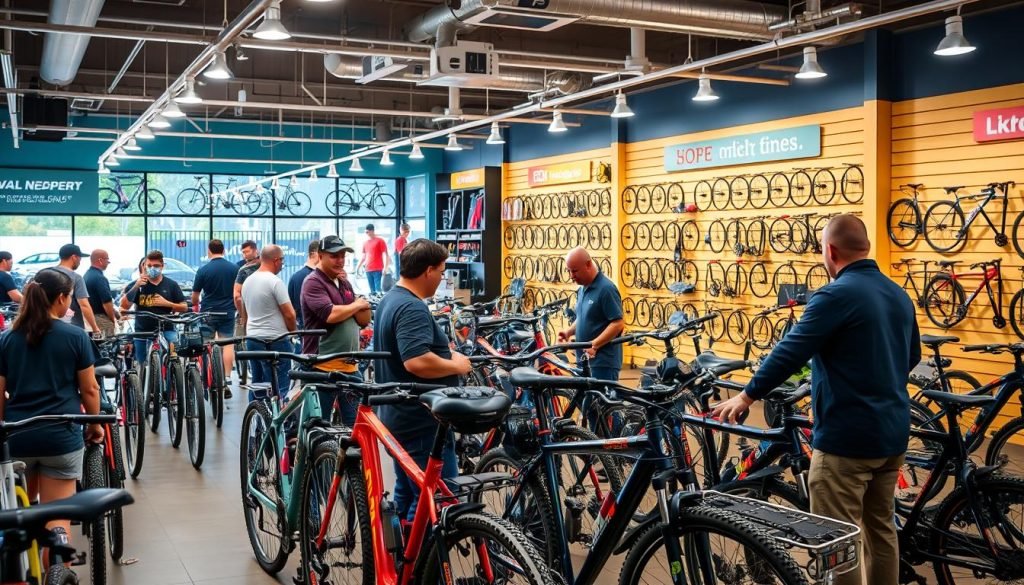
The cycling scene in Australia is changing fast. More people are getting into cycling, whether they’re serious riders or just enjoy a casual ride. Online shops have become key places to buy bikes. They offer a wide range of bikes and good prices.
Growing Popularity of Cycling
Cycling is more than a sport in Australia. It’s a way of life for many. The market is growing, with people looking for different types of bikes. They want:
- Mountain bikes for adventurous rides
- Road bikes for long trips
- Hybrid bikes for easy commuting
- E-bikes with the latest tech
Environmental Considerations
More people are choosing bikes for the environment. They see cycling as a way to cut down on carbon emissions. They also value bike safety and easy maintenance.
“Cycling isn’t just transportation – it’s a commitment to environmental responsibility”
Off-Road Vs. On-Road Preferences
The bike market in Australia shows interesting trends. While road bikes are still popular, there’s a big interest in bikes for off-road adventures. Gravel and cyclocross bikes are gaining fans for their ability to handle different terrains.
- Off-road bikes: 40% market growth
- On-road bikes: Steady demand
- Gravel bikes: Rapidly emerging segment
Knowing these trends helps both buyers and sellers in the bike world. It ensures they make smart choices about which bike to buy and invest in.
Identifying Your Target Buyers
To find your bike customers, you need a smart plan. Cyclists have different needs and wants. Knowing these helps sell bikes to the right people.
Recreational Riders
Recreational riders want bikes that are comfy and versatile. They look for:
- Comfortable seating positions
- Smooth ride quality
- Moderate bike prices
- Adaptable to various terrains
Commuters
Urban cyclists need bikes that are practical for daily rides. They look for:
- Durability for consistent use
- Low maintenance requirements
- Practical accessories
- Efficient urban performance
| Rider Type | Key Preferences | Average Budget Range |
|---|---|---|
| Recreational Riders | Comfort, Versatility | $500 – $1,500 |
| Commuters | Practicality, Efficiency | $800 – $2,000 |
| Competitive Cyclists | Performance, Advanced Technology | $2,000 – $5,000+ |
Competitive Cyclists
Professional cyclists need bikes that perform well. They look for bikes with the latest tech and engineering.
The right bike isn’t just transportation—it’s a performance instrument designed for specific rider needs.
Key Features Buyers Prioritise
When looking for a new bike, knowing what matters can change your ride. Bike performance and safety are top priorities for Aussie riders. They want the best two-wheeled friend.
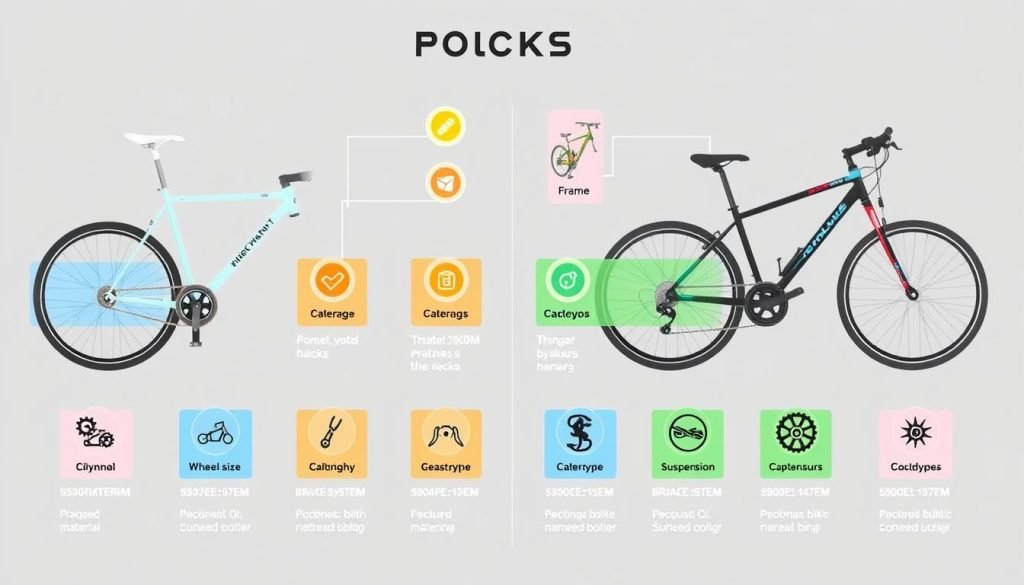
Today’s bike shoppers are well-informed. They look closely at technical details before buying. About 59% of new bike owners focus on key parts like frames, gears, and brakes.
Frame Material and Design
The frame is a bike’s core. Different materials cater to various riding needs:
- Aluminum: Light and resistant to rust, great for those watching their budget
- Carbon: High-end, strong yet light
- Steel: Classic, durable, and absorbs bumps well
Gear Systems
The gear system greatly affects how your bike performs and feels. Brands like Shimano and SRAM lead the market with reliable gear sets:
| Groupset Level | Performance | Price Range |
|---|---|---|
| Entry Level | Basic functionality | $300-$800 |
| Mid-Range | Smooth shifting | $800-$1500 |
| Professional | Precision engineering | $1500-$3000 |
Braking Technology
Braking systems are crucial for safety. Disc brakes are now the norm. They provide better stopping power and reliability on all terrains.
Your bike is more than transportation—it’s an extension of your personal performance and style.
The Importance of Sizing and Fit
Choosing the right bike is more than just picking a stylish model. Bike specifications play a crucial role in ensuring comfort, performance, and enjoyment during your cycling adventures. Getting the perfect fit can transform your riding experience from uncomfortable to extraordinary.
Finding the ideal bike size involves understanding several key measurements and considerations. Your body’s unique dimensions will determine the most suitable bike for your cycling needs.
How to Measure Proper Bike Fit
Measuring your bike fit requires attention to specific details. Here are the essential steps:
- Measure your leg inseam accurately
- Use specialized sizing calculators
- Consider your riding style and posture
“The right bike fit is the difference between an enjoyable ride and a painful experience.”
Understanding Different Bike Geometries
Bike performance varies significantly across different geometries. Each bike type offers unique characteristics tailored to specific riding styles.
| Bike Type | Frame Size (cm) | Sizing Formula |
|---|---|---|
| City Bikes | 45 – 67 | Leg inseam * 0.68 |
| Road Bikes | 45 – 67 | Leg inseam * 0.7 |
| Mountain Bikes | 32 – 59 | Leg inseam * 0.68 |
Customisation Options for Enhanced Comfort
Modern bike accessories offer numerous customisation possibilities. From adjustable seat posts to personalised handlebar configurations, you can fine-tune your bike to match your exact preferences.
- Adjustable stem lengths
- Interchangeable saddles
- Customisable handlebar positions
Remember, investing time in finding the right bike fit will significantly improve your cycling experience and prevent potential discomfort or injury.
The Role of Price in Selling Bikes
Understanding bike prices is key to selling your bike fast. Knowing how to price it can mean the difference between a quick sale and a bike that doesn’t sell.
When pricing your bike, you need to think about more than just the cost. The brand and features of the bike are also important in setting its value.
Setting Competitive Prices
Here are the main things to consider when setting your bike’s price:
- Original purchase price
- Current market demand
- Bike’s overall condition
- Specific bike features
“A well-priced bike sells faster than an overpriced one.”
Understanding Buyer Budgets
Cyclists have different budgets. Recreational riders might spend $500-$1,000. Competitive cyclists could spend $2,000-$5,000 on top brands.
Discounting Strategies
Discounts can draw in buyers, more so in off-peak seasons. For example, November is when big names like Trek, Giant, and Specialized offer big discounts during Black Friday.
- Consider selling older model bikes at reduced prices
- Offer seasonal discounts
- Highlight unique bike features to justify pricing
Remember, well-maintained bikes can sell for up to 10% more. Spend time on presentation and upkeep to boost your bike’s value.
Marketing Techniques for Bike Sales
Selling bikes needs smart marketing that’s more than just the usual stuff. The world of cycling is always changing. Your marketing must grab the interest of potential buyers in many ways.
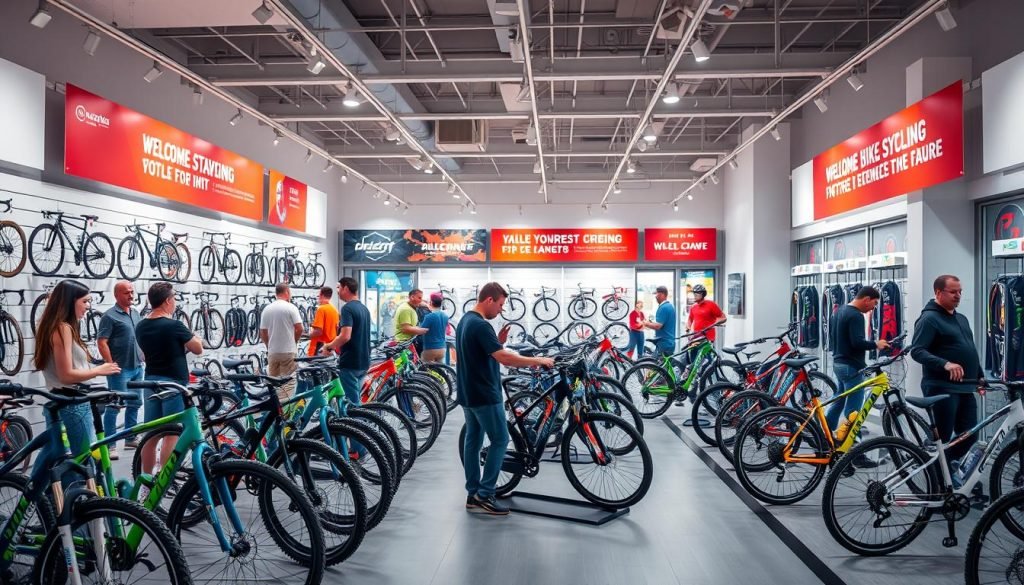
Good bike shops know marketing is about making connections and building a community. With the right methods, you can change how you sell bikes. This will draw in more excited cyclists.
Leveraging Social Media
Social media is a strong tool for bike brands to show off their gear and find cycling fans. Here are some tips:
- Make interesting content about bike reviews
- Post photos and stories from local cyclists
- Advertise to specific groups of cyclists
“91% of consumers like personalized advice, making social media great for bike marketing.”
Hosting Local Events and Demos
Local events can really help your bike sales and connect with the community. Studies show 67% of people like joining group rides and workshops.
- Set up group test rides
- Run bike maintenance workshops
- Plan events to explore cycling routes
Collaborations with Local Businesses
Working with local businesses can grow your reach and trust. Bike shops teaming up with local partners see a 30% jump in customers.
| Collaboration Type | Potential Benefits |
|---|---|
| Local Fitness Centers | More promotion and shared customers |
| Outdoor Adventure Stores | Better visibility for your brand |
| Cycling Clubs | Direct access to keen cyclists |
Using these marketing strategies will help you make a strong plan for selling bikes. It will also help you build a loyal customer base.
Effective Presentation of Bikes
Selling bikes is more than just listing them online. Your presentation can make or break a sale. It’s all about visual appeal and detailed info in the competitive Australian cycling market.
High-quality photos are key to showing off bike features. Buyers want to see every detail before buying. Research shows bikes with 8+ professional photos sell twice as fast as those with few images.
Importance of Cleanliness and Presentation
A clean bike shows it’s well-maintained. Before listing, make sure your bike is spotless and polished. Focus on these key areas:
- Thoroughly clean the frame
- Polish chrome and metallic parts
- Lubricate moving parts
- Remove any visible scratches or marks
Photography Techniques for Online Sales
Good bike photos need strategy. Use natural light and different angles to show off unique features. Create a story with your photos that tells the bike’s tale.
| Photography Angle | Purpose |
|---|---|
| Side Profile | Show overall bike geometry |
| Close-up of Components | Highlight bike accessories and technical details |
| Action Shot | Demonstrate bike performance |
Showcasing Features and Benefits
Turn technical specs into engaging stories. Explain how each bike feature solves a specific rider’s need. Buyers are more likely to engage when they see the practical benefits of your bike.
“The right presentation can turn a simple bike listing into an irresistible opportunity for potential buyers.”
Creating Trust Through Transparency
Selling a bike is more than listing specs. Building trust with buyers is key in the cycling market. Transparency is your strongest tool in showing your bike.
Clear Communication on Bike Condition
Honesty about your bike’s condition is essential. Buyers value detailed info on wear and maintenance. Transparency is the first step in bike safety.
- Describe any scratches or minor damages
- Share maintenance records
- Be upfront about component wear
Providing Detailed Specifications
Detailed bike reviews stress the need for specs. Buyers want to know what they’re buying.
| Specification Category | Details to Include |
|---|---|
| Frame | Material, size, geometry |
| Components | Groupset, wheels, drivetrain |
| Condition | Wear level, recent servicing |
Offering Provenance for Used Bikes
Provenance is crucial for used bikes. It shows care and value. The Pro’s Closet suggests documenting your bike’s history to build trust.
“A well-documented bike tells a story of care and value” – Cycling Experts
Use digital platforms, share clear photos, and be open about your bike’s history. This builds trust and makes selling easier.
The Power of Customer Reviews
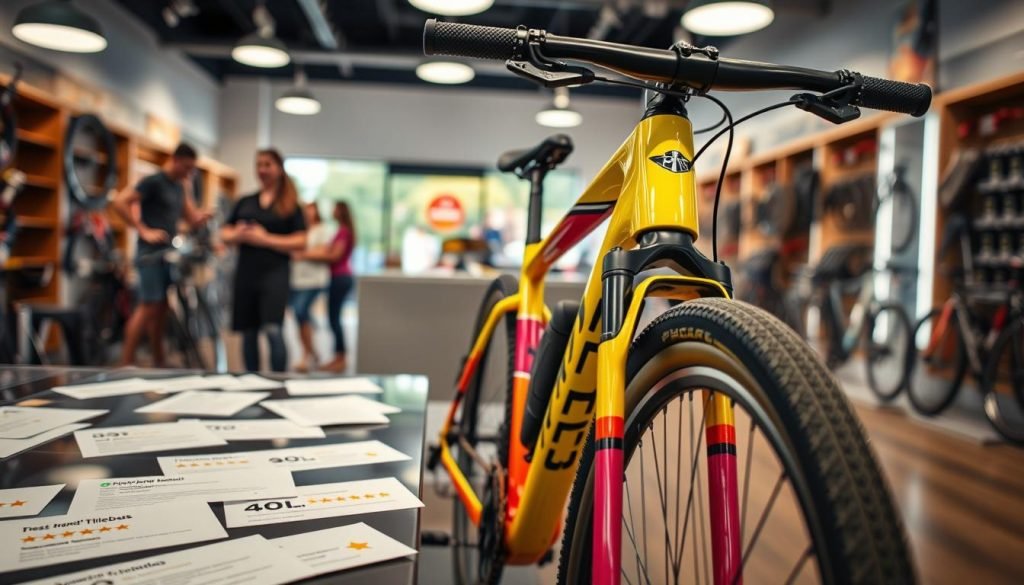
Customer reviews are key to selling bikes. In the bike world, real feedback can make or break your image. People look at what others say before buying.
Encouraging Honest Customer Feedback
To build trust, make customers feel free to share. Here are ways to get real reviews:
- Send personalised follow-up emails after purchase
- Offer small incentives for detailed reviews
- Make the review process quick and straightforward
- Respond to all feedback promptly and professionally
Utilizing Testimonials in Your Marketing
Turn good feedback into marketing gold. Authentic testimonials show you’re credible.
“A great review is worth more than any advertisement” – Local Sydney Bike Retailer
Highlight reviews that talk about bike performance and service. Studies show 75% trust what others say more than ads.
Managing Negative Feedback Professionally
Negative reviews are chances to get better. When dealing with criticism:
- Respond quickly and empathetically
- Take responsibility for any shortcomings
- Offer solutions or compensation
- Demonstrate your commitment to customer satisfaction
Being open and always improving makes you a reliable bike shop. It shows you care about your customers.
Building Relationships with Buyers
Creating strong connections with bike buyers is more than just a sale. Your customer service can turn a single sale into a long-term relationship. This relationship can lead to more business and word-of-mouth recommendations.
Importance of Excellent Customer Service
Exceptional customer service is key to success in bike sales. Local bike shops know that trust is built by more than just selling products. They focus on:
- Providing expert bike maintenance advice
- Offering personalized bike safety recommendations
- Creating a welcoming and knowledgeable environment
Following Up After the Sale
Your connection with customers shouldn’t end when they leave. Start a follow-up process that shows you care:
- Send a welcome email with bike maintenance tips
- Check in after their first ride
- Offer complimentary bike safety inspections
“The best marketing is not about selling, but about building relationships.” – Local Bike Shop Owner
Creating Loyalty Programs
Reward your customers for their loyalty. Develop programs that encourage repeat purchases and referrals. Consider offering:
- Discounts on future bike accessories
- Free maintenance check-ups
- Exclusive group ride invitations
By focusing on building relationships, you’ll gain a loyal customer base. They’ll see you as a trusted cycling partner, not just a seller.
Navigating the Legalities of Selling Bikes
Selling bikes in Australia is complex. You need to know the laws to protect both sides. It’s about understanding the rules that guide bike sales.
When you sell bikes, you face several legal hurdles. The Australian Consumer Law is key. It makes sure buyers are treated fairly by sellers.
Understanding Consumer Rights in Australia
Australia’s laws protect consumers well. Sellers must meet quality and safety standards. This ensures buyers get good products.
- Guarantee of acceptable quality
- Right to replacement or refund
- Protection against misrepresentation
Warranty and Return Policies
Clear warranty terms are vital. They build trust with customers. Your policy should cover:
- Duration of warranty coverage
- Specific bike specifications covered
- Conditions for warranty claims
Ensuring Compliance with Safety Regulations
Bike safety is crucial. Sellers must check bikes meet Australian Standards. This includes:
| Safety Aspect | Requirement |
|---|---|
| Frame Integrity | Must pass structural testing |
| Brake Performance | Meets minimum stopping distance standards |
| Component Quality | Verified manufacturing standards |
“Knowledge of legal requirements protects both seller and buyer in bicycle transactions.” – Australian Consumer Commission
Knowing the laws helps you sell bikes safely. It makes your sales trustworthy and fair for everyone.
Staying Updated with Cycling Innovations
The world of cycling is always changing. It’s key for bike lovers and pros to keep up with new trends. The COVID-19 pandemic has made the cycling world even more exciting, with big demand and new ideas from bike brands.
Trade shows and cycling expos are great for seeing new bike gear and tech. Brands like Trek have quickly sold out their 2020 models. These events let you learn about new products, trends, and tech that can change how we see cycling.
Learning never stops in this fast-paced world. Read cycling news, join online forums, and talk with cycling pros. This way, you’ll know about the latest bike tech, what people want, and stay on top of trends. Keeping up with education helps you connect with buyers and make smart choices about bikes and accessories.
Following Industry News
Sign up for cycling magazines, check out top cycling websites, and join pro networks. This way, you’ll get updates on new tech and market changes in cycling.
Attending Trade Shows and Expos
Go to local and global cycling events. You’ll meet industry folks, find new bike gear, and see the latest cycling innovations up close.
Engaging in Continuous Learning
Take online courses, workshops, and technical training. This will help you understand bike performance, how to fix bikes, and new cycling tech better.