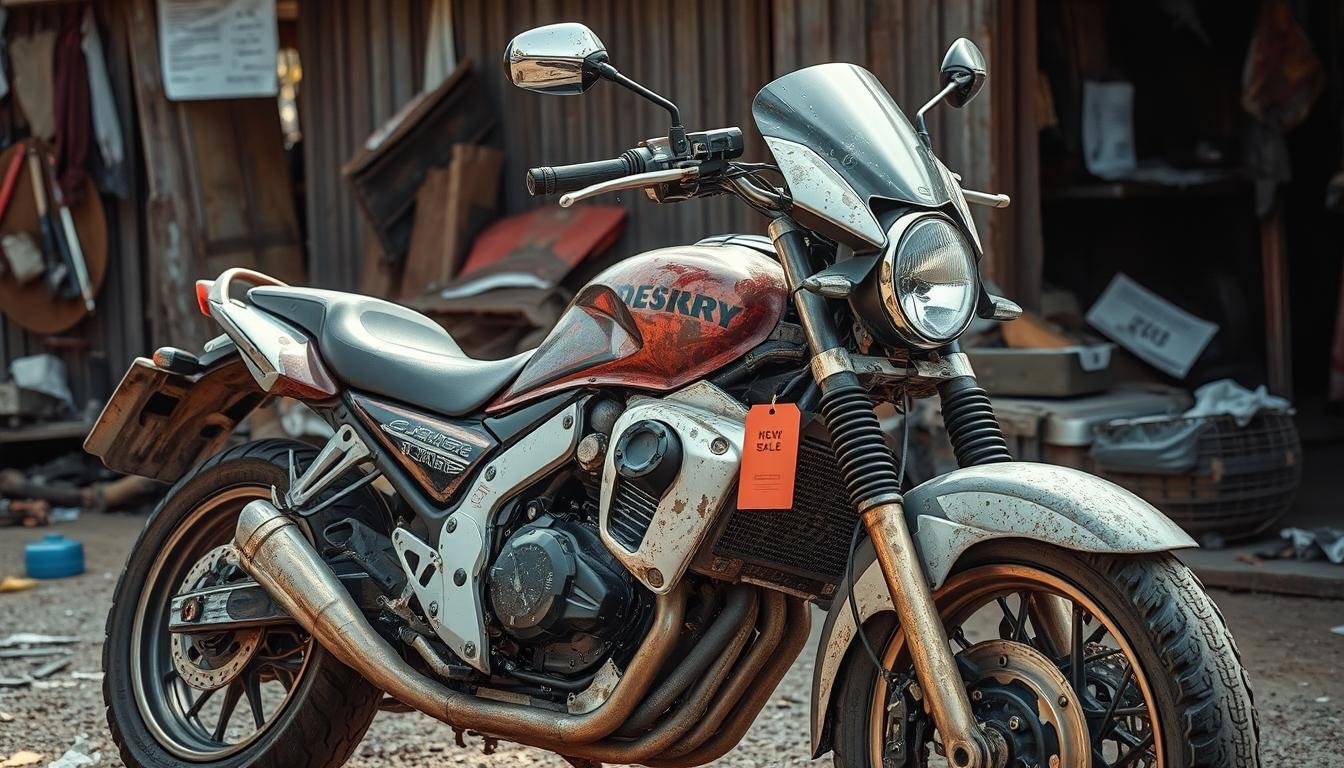
Ever thought about selling a motorcycle with mechanical problems? It’s not just about finding a buyer. You also need to know about Australian consumer protection laws.
When selling your bike, it’s important to be upfront about its condition. The Australian Consumer Law has rules for vehicle sales. Sellers must tell buyers about any mechanical issues that could affect the bike’s performance or value.
Motorcycle defect laws protect buyers from surprises. You must honestly describe your motorcycle’s condition. This can help you avoid legal trouble and build trust with buyers.
Key Takeaways
- Transparency is crucial when selling a motorcycle with mechanical issues
- Australian Consumer Law requires full disclosure of vehicle defects
- Being honest can prevent potential legal disputes
- Mechanical issues can impact your motorcycle’s sale price
- Some defects might require professional repair before selling
Understanding Motorcycle Mechanical Issues
Motorcycle mechanical issues can really affect how well your bike runs and its value. Spotting these problems early lets you decide wisely about fixing or selling it. Knowing about motorcycle inspection needs and repair costs is key for bike owners.
Motorcycles face many mechanical problems that can harm their performance and worth. Spotting these issues needs careful watching and knowing common signs.
Types of Mechanical Issues
- Engine performance problems
- Transmission system failures
- Electrical system malfunctions
- Suspension and brake system defects
- Fuel system complications
Common Symptoms to Identify
Spotting mechanical issues early can save you a lot on repair costs. Look out for these signs:
- Unusual engine noises or vibrations
- Reduced power or acceleration
- Fluid leaks underneath the motorcycle
- Difficulty shifting gears
- Warning lights on the dashboard
“Prevention is always cheaper than cure when it comes to motorcycle maintenance.”
Professional motorcycle inspections usually include detailed diagnostics to find mechanical problems. Experts suggest regular checks to stop small issues from becoming big, expensive repairs.
| Issue Type | Potential Repair Cost | Complexity |
|---|---|---|
| Engine Diagnostics | $150 – $500 | Medium |
| Transmission Repair | $500 – $1,500 | High |
| Electrical System | $200 – $800 | Low to Medium |
Knowing about these mechanical details helps you make smart choices about your motorcycle’s upkeep and sale.
Assessing the Value of Your Motorcycle
Selling used motorcycles needs a smart plan to figure out your bike’s real value. Knowing what affects the resale value helps set a good price.
Many things influence your motorcycle’s worth, like mechanical problems. The bike’s condition, how many miles it has, its maintenance history, and repair costs are all important.
Critical Factors Affecting Motorcycle Value
- Mileage: Bikes with over 40,000 miles typically see significant value reduction
- Maintenance records demonstrating regular servicing
- Physical condition and aesthetic appearance
- Availability of original manufacturer parts
- Performance of critical mechanical components
Estimating Your Motorcycle’s Worth
To get a good idea of your motorcycle’s value, follow these steps:
- Look at current prices for similar bikes
- Work out repair costs
- Think about age, mileage, and condition
- Use online tools for a first guess
- Get a professional appraisal for a precise figure
*Expert Tip: A well-maintained motorcycle can retain up to 70% of its original value with proper care*
When selling used motorcycles, being open about the bike’s mechanical state is crucial. Buyers like to know about the bike’s history, service records, and any problems.
Remember, dealerships often lower prices to cover repairs and updates. This can cut the resale value by 10% to 50%.
Legal Considerations When Selling
When selling a motorcycle in Australia, you need to know about disclosure laws and penalties. It’s important to understand the laws to sell your bike responsibly and avoid legal trouble.
The Australian Consumer Law (ACL) sets rules for selling motorcycles with problems. As a seller, you must tell the truth about your bike’s condition. This protects you and the buyer.
Disclosure Requirements in Australia
When selling a motorcycle, you must tell about any known defects. The ACL says you must give accurate info about the bike’s condition, including any mechanical issues.
- Disclose all known mechanical problems
- Provide accurate documentation of the motorcycle’s condition
- Be transparent about repair history
- Avoid misrepresenting the motorcycle’s state
Penalties for Non-Disclosure
If you don’t tell about known defects, you could face big legal problems. Buyers might get help from consumer laws.
| Disclosure Violation | Potential Consequences |
|---|---|
| Minor Misrepresentation | Potential Refund or Repair |
| Serious Non-Disclosure | Legal Action and Financial Penalties |
| Intentional Fraud | Substantial Fines and Potential Prosecution |
“Transparency is not just ethical—it’s a legal requirement in motorcycle sales.” – Australian Consumer Protection Guidelines
To protect yourself, keep records of any issues and maintenance. Always be honest about your bike’s condition. This way, you follow the laws and gain trust from potential buyers.
Repairing vs. Selling As-Is
When your motorcycle has mechanical problems, you must decide: fix it or sell it as is. Knowing the good and bad of each choice can guide you in selling bikes with faults.
Repair costs are a big factor in your selling plan. Some problems are easy and cheap to fix. But others might cost a lot.
Pros of Selling with Existing Issues
- Faster sale process
- No upfront repair expenses
- Potential buyers might be DIY enthusiasts
- Transparent pricing reflects current condition
Cons of Selling with Existing Issues
- Lower sale price
- Limited buyer pool
- Potential negotiation challenges
- Risk of reduced interest
Your choice depends on the problem’s severity and repair costs. Small fixes can make a big difference without spending a lot.
*Getting a professional assessment can help you determine the most cost-effective approach to selling your motorcycle.*
When to Consider Repairs
| Issue Type | Repair Recommendation | Potential Value Increase |
|---|---|---|
| Minor electrical issues | Highly recommended | 20-30% |
| Fluid system problems | Recommended | 15-25% |
| Major engine complications | Evaluate cost-benefit | 10-15% |
Being honest about your bike’s condition is key. Buyers like to know about any problems. This can help build trust and make selling easier.
Marketing Your Motorcycle
Selling used motorcycles needs a smart plan. It’s about being honest, open, and presenting well. Your listing’s quality can make or break the sale. So, it’s key to write a detailed and honest description.
Showing your bike’s true condition is vital. Buyers like sellers who are upfront about the bike’s past and current state.
Crafting an Honest Listing
Creating a good motorcycle listing involves a few important steps:
- Take high-quality, well-lit photos from multiple angles
- Provide detailed maintenance history
- Highlight recent repairs or upgrades
- Be transparent about any mechanical issues
Highlighting the Positive Aspects
While being honest, focus on your bike’s best points. Show off its unique features and recent upgrades that make it valuable:
| Feature | Value Impact |
|---|---|
| Saddlebags | Increases practical appeal |
| Recent tune-up | Demonstrates good maintenance |
| New tires | Signals immediate rideable condition |
“A clear, honest description attracts serious buyers faster than a vague or misleading listing.”
Preparing your motorcycle well can really help your selling price. A clean, well-maintained bike with full documentation will draw more buyers.
Finding the Right Buyers
Selling a motorcycle with mechanical issues needs a smart plan and good marketing. Since about 30-40% of buyers look online, your strategy is key to success.
Understanding what buyers want and using the right places to sell is crucial. You want to find people who see the bike’s potential and are ready to fix it up.
Targeting DIY Enthusiasts
DIY motorcycle fans are a great match for bikes needing work. They usually:
- Love fixing things
- Know a lot about bikes
- Look for good deals
- See the value in project bikes
Leveraging Online Marketplaces
Online sites offer great protection for buyers and make your bike easy to find. Here are some top places in Australia:
| Platform | Listing Cost | Buyer Reach |
|---|---|---|
| Bikesales.com.au | Free for bikes under $3000 | High motorcycle enthusiast traffic |
| Gumtree | Free basic listing | Broad general audience |
| Facebook Marketplace | No cost | Extensive local network |
“Your motorcycle’s perceived value depends on how you present its potential, not just its current condition.”
Be honest about any mechanical problems in your listing. About 80-90% of buyers like to see maintenance records. Show the bike’s potential, include clear photos, and set a fair price to draw in DIY enthusiasts.
Negotiating the Sale
Selling used motorcycles needs smart pricing and good negotiation skills. Knowing your bike’s resale value and being ready for buyer talks are key to success.
Setting the right price is vital to draw in serious buyers. Research shows starting a bit higher lets you negotiate while still getting a fair price.
Setting a Realistic Price
To find your motorcycle’s market value, look at these factors:
- Current market conditions
- Motorcycle’s overall condition
- Mileage
- Maintenance history
- Recent upgrades or modifications
Use Kelley Blue Book and NADA Guides for pricing estimates. These tools give you market insights for your bike’s make, model, and year.
Handling Buyer Objections
“Transparency builds trust in motorcycle resale value” – Australian Motorcycle Traders Association
Get ready for buyer worries by:
- Organizing complete service records
- Being honest about mechanical issues
- Providing detailed motorcycle history
- Offering professional inspection documentation
| Negotiation Strategy | Potential Outcome |
|---|---|
| Flexible pricing | Faster sale |
| Comprehensive documentation | Higher buyer confidence |
| Professional presentation | Better negotiating position |
Patience and professionalism are your top tools in motorcycle sales. Stay calm, be ready, and aim for a win-win deal for both you and the buyer.
Completing the Sale
Selling your motorcycle needs careful steps for a smooth and legal deal. Knowing about motorcycle buyer protection and defect laws helps you sell with confidence.
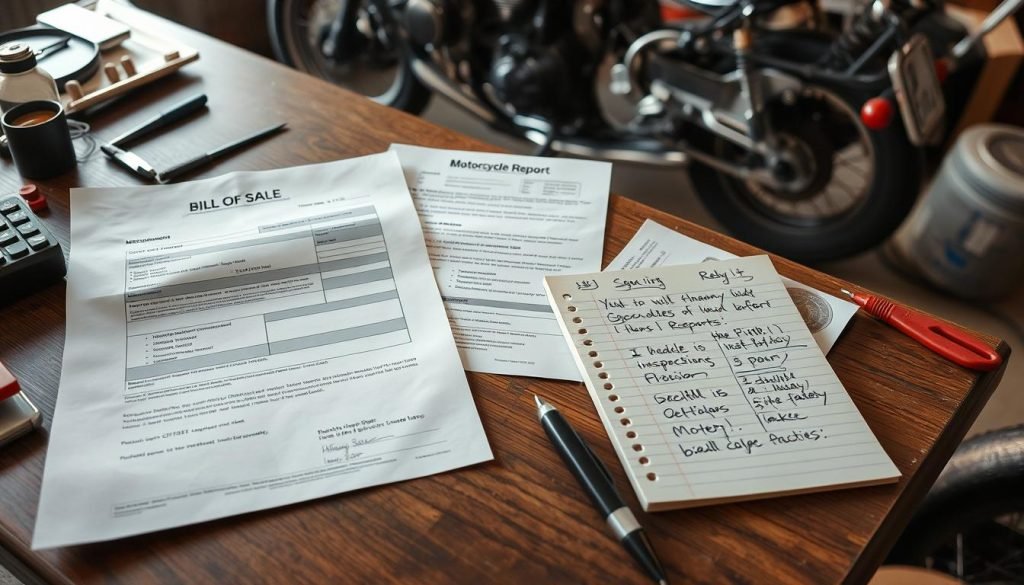
Getting ready for the final sale means paying attention to details and paperwork. You aim to protect yourself and the buyer with clear talks and complete documents.
Essential Paperwork for Your Motorcycle Sale
Before you sell, collect these important papers:
- Motorcycle title certificate
- Completed bill of sale
- Detailed maintenance records
- Personal Property Securities Register (PPSR) check
Ownership Transfer Process
Transferring motorcycle ownership in Australia needs specific steps for legal compliance. Each state has its own rules, but they’re mostly similar.
| State | Transfer Requirements | Typical Processing Time |
|---|---|---|
| Western Australia | Complete Transfer of Ownership form | 3-5 business days |
| New South Wales | Register transfer at Service NSW | 2-4 business days |
| Queensland | Submit transfer via Queensland Transport | 1-3 business days |
Final Sale Recommendations
When you’re selling your motorcycle, keep these tips in mind:
- Be honest about any mechanical problems
- Do a PPSR check to make sure there are no outstanding debts
- Make a detailed sale agreement
- Cancel your motorcycle’s registration
“Transparency builds trust in any vehicle sale” – Australian Consumer Law Principle
By following these tips, you’ll protect yourself legally and make a good sale. This respects the laws on motorcycle defects and buyer protection.
Post-Sale Considerations
When selling a motorcycle with mechanical issues, knowing your legal duties is key. The Australian Consumer Law protects both buyers and sellers. It sets clear expectations after a sale.
Be open and honest about any faults in the motorcycle. You must be ready to handle any post-sale issues professionally. Keep all sale documents, including details about the motorcycle’s condition and any known mechanical problems.
How to Handle Unresolved Issues
If the buyer finds problems after buying, stay calm and professional. Check your sale agreement and be open to finding solutions. The Australian Consumer Law protects buyers, mainly if major mechanical issues weren’t mentioned during the sale.
Maintaining Good Customer Relations
Your reputation as a seller is important. Answer buyer questions quickly and provide extra information if needed. While you’re not required to fix every problem, showing good faith can avoid legal issues. It also keeps your reputation positive in the motorcycle market.