Are you ready to sell your old bike and make some cash? But, you’re worried about making mistakes in the Used Bike Valuation market? The Bicycle Resale world can be tricky, even for those new to the Bike Enthusiast Community.
Selling a bike is more than just finding a buyer. It’s about knowing the Sydney bike market well. Many sellers lose value by missing important details that can make a sale successful.
Every bike has a story, whether it’s a vintage racer or an urban commuter. Knowing how to share that story can turn a simple listing into a compelling sale that draws in serious buyers.
Key Takeaways
- Research the current market value of your bike
- Be honest about your bike’s condition
- Clean and prepare your bike before listing
- Choose the right selling platform
- Set realistic pricing expectations
Not Researching the Market Value
Selling a used bike needs smart pricing. Knowing the Used Bike Valuation can mean the difference between a quick sale and a bike that doesn’t sell. Many sellers fail because they don’t do their homework on market values.
Understanding Price Points
Setting the right price for Vintage Bicycles is crucial. Think about these important points when figuring out your bike’s worth:
- Look at current online listings
- Check recent sales of similar bikes
- Consider the bike’s condition and upkeep
- Look at how new the technology is
“A bike loses more resale value after its first ride than the cost of renting a Porsche for a weekend.”
Comparing Similar Models
Bike values change for many reasons. Bicycle Blue Book is a great tool for comparing prices. Modern mountain bikes with 29″ wheels or hybrid wheels usually hold their value better.
Seasonal Factors in Pricing
The market demand changes with the seasons. Spring and summer are when bikes sell more, which can help your price. Sites like bikeexchange.com can show you what’s trending.
- Spring/Summer: Higher demand, better prices
- Autumn/Winter: Lower market interest
- Brand reputation impacts value
- Technological updates affect pricing
Successful Used Bike Valuation needs research, patience, and knowing the market. Your bike’s value comes from its condition, brand, and tech level.
Skipping Necessary Repairs and Maintenance
Getting your old bike ready for sale needs careful attention to repairs and maintenance. Following bike restoration tips can really help increase your bike’s value. If you ignore basic repairs, you might miss out on money.
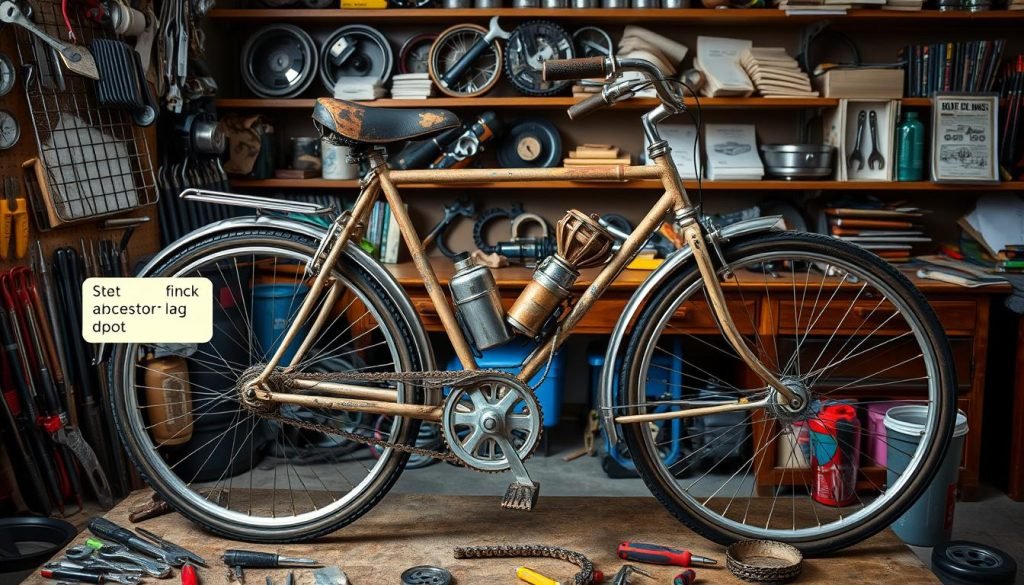
When prepping old bikes for sale, it’s important to have a plan. Mechanics say a detailed inspection and targeted repairs are key to getting a good price.
Importance of Basic Repairs
- Adjust brake systems for smooth operation
- Check and replace worn chain components
- Lubricate moving parts
- Inspect tire condition and pressure
Assessing the Bike’s Condition
Doing a full check helps you see what your bike is really worth. Experts say to look closely at these key areas:
| Component | Assessment Criteria | Recommended Action |
|---|---|---|
| Frame | Structural integrity | Repair minor scratches |
| Drivetrain | Smoothness of gear shifting | Clean and lubricate |
| Wheels | True alignment | Realign or replace if necessary |
Potential Return on Investment
Smart repairs can really up your bike’s selling price. Spend on maintenance that’s worth it. Small fixes and replacements can add up to big gains when you sell.
Regular maintenance doesn’t just improve sale value—it extends your bike’s overall lifespan and performance.
Neglecting to Clean the Bike Before Selling
Getting your old bikes ready for sale is more than just listing them online. The look of your motorcycle really matters. A clean bike shows you’ve cared for it well.
Visual Appeal Matters
When selling old bikes, how they look is key. Studies show clean bikes can sell for 10% to 20% more. A shiny bike makes a good first impression, showing you’ve looked after it.
Tips for Effective Cleaning
- Start with a thorough wash using bike-specific cleaners
- Degrease the chain and mechanical parts
- Polish chrome and metal
- Clean hard spots with care
Minor Touch-ups that Make a Difference
Small fixes can really boost your bike’s appeal. Here are some quick tips:
| Touch-up Area | Estimated Cost |
|---|---|
| Replace burnt-out light bulbs | $0-$10 |
| Fix small scratches | $0-$5 |
| Battery testing/replacement | Around $30 |
A detailed clean can up your bike’s value by up to 10% in just 5-6 hours.
Remember, detailing tells a lot about your bike’s past. Buyers like bikes that look and feel well-kept. This makes your effort to sell your bikes more likely to pay off.
Failing to Take Quality Photos
Your photos can make or break the sale of used bikes. Buyers look at pictures to judge the bike’s condition and appeal. A bad photo can keep a bike unsold for weeks, but a good one can draw in buyers fast.
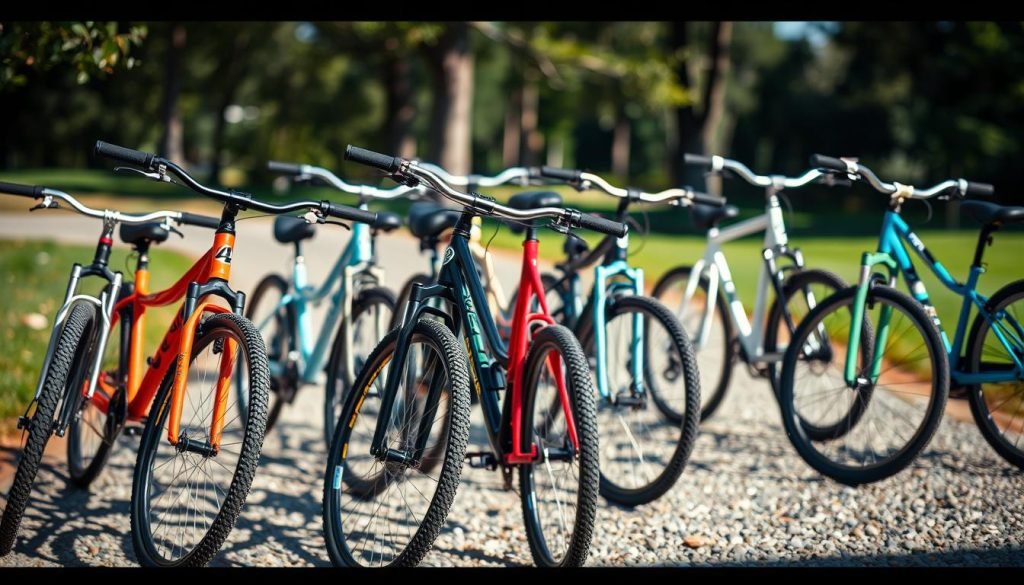
Professional photos are key in the used bike market. Sites like The Pro’s Closet and eBay stress the need for clear, detailed photos when selling bikes.
Importance of Clear, Well-Lit Pictures
Good lighting can make your bike look better. Here are some photography tips:
- Use natural daylight whenever possible
- Shoot against a neutral background
- Ensure even, soft lighting
- Avoid harsh shadows
Choosing the Right Angles
Take photos from different angles to show off your bike’s best sides. This gives buyers a full view.
| Angle | Purpose |
|---|---|
| Side Profile | Showcase overall bike design |
| Close-up of Frame | Reveal condition and unique details |
| Drivetrain View | Demonstrate mechanical integrity |
Showcasing Key Features
Be open and honest in your bike marketing. Photograph any upgrades, unique components, or potential wear areas. Buyers value honesty and detailed photos.
“A picture is worth a thousand words, specially when selling a bike online.” – Cycling Marketplace Expert
Writing a Compelling Bike Description
When selling used bikes, a detailed and honest description is key. It grabs potential buyers’ interest and builds trust. This is done through clear and engaging content.
A great bike description does more than list specs. It tells a story that connects with buyers. It shows off the bike’s unique character.
Highlighting Unique Selling Points
What makes your bike stand out? Think about these points to highlight:
- Recent maintenance or upgrades
- Original purchase details
- Exceptional component quality
- Low total mileage or usage
Being Honest About Flaws
Being open about your bike’s flaws is crucial. Buyers trust sellers who are upfront about issues. Talk about any wear, scratches, or mechanical concerns honestly.
Using Appropriate Keywords
Using the right keywords is smart. Include terms cyclists might search, like:
- Frame size
- Bike model
- Component brands
- Riding style compatibility
“Honesty and detail are your best marketing tools in bicycle resale.” – Cycling Marketplace Expert
Pricing Insights
Choosing the Wrong Selling Platform
Choosing the right platform to sell your bike is crucial. The Bike Enthusiast Community has many ways to connect with buyers. Each has its own benefits and drawbacks.
Evaluating Online Marketplaces
Online platforms offer different chances to sell your bike. Here are some key ones:
- eBay: Offers global reach but includes transaction fees
- Facebook Marketplace: Free local selling option
- Gumtree: Popular Australian platform for second-hand items
- Specialised bike forums: Target specific cycling enthusiasts
Local Selling Strategies
Local selling lets you meet buyers face-to-face. Second-hand bikes often sell faster through personal connections.
- Community bulletin boards
- Local bike shops
- Cycling club networks
Social Media Selling Benefits
Connecting directly with passionate cyclists can streamline your bike selling process.
Social media helps target the Bike Enthusiast Community. Instagram and Facebook groups for cycling can find buyers fast.
Platform Comparison
| Platform | Pros | Cons |
|---|---|---|
| eBay | Global audience | Higher transaction fees |
| Facebook Marketplace | Free, local reach | Potential safety concerns |
| Specialised Forums | Targeted buyers | Limited audience |
Choose your selling platform carefully. This will help you sell your bike for the best price.
Ignoring Your Audience
When you’re selling used bikes, knowing who you’re selling to is crucial. The Bike Enthusiast Community is varied. Each group wants different things from their bikes.
Research shows how important it is to understand your buyers. Most people start looking online before buying. And 68% like to do their own research. So, how you market matters a lot.
Identifying Potential Buyers
Not all bikes are for everyone. You might sell to:
- Urban commuters who need a reliable ride
- Mountain bike fans looking for a thrill
- Road cyclists who value speed
- Recreational riders who enjoy casual rides
Tailoring Your Message
Each group needs a different approach. Focus on what they care about most. For example, mountain bikers want bikes that can take a beating. Commuters prefer something easy to ride and maintain.
Engaging with Enthusiasts
To sell bikes well, you need to talk their language. Share all the details about the bike. Talk about its history and what makes it special. Show you get what cycling is all about.
Know your audience, speak their language, and watch your bike sell faster!
| Buyer Type | Key Motivations | Selling Approach |
|---|---|---|
| Urban Commuter | Practicality, Low Maintenance | Emphasize Reliability |
| Mountain Biker | Performance, Durability | Highlight Technical Specs |
| Road Cyclist | Speed, Lightweight Design | Showcase Component Quality |
By really getting to know your audience, you turn selling used bikes into a meaningful connection. It’s more than just a sale; it’s a bond within the Bike Enthusiast Community.
Setting Unrealistic Expectations
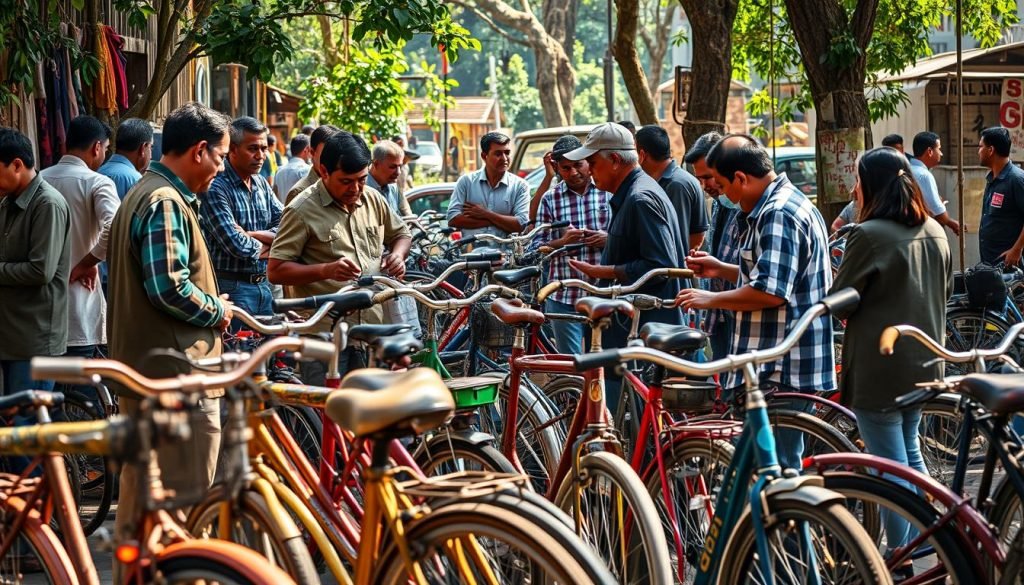
Selling a used bike needs a smart plan for pricing and talking. Many sellers make a big mistake by expecting too much. Knowing how to value your bike is key to a good sale.
Understanding Buyer Psychology
Buyers today are smart and do their homework. They look at prices and compare different bikes before buying. Your price must match what they expect and what’s fair in the market.
- Research current market values
- Understand your bike’s unique selling points
- Be realistic about your bike’s condition
The Impact of Overpricing
Setting your bike too high can block sales. Bikes priced too high often sit unsold for extended periods, losing value and interest. Good bikes can keep up to 70% of their original value if priced right.
“Price is what you pay. Value is what you get.” – Warren Buffett
Adaptability in Negotiations
Being flexible is crucial when selling your bike. Start with a bit higher price, but be ready to adjust based on feedback. Buyers like sellers who are willing to talk.
- Start with a competitive but slightly elevated price
- Be open to reasonable offers
- Know your absolute minimum acceptable price
Good Used Bike Valuation is more than just numbers. It’s about knowing the market, what buyers want, and showing your bike’s real worth.
Not Being Prepared for Questions
Selling a bike is more than just listing it online. Success comes from handling buyer questions well and addressing their concerns. Knowing how to negotiate bike sales is key to a smooth sale.
Buyers will ask many questions about your bike. If you’re not ready, it can harm your sale and make you look less credible.
Anticipating Buyer Concerns
Buyers often want to know the bike’s history and condition. About 70-80% of buyers might not get complex bike parts. Get ready for common questions:
- Maintenance history
- Age of the bicycle
- Previous repairs
- Reason for selling
Demonstrating Product Knowledge
Showing you know your stuff can sway a buyer’s choice. Be ready to talk about technical stuff confidently. Know about things like integrated parts, cable setup, and upkeep needs.
| Bicycle Component | Potential Buyer Question | Recommended Response |
|---|---|---|
| Headset Bearings | Replacement cost? | Explain proprietary vs standard part pricing |
| Cable Routing | Maintenance complexity? | Highlight potential service time differences |
Handling Low-ball Offers
Dealing with low offers needs patience and professionalism. Stay calm and explain your pricing clearly. Know your bike’s true market value and defend it politely.
“Knowledge is power in bike sales negotiations” – Cycling Marketplace Insights
Good preparation boosts your sale chances and makes buyers happy.
Overlooking Paperwork and Documentation
When selling a used bike, the right paperwork is key. Buyers want to see everything clearly. This builds trust and helps with the bike’s value.
Importance of Receipts and Manuals
Having all your records ready can change the game. Buyers like to see:
- Original purchase receipts
- Maintenance records
- Repair documentation
- Manufacturer warranties
Transferring Ownership Smoothly
For a smooth transfer, prepare well. Collect all documents that show your bike’s history and condition.
| Document Type | Purpose |
|---|---|
| Bill of Sale | Legal proof of transaction |
| Service Records | Demonstrates bike maintenance |
| Original Registration | Verifies bike’s authenticity |
Legal Considerations When Selling
Stay safe by covering legal bases. Check the bike isn’t stolen, share any problems, and make sure all papers are in order.
A well-documented bike tells its story before the first conversation begins.
Organizing your documents well boosts buyer confidence. This can lead to a quicker, more profitable sale.
Rushing the Selling Process
When selling a bike, patience and smart negotiation are key. Your approach can greatly affect the sale’s success. In Sydney’s busy used motorcycle market, selling your bike well is more than just listing it online.
Every buyer has their own needs and reasons. Taking time to think about offers helps you avoid making quick, bad choices. Procycles suggests looking at more than just the price. Check the buyer’s trustworthiness, payment plans, and real interest in your bike.
Choosing to walk away is a strong move if offers are too low. Sydney’s urban riders know the market well, from 250cc to 650cc bikes. Being patient can lead to a better deal, one that shows your bike’s true value.
Successful bike sales are about making smart choices, not rushing. Stay calm, carefully review each offer, and know the market. This way, you’ll get the best deal for your motorcycle.