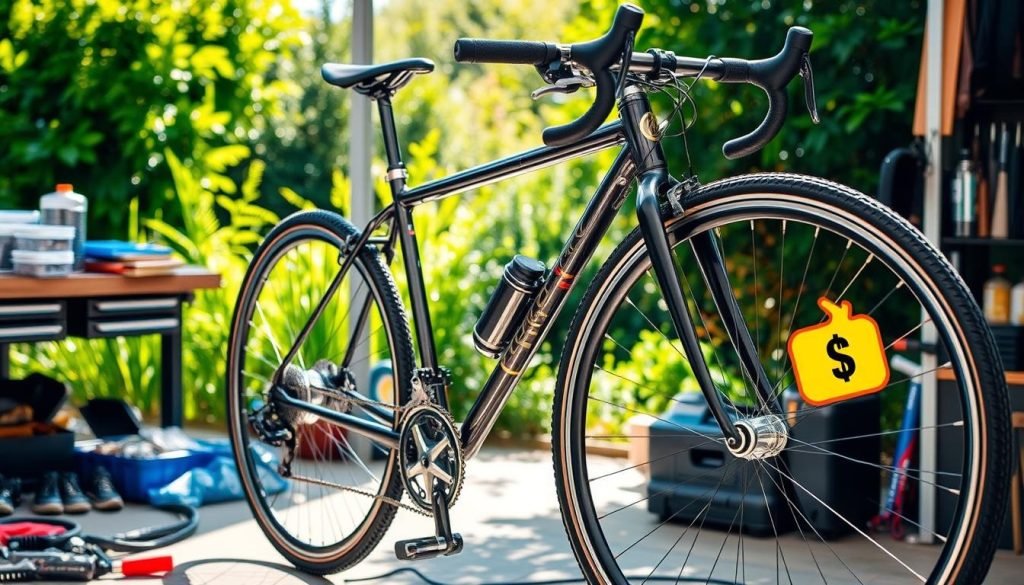
Are you ready to unlock the hidden value of your beloved two-wheeled companion? What if selling your bicycle could be more than just a transaction, but a strategic journey to maximize your bike’s worth?
Selling a bicycle requires more than just listing it online. Cycling enthusiast tips reveal that preparation is key to getting the best price. Your bike’s value depends on multiple factors, from its condition to market demand.
Understanding the Australian market means knowing how to present your bike attractively. Potential buyers are looking for well-maintained machines that tell a story of care and performance.
Key Takeaways
- Thorough preparation increases your bike’s selling potential
- Research current market values before listing
- Clean and maintain your bike to boost its appeal
- Gather all service and maintenance documentation
- Take high-quality photographs from multiple angles
- Be realistic about pricing and market conditions
- Choose the right platform for selling your bicycle
Research the Current Market Value
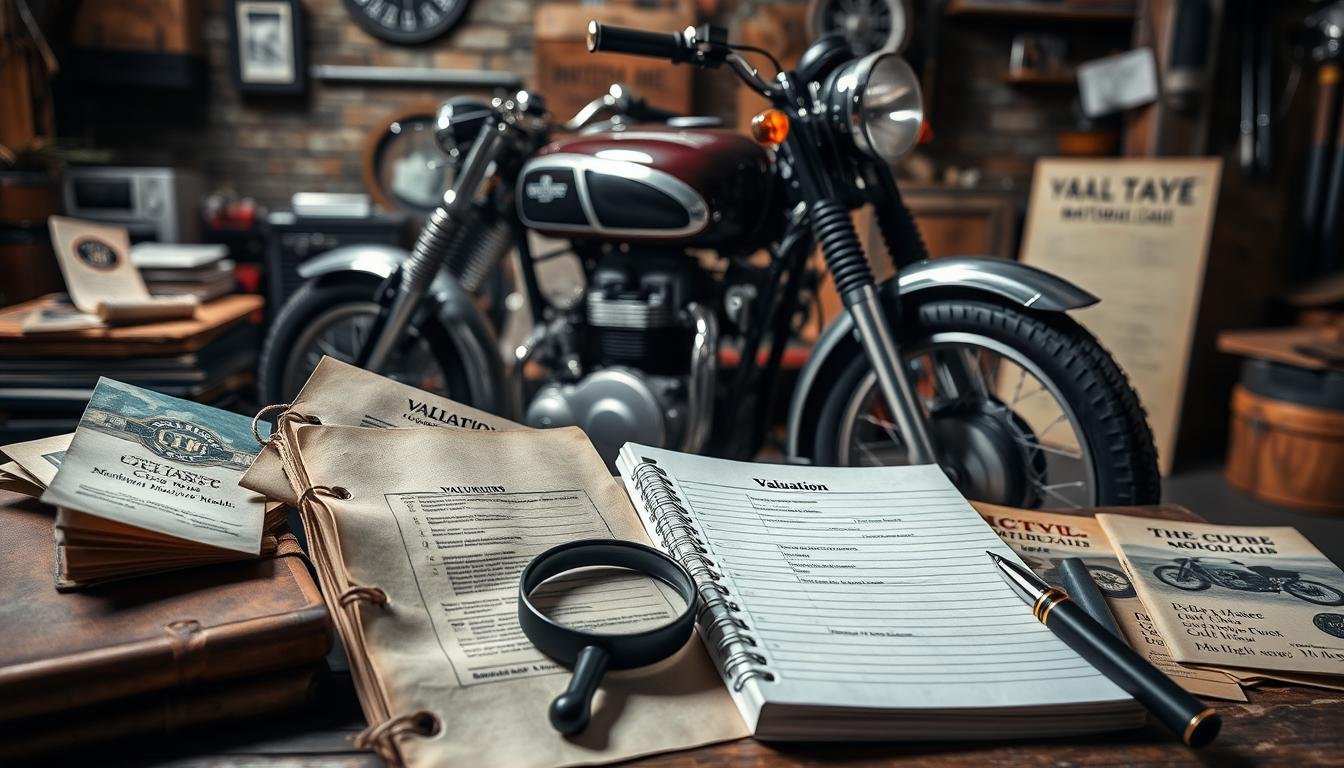
When selling your bike, knowing its true market value is key. The Australian bike market changes often. You need to Research Bike Market Value and Evaluate Bike Condition to price it right.
- Investigate online marketplaces like bikesales.com.au
- Compare similar bike listings with matching specifications
- Consider brand reputation and model quality
- Factor in bike age and overall condition
Understand Bike Valuations
Getting a bike valued right needs a detailed look. Depreciation affects bike values, with most bikes losing value over time. A bike in good shape, with high-quality parts, can keep more of its original price.
“The right research can turn your bike from a ‘shelf queen’ into a desirable sale item.”
Check Online Classifieds
| Bike Attribute | Impact on Value |
|---|---|
| Maintenance History | High positive impact |
| Component Quality | Significant value determinant |
| Accessories Included | Can add $200+ to listing price |
| Frame Material | Varies (Steel, Aluminum, Carbon Fiber) |
Visit Local Dealerships
Local bike shops offer insights into market trends. They might not pay top dollar for used bikes but can guide on pricing. The demand for certain bike types, like electric or gravel bikes, affects resale value.
Pro tip: Start with a slightly higher price and be ready to adjust. This way, you can gauge market interest while staying flexible.
Prepare Your Bike for Sale
Getting ready to sell your bike needs careful steps. As a cycling enthusiast, you want to show your bike in the best light. This can help attract buyers and increase your chances of a good sale.
Comprehensive Bike Cleaning
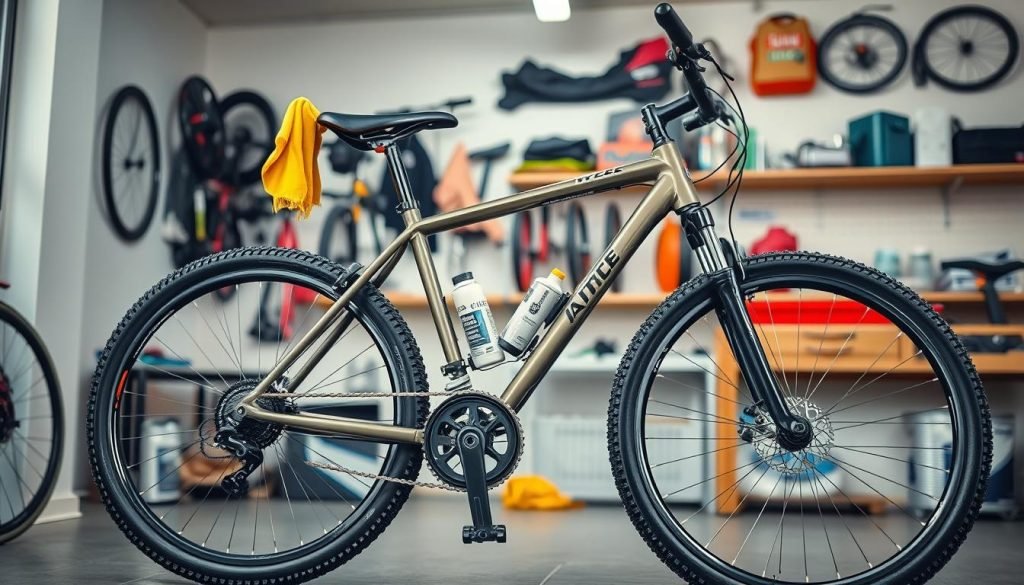
A clean bike is key to attracting buyers. Here are some tips to make your bike shine:
- Thoroughly wash the entire frame with bicycle-specific cleaner
- Degrease and lubricate the chain
- Polish all metal components
- Clean wheels and spokes meticulously
Maintenance Checklist
Make sure your bike is ready for sale by checking these areas:
| Maintenance Area | Action Required |
|---|---|
| Tires | Check pressure, inspect for wear |
| Brakes | Adjust and test brake performance |
| Gears | Ensure smooth shifting |
Documentation and Photographs
Collect all important documents and take great photos. High-quality photos can increase your selling potential by up to 50%.
“A well-prepared bike tells potential buyers you’ve been a responsible owner” – Cycling Expert
When taking photos, use a clean background. Show your bike from different angles. Include close-ups of important parts and any special features.
Determine the Right Time to Sell
Timing is key when selling a bicycle. Knowing the market can help you get the best price. It’s all about planning and staying informed.
Choosing the right time can really boost your bike’s price and interest. Here are some important points to consider:
Understand Seasonal Trends
In Australia, cycling is most popular in certain seasons. Summer and early autumn are the best times to sell. More people are out cycling during these months, leading to higher demand.
- Peak selling seasons: December to February
- Moderate demand: September to November
- Lower interest: Winter months (June to August)
Monitor Events and Promotions
Local cycling events and promotions can be great chances to sell your bike. Keep an eye on:
- Local cycling competitions
- Community bike festivals
- Sporting events featuring cycling
Capitalise on Bike Sales Momentum
“Timing is everything when selling your bicycle. The right moment can transform an average sale into an exceptional transaction.”
Studies show that updating your listing can draw more buyers. Try refreshing your photos and descriptions to keep interest high.
When selling a bike, patience and timing are crucial. By understanding the market and timing your sale well, you can get the best price.
Set a Competitive Price
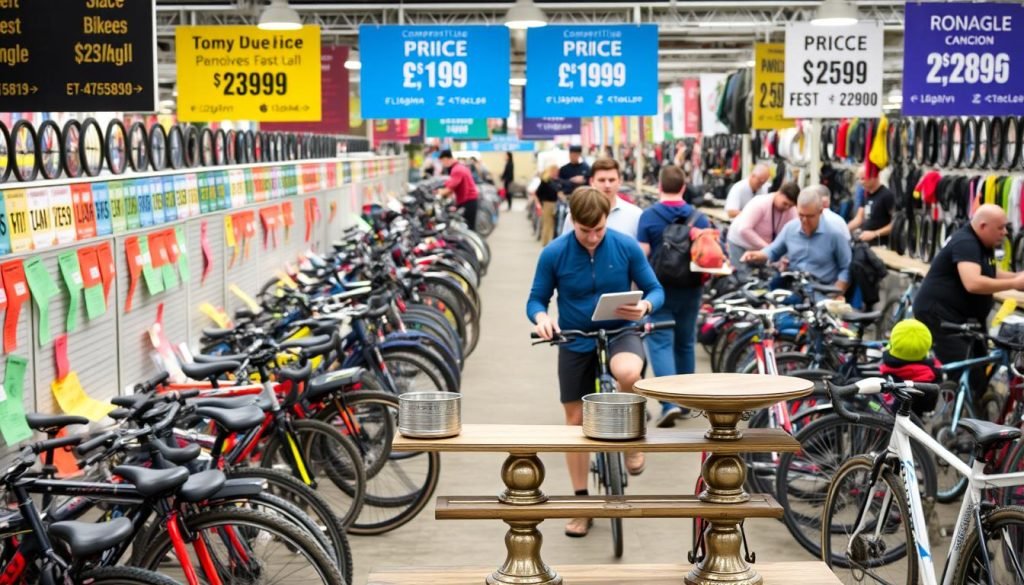
When selling your bike, pricing it right is key. The right price can lead to a quick sale. On the other hand, a wrong price might leave your bike unsold for months.
Research Comparable Listings
To price your bike well, start by looking at similar bikes online. Look at these important factors:
- Bike age and model
- Overall condition
- Mileage and wear
- Included accessories
- Original purchase price
Understand Pricing Strategies
Choosing the right pricing strategy is crucial. Around half the retail price is common for bikes in good shape. Use sites like BikeExchange to see what similar bikes are selling for.
“Research and planning are essential for getting the best bike deals.”
Avoid Underpricing Your Bike
Don’t price your bike too low. Set your price a bit above the average of similar bikes. This gives room for negotiation and ensures you don’t sell too cheap.
Pro tip: Save about 10 percent of the bike’s value for maintenance. This shows you’re honest and adds value for buyers.
The right price shows the bike’s condition, history, and value to a new owner.
Promote Your Bike Effectively
Selling your bike needs a smart plan to grab the attention of buyers. Tips for cycling enthusiasts can make your selling game strong. This helps you promote your bike well on different platforms.
Leverage Social Media Platforms
Social media is a great tool for bike sellers. Here are some smart strategies:
- Create special posts on Facebook Marketplace
- Show off your bike’s details on Instagram
- Join cycling groups online
- Post clear, high-quality photos from all sides
Craft Compelling Listings
A good listing can make your bike more visible. Make sure to include these important points:
- Give all the bike’s specs
- Share recent maintenance records
- Explain why your price is fair
- Be honest about the bike’s condition
Engage Potential Buyers
Being professional and quick to respond builds trust. Answer questions clearly and show why your bike is worth it.
“91% of consumers prefer brands offering personalized recommendations” – Marketing Insights Report
| Promotion Channel | Effectiveness Rating |
|---|---|
| Facebook Marketplace | 8/10 |
| 7/10 | |
| Cycling Forums | 6/10 |
Pro tip: Make a short video tour of your bike to make it stand out.
Choose the Best Selling Platform
Selling a bicycle needs careful thought about where to sell it. The right place can affect how fast and for how much you sell. Knowing your options helps you choose wisely.
Compare Online Marketplaces
Online sites offer many chances to sell your bike. Here are some top picks:
- BikeExchange: Boasts 3 million active monthly shoppers
- BikeList: Specializes in cyclist-specific marketplace
- eBay: Provides global audience reach
- Facebook Marketplace: Local and convenient selling option
Explore Local Selling Options
Local sites can connect you with cyclists nearby. Some local spots include:
- Cycling club notice boards
- Community Facebook groups
- Local bike shops
- Gumtree classifieds
Consider Trade-In Options
Trade-in programs can make selling easy and quick. Some sites offer special perks:
| Platform | Key Feature | Buyer Protection |
|---|---|---|
| BikeList | Secure payments via Stripe | Dispute resolution support |
| The Cyclist House | Buys bikes over €1,500 | Certified marketplace |
Pro tip: Over 90% of bike buyers research online before purchasing, so choose a platform with strong visibility.
Choosing the right platform is key to selling your bike well. Look at each site’s reach, fees, and who they attract. This helps you pick the best option.
Be Transparent with Potential Buyers
When selling your bike, honesty is crucial. It’s the key to getting a good price. Buyers like sellers who are open about the bike’s condition and history.
Disclose Any Issues or Repairs
Being honest builds trust. When checking your bike’s condition, be upfront about:
- Previous accidents or damage
- Recent repairs or maintenance
- Existing wear and tear
- Any mechanical issues
“A clear conscience makes for a smoother sale” – Cycling Marketplace Wisdom
Provide Accurate Specifications
Give detailed info to help buyers decide. Share specific details about your bike:
- Precise age of the bicycle
- Total kilometers ridden
- Original purchase date
- Manufacturer specifications
Be Honest About Age and Usage
Buyers want the truth. Documenting your bike’s history can boost its value. Keep service records, take clear photos, and be ready to answer questions about your bike’s past.
By being honest, you’ll attract serious buyers. They’ll appreciate your transparency.
Negotiate with Confidence
Selling a bike needs smart negotiation skills to get the best price. It’s not just about the number you quote. It’s about knowing the market and showing your bike’s real value.
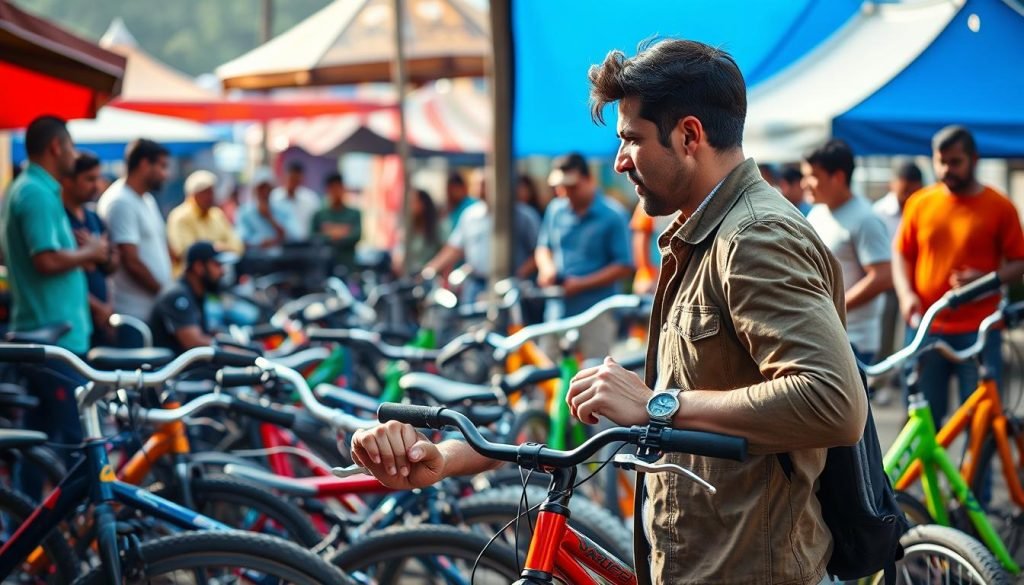
Good negotiations start with being well-prepared and knowing your stuff. Knowing your bike’s market value is key to talking confidently with buyers.
Know Your Bottom Price
Set your lowest price before you start negotiating. Think about a few things:
- Original purchase price
- Current market rates
- Bike’s condition and upgrades
- Maintenance history
Be Prepared for Offers
Buyers will try to lower your price. Stay calm and professional when they do. Have a plan for different offers:
- Know your walkaway point
- Be ready to justify your price
- Consider package deals with accessories
Use Compelling Justifications
“Negotiations are not about winning, but finding mutual value.” – Cycling Sales Expert
When you negotiate, explain why your bike is worth the price. Talk about recent upgrades, good maintenance, low mileage, or special features that make it stand out.
Confidence and being prepared are your strongest tools for a good deal. Be open but firm, aiming for a fair deal that makes both sides happy.
Finalize the Sale Securely
When you’re ready to sell your bike, security and professionalism are key. The last steps to sell your bike need careful attention. This ensures a smooth transaction that protects both you and the buyer.
Keeping payments safe is essential. Bank transfers or digital platforms like PayPal are safer than cash. For expensive bikes, use a secure payment method that protects transactions. If you meet in person, pick public places like police station parking lots for safety.
Documentation is vital in selling your bike. Make a detailed bill of sale with the bike’s details, price, and contact info. Check the buyer’s ID and make sure all ownership transfer papers are done right. This helps avoid future problems and protects both parties legally.
Keep in touch with the buyer after the sale. Share contact details and be ready to answer any questions about the bike. By following these steps, you’ll sell your bike smoothly and securely.