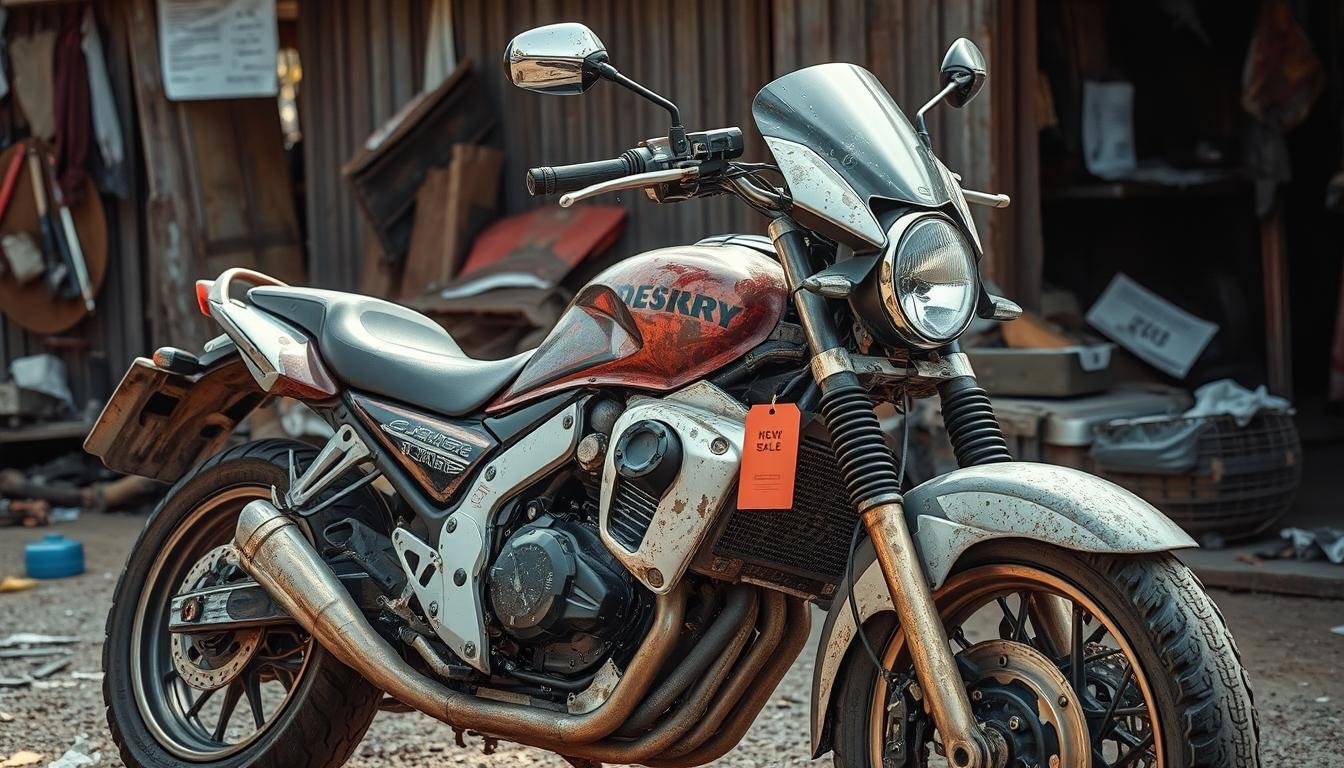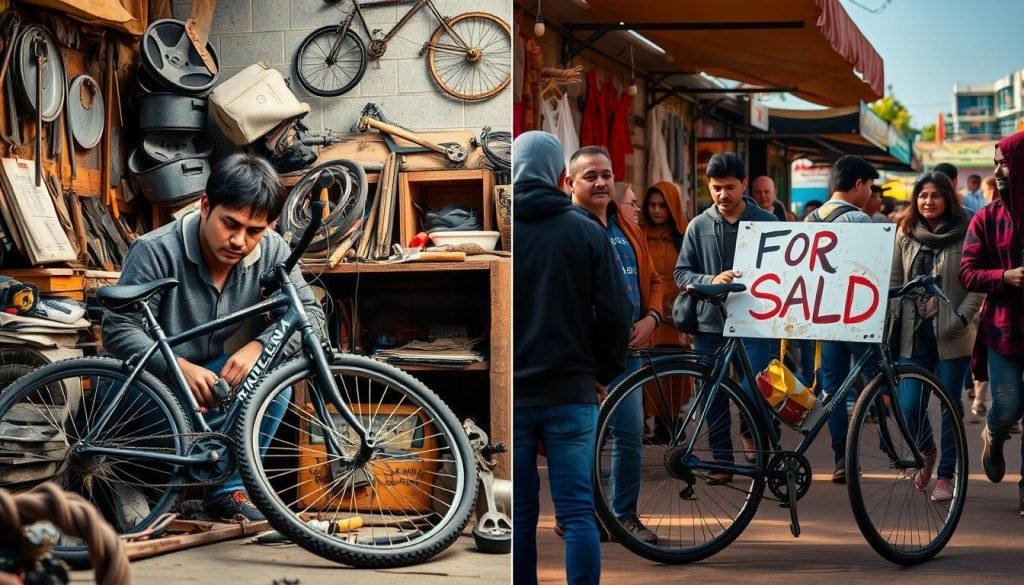
Ever thought about fixing that broken bike in your garage or selling it? Cycling fans often struggle with this choice. They must decide if bike maintenance is worth it or if it’s time to let go.
Fixing a bike can be tricky. Some riders find that small problems like a broken chain or a tiny crack in the frame might not cost as much as they think. Repair prices can vary, from $140 to $525 for carbon frames. Knowing your options is key to finding a cost-effective solution.
Choosing how to handle bike repairs involves many factors. The bike’s condition, how fixable it is, and how much you care about it are all important. These factors help you decide the best course of action.
Key Takeaways
- Assess the extent of bike damage before making a decision
- Compare repair costs against potential replacement expenses
- Consider the sentimental and practical value of your bike
- Explore both professional and DIY repair options
- Evaluate the bike’s overall condition and future usability
Understanding the Condition of Your Bike
Knowing your bike’s condition is key for repair and maintenance. Every cyclist knows a detailed check can save time, money, and safety risks.
Before fixing or selling your bike, you need a full check. This involves several important steps to guide your decision.
Assessing the Damage
Damage on your bike can be small or serious. When checking your bike, look for these signs:
- Cracks in the frame, mainly near stress points
- Rust or corrosion on metal parts
- Dents or big scratches
- Wear on tires and accessories
Identifying Key Components
Important parts need a close look:
| Component | What to Check | Potential Issues |
|---|---|---|
| Frame | Structural integrity | Cracks, bends, rust |
| Wheels | Spoke tension, rim condition | Wobbling, spoke damage |
| Drivetrain | Chain, cassette, chainrings | Wear, tooth irregularities |
| Brakes | Pad wear, cable condition | Reduced stopping power |
Evaluating Safety Issues
Safety is always first in bike maintenance. Small issues can quickly become big problems.
“A well-maintained bike is a safe bike” – Australian Cycling Association
Professional bike repair services can do a detailed check if you’re unsure. They can tell you if fixing or replacing your bike is best for safety and cost.
The Costs of Repairing Your Bike
Understanding bike repair costs can be challenging. When your bike needs fixing, knowing the costs is key. This helps you make smart choices about bike maintenance.
Repair costs for bikes vary a lot. The bike’s condition, damage extent, and component quality are important. These factors affect the total cost.
Calculating Repair Costs
When looking at repair costs, cyclists need to think about several things:
- Frame damage assessment
- Component replacement needs
- Labour costs for professional repairs
- Potential long-term value preservation
Breakdown of Potential Repair Expenses
| Repair Type | Estimated Cost Range | Complexity |
|---|---|---|
| Minor Frame Repair | $140 – $350 | Low |
| Carbon Frame Crack Fix | $350 – $450 | Medium |
| Complete Component Overhaul | $500 – $1000 | High |
Ongoing Maintenance Expenses
Using cost-effective solutions for cycling accessories and regular maintenance helps save money. Regular care stops big repairs and makes your bike last longer.
“Investing in preventative maintenance is cheaper than major repairs” – Australian Cycling Experts
Comparing Costs with New Bikes
Repairing your bike might seem pricey, but it’s often cheaper than buying a new one. Think about these points:
- Current bike’s overall condition
- Sentimental value
- Potential repair success rate
- Market prices for new bicycles
Pro tip: Always get professional assessments before committing to extensive repairs to ensure cost-effectiveness and safety.
The Benefits of Fixing Your Bike
Being a cycling fan means more than just riding. Fixing your bike can turn an old bike into a treasured friend. It offers many benefits that go beyond just fixing it.
Extending Bike Life
Looking after your bike is key to keeping it running well. In Australia, 500,000 bikes are thrown away each year. But, with the right care, you can make your bike last longer.
- Regular maintenance can prevent premature wear
- Professional repairs can restore bikes to near-original condition
- Proper care reduces long-term replacement costs
Maintaining Sentimental Value
Every bike has its own story. Custom builds and unique bikes carry emotional significance that a new bike can’t match. Fixing your bike keeps its history and memories alive.
“Fixing a bicycle is more than mechanical work – it’s about keeping memories rolling.”
Gaining Personal Achievement
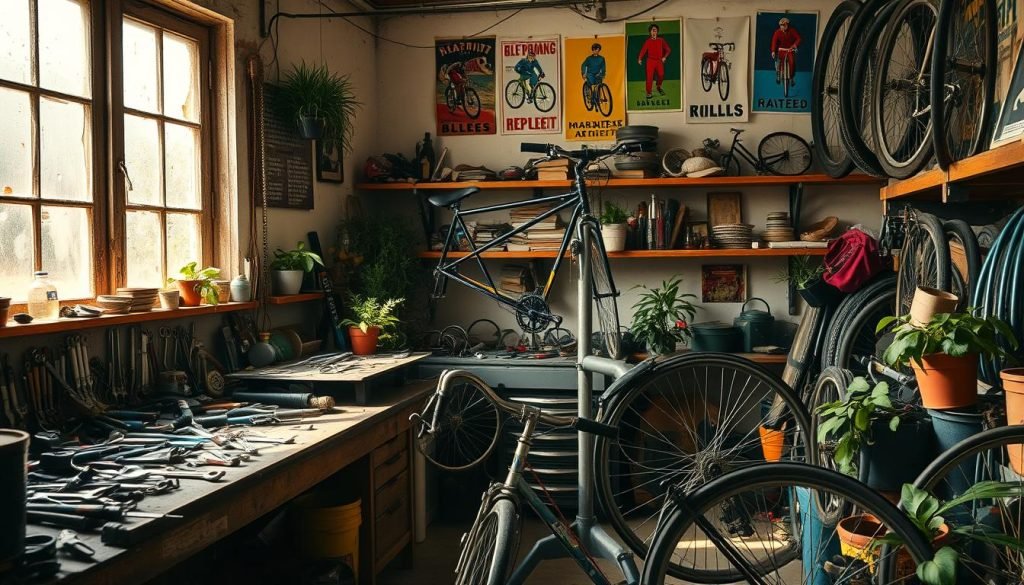
Fixing your bike yourself is rewarding. It’s not just about learning to fix things. It’s about feeling proud of what you can do. Many cyclists love the feeling of knowing how to fix their own bikes.
| Repair Benefit | Impact |
|---|---|
| Cost Savings | Reduces expensive bike replacements |
| Skill Development | Builds mechanical knowledge |
| Environmental Impact | Reduces bicycle waste |
By spending time on bike repair and maintenance, you save money. You also learn new skills and help the environment.
The Advantages of Selling Your Broken Bike
Turning your old bike into cash is a smart choice in Australia. Even if your bike is damaged, selling it can be a good idea. It’s better than keeping it in storage.
Looking into second-hand bikes can bring you financial and practical gains:
- Potential financial return from selling bike parts
- Creating space for new cycling equipment
- Contributing to sustainable cycling practices
Potential Financial Return
In cities like Ahmedabad and across Australia, scrap dealers pay well for damaged bikes. They offer quick deals, often finishing the sale in a day. Your broken bike could be someone else’s project or parts source.
“One person’s damaged bike is another cyclist’s opportunity for restoration”
Space Management
Selling your broken bike saves you space. It lets you clear out old gear for new stuff.
Environmental Considerations
Selling your bike helps the environment. Recycling bike parts cuts down on waste. It gives them a new life. Buyers looking for project bikes or parts help the bike resale market.
Even a damaged bike has value. Look into selling options and make the most of your broken bike.
The Market for Used Bikes in Australia
The Australian second-hand bikes market is full of opportunities for cycling fans. It’s a great place to buy or sell bikes. Knowing the current trends can help you make smart choices about your bike’s future.
Cycling is getting more popular in Australian cities. This has made the bike resale market lively. People are drawn to bikes as a green and cost-effective way to travel.
Current Cycling Market Trends
- Red and black bikes consistently attract the highest resale values
- Original paint and intact accessories increase bike marketability
- Community bike initiatives are expanding across major Australian cities
Demand for Broken Bikes
Broken bikes have a special place in the market. DIY repair fans and professional shops look for them. They want to fix and customize these bikes.
“One person’s broken bike is another cyclist’s exciting restoration project.”
Resources for Selling Your Bike
There are many ways to sell your second-hand bike in Australia:
- Online marketplaces like Gumtree and Facebook Marketplace
- Local bike shops interested in purchasing used bicycles
- Community cycling forums and groups
- Specialized bike resale websites
When selling, it’s important to be honest about your bike’s condition. Share details about repairs, maintenance, and its history. This can attract serious buyers in the bike resale market.
DIY Repairs: What You Need to Know
Fixing your bike can be fun and rewarding. It saves money and lets you learn about your bike. Whether you ride a lot or just on weekends, knowing how to fix your bike is important.
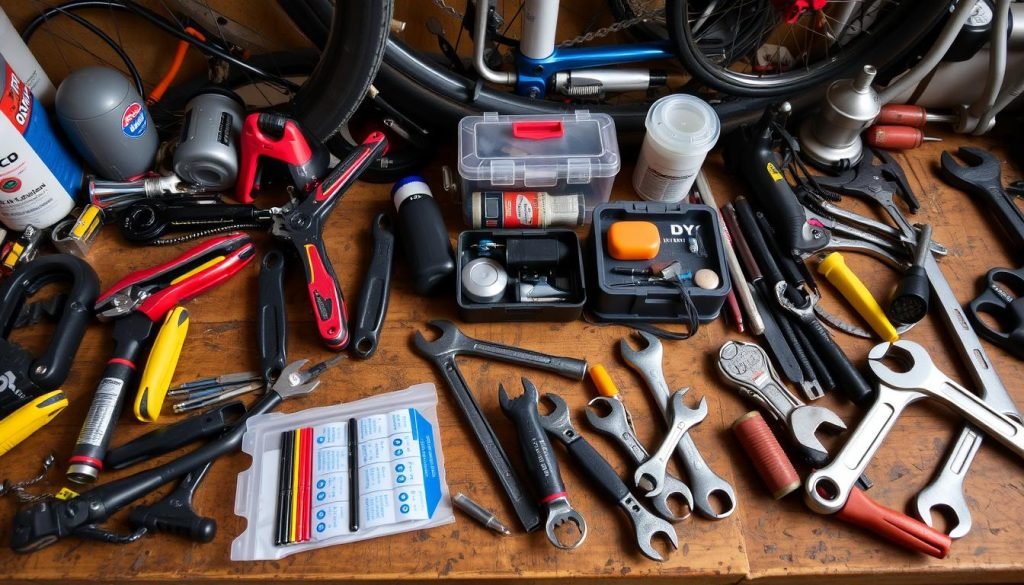
Having the right tools and knowledge can make your rides better. First, check your bike’s condition and gather the tools you need.
Common Repairs for Home Mechanics
Some bike repairs are easy to do at home. Here are a few you can try:
- Fixing flat tyres
- Adjusting brake and gear mechanisms
- Cleaning and lubricating the chain
- Replacing handlebar tape
- Tightening loose bolts and components
Essential Tools for Basic Bicycle Repair
Here’s what you need in your toolkit:
- Allen key set
- Screwdrivers (flathead and Phillips)
- Tyre levers
- Adjustable wrench
- Chain lubricant
- Bike-specific cleaning brushes
When to Call a Professional
Some repairs need a pro’s touch. Here are when to call a bike shop:
- Complex carbon frame damage
- Wheel truing and spoke replacement
- Suspension fork rebuilds
- Advanced drivetrain repairs
- Structural frame issues
“A well-maintained bike is a safe and reliable companion on every ride.”
Always put safety first when fixing your bike. If you’re not sure about a repair, get help from a professional. This avoids damage and keeps you safe.
Professional Repair Services: Pros and Cons
Cycling fans know that getting your bike fixed by pros can make a big difference. When your bike needs serious work, it’s key to know about repair services. This helps you make a smart choice.
Professional bike care brings special skills that home fixes can’t match. Experts can spot and fix problems that regular people might miss.
Evaluating Local Repair Shops
Local bike shops offer personal service with big benefits:
- Direct face-to-face consultation
- Immediate assessment of bicycle damage
- Potential quick turnaround times
- Opportunity to build a relationship with local experts
Considering Mobile Repair Services
Mobile bike repair comes to you. It’s great for those who can’t move their bikes or prefer repairs at home.
| Service Type | Pros | Cons |
|---|---|---|
| Local Shop | Comprehensive tools | Fixed location |
| Mobile Service | Convenient location | Limited complex repair capabilities |
Understanding Repair Guarantees
Good repair shops offer warranties, giving you confidence. Guarantees usually last from 30 to 90 days. They cover both labor and parts.
“A professional bicycle repair can often save you more money than a complete replacement.” – Australian Cycling Expert
When picking a repair service, look at their experience, reviews, and bike type focus. Quality repair can make your bike last longer and perform better.
How to Prepare Your Bike for Sale
Selling your second-hand bike needs careful preparation. This will help attract buyers in the bike resale market. The right steps can increase your sale chances and get you a good price for your cycling accessories.
Cleaning and Maintenance Tips
A clean bike is more appealing to buyers. Start by giving your bike a deep clean. This will make it look great and show its value. Here are some cleaning tips:
- Wash the frame with bike-specific cleaner
- Degrease and lubricate the chain
- Polish wheels and rims
- Check and adjust tire pressure
- Wipe down all components
Documenting Damage for Buyers
Being open about your bike’s condition is important. Create a detailed damage report. It should include:
- Detailed description of any scratches or wear
- Photographs of specific damage areas
- Maintenance history
- Any recent repairs or replacements
*”Honesty builds trust with potential buyers and can help you secure a faster sale.”*
Taking Quality Photos
Good photos are crucial for your bike listing. Take clear images that show off your bike’s best features:
- Use natural, well-lit environments
- Photograph from multiple angles
- Highlight unique cycling accessories
- Ensure high-resolution images
- Include close-ups of key components
By following these steps, you’ll show your bike in its best light. This will increase your chances of a successful and profitable sale.
Timing Your Decision: Fix or Sell
When thinking about replacing your bike, timing is key. It decides if you should fix or sell it. Cycling fans know that making the right choice can save money and improve your ride.
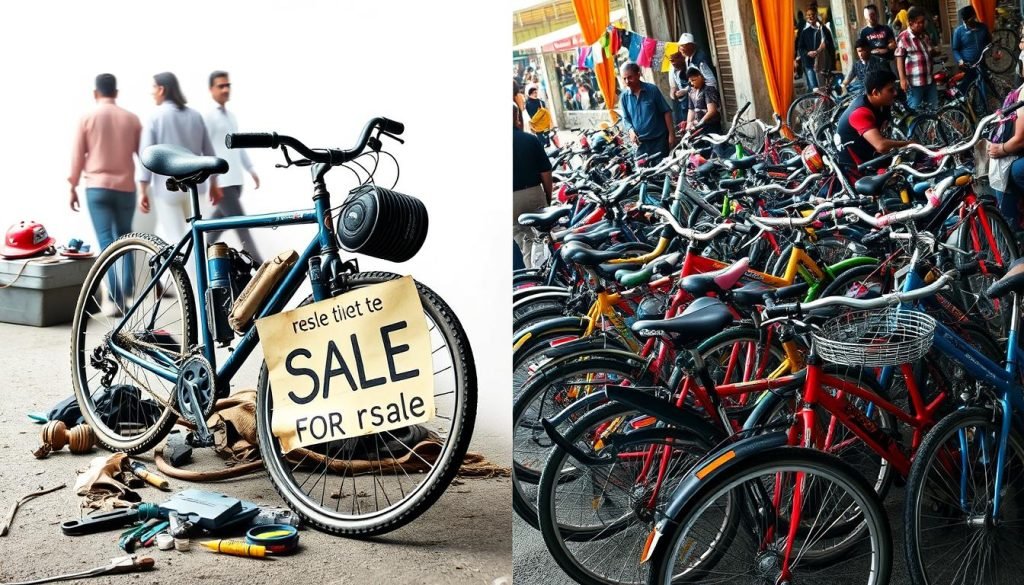
Your bike’s state and the market’s mood are important. Knowing these can help you decide wisely about your bike.
Recognising Seasonal Trends
The bike market in Australia changes with the seasons. The best times to sell or buy are:
- Spring (September-November): Highest demand for bikes
- Summer (December-February): Strong market activity
- Autumn (March-May): Moderate seller’s market
- Winter (June-August): Reduced buyer interest
Understanding Personal Usage Cycles
Think about how you use your bike before deciding. Look at:
- Upcoming cycling events or competitions
- Training goals
- How often you ride now
- What you plan to do in the future
Market Conditions to Consider
Market conditions affect your bike choices. Look at:
| Market Factor | Impact on Decision |
|---|---|
| Bike Component Availability | Influences repair feasibility |
| Current Bike Demand | Determines potential resale value |
| Repair Wait Times | Critical for urgent cycling needs |
“Timing is everything in the cycling world – knowing when to repair or sell can save you money and enhance your riding experience.”
Pro tip: Research local bike shops and online marketplaces to understand current market trends before making your final decision.
Your Future Cycling Needs
As a cycling enthusiast, your bike is more than just a way to get around. It’s a part of your lifestyle and goals. Knowing what you need in the future can help you choose the right bike.
Cycling habits change over time. What was good for you before might not be now. Your bike should grow with you, whether you’re getting into competitive cycling or changing your commute.
Assessing Your Cycling Habits
Think about your current cycling routine. Ask yourself these important questions:
- How often do you ride?
- What kind of terrain do you ride on?
- Are your accessories still good for your bike?
- Do you need special features for your riding style?
Planning for Upgrades or Changes
It’s a good time to think about upgrading your bike. Consider these things:
- What do you need for better performance?
- What’s your budget?
- What are your long-term cycling goals?
- Have there been new bike designs or tech?
“The right bike can transform your cycling experience from routine to extraordinary.”
Considering Alternative Transport
While bikes are great for many, look at other options too. Electric bikes, folding bikes, or hybrids might fit your changing needs better.
Choosing the right accessories and making smart bike choices can make your rides better and more enjoyable in the long run.
Resources for Selling or Repairing Your Bike
Finding your way in the world of second-hand bikes can be tough. But, Australia has lots of help for you. Whether you want to upgrade or keep your bike in top shape, there are many resources available.
Online Marketplaces
Digital platforms have changed how we buy and sell bikes. Here are some top sites for second-hand bikes:
- Gumtree – A popular platform for bicycle repair and selling
- Facebook Marketplace – Connect directly with local cycling enthusiasts
- eBay Australia – Reach a broader market of potential buyers
Local Bike Shops and Repair Services
Professional bike repair services can make your bike feel new again. Check out these local options:
- Revolve ReCYCLING – Offers contactless bike collection
- Bikes4Life – Accepts bike donations in major cities
- Western Sydney Cycling Network – Provides repair services monthly
Community Groups and Forums
Joining local cycling groups can be super helpful for bike repairs and sales:
- UOW Cycling Club – Donation program in Wollongong
- Local Facebook cycling groups
- Specialized online forums for bike enthusiasts
“The value of an old bike isn’t just in its parts, but in the potential for restoration and new adventures.”
Looking to sell your bike or need repair services? Australia’s cycling community has got you covered. Look into local resources, connect with other cyclists, and you’ll find the right solution for your bike.
Making Your Final Decision
When deciding whether to fix or sell your broken bike, think about what matters most. Your bike’s history and how much you care about it are key. Also, compare repair costs to the bike’s value and your future cycling plans.
Weighing Your Options
For bikes under 2-3 years old, fixing might be worth it. Repairing a carbon frame costs between £100 and £1200. It usually takes about three weeks. If your bike is special and still in good shape, fixing it could be the best choice.
Understanding Your Personal Values
Think about how you feel about riding a fixed bike. Selling parts can help buy a new one. If your bike is older than 5 years, it might be time for a new one. Pros say check the bike’s structure and performance before deciding.
Seeking Advice from Fellow Cyclists
Talk to local cycling groups or bike shops for advice. They can offer insights based on your situation. A fixed bike can be as good as new, but your confidence in the repair is key.