Are you ready to sell your bike safely, or are you one click away from a potential scam? Selling motorcycles requires careful screening of potential buyers to ensure safe transactions across Australia.
Navigating the second-hand bike market demands careful consideration. Whether you’re selling a mountain bike, road bike, or hybrid, understanding how to identify trustworthy buyers is crucial for a smooth and secure sale.
Screening potential buyers isn’t just about finding someone willing to pay. It’s about protecting yourself, your asset, and ensuring a transaction that leaves both parties satisfied. With online platforms like eBay, Facebook Marketplace, and Gumtree offering numerous selling opportunities, knowing how to spot a reliable buyer has never been more important.
Key Takeaways
- Prioritise buyer verification before finalising any sale
- Use trusted online platforms for selling motorcycles
- Always meet potential buyers in safe, public locations
- Trust your instincts during safe transactions
- Prepare comprehensive documentation for the sale
Understand What Makes a Buyer Reliable
When you’re selling in the used bike market, knowing your buyer is key. Motorcycle fans look for buyers they can trust. The rider community wants honest and interested buyers for pre-owned bikes.
Traits of a Reliable Buyer
A reliable buyer in the motorcycle world has certain qualities. Look for these important traits:
- Prompt and clear communication
- Willingness to provide legitimate identification
- Asks detailed questions about the bike’s history
- Shows genuine knowledge about motorcycle specifications
- Respectful and professional in interactions
“Trust is the currency of successful motorcycle transactions” – Experienced Rider
Importance of Trustworthiness
Trust is crucial in the used bike market. Reliable buyers protect both parties during the transaction. They know what to expect in motorcycle exchanges and act with integrity.
Research shows that serious buyers usually:
- Do thorough research before contacting sellers
- Understand bike maintenance
- Ask prepared questions
- Are open about their buying plans
By spotting these traits, you can make selling easier. You’ll find real motorcycle fans who value quality and fair deals.
Research Potential Buyers
Finding the right buyer for your bike is key. You need to look for genuine buyers who are reliable and really want your bike.
Online Platforms to Explore
There are many digital places to find buyers:
- BikeExchange: A site for cyclists
- Facebook Marketplace: Reaches a lot of people locally
- Gumtree: A well-known Australian site for classifieds
- Cycling forums and websites
Evaluating Buyer Profiles
When checking out buyers on social media, look at these important things:
- How complete their profile is and how old it is
- If they’ve bought things before
- If they’re active in online communities
- What others say about them
*A detailed profile means the buyer is likely trustworthy.*
Profile Assessment Criteria
| Criteria | Positive Indicators | Red Flags |
|---|---|---|
| Profile Age | Older account (1+ years) | New account |
| Community Interaction | Active in groups and posts | Not very active |
| Transaction History | Good reviews from past sales | No sales history |
By carefully checking out buyers online, you’ll have a better chance of selling your bike safely and happily.
Communicate Effectively with Buyers
Successful bike sales need clear communication and smart interactions with buyers. Knowing how to handle buyer questions and follow good communication rules can make selling better.
Good communication starts with clear expectations and quick responses. How fast you reply shows your professionalism and dedication to the deal.
Essential Questions to Ask Potential Buyers
When talking to potential buyers, ask smart questions to check if they’re serious and a good match. Ask about:
- Their cycling experience level
- Why they want to buy the bike
- Where they like to ride
- How much they can spend
Importance of Prompt Responses
Quick and helpful answers keep buyers interested. Studies show sellers who reply in two hours are 60% more likely to sell.
“Communication is the key to building trust in any transaction.” – Cycling Sales Expert
| Communication Strategy | Impact on Sale |
|---|---|
| Immediate Response | High Buyer Confidence |
| Detailed Answers | Increased Trust |
| Professional Tone | Better Negotiation Potential |
Your communication style can turn a potential buyer into a real customer. Be professional, open, and show you really want to help them find the right bike.
Identify Red Flags in Buyer Behaviour
When selling your bike, it’s crucial to watch out for payment scams. Knowing the warning signs can help keep your transaction safe. Look out for behaviors that might suggest a buyer is not trustworthy.
Spotting risks early can prevent fraud. Here are key signs to look for when selling your bike:
- Pushing for unusual payment methods
- Avoiding direct communication
- Showing minimal interest in bike details
- Pressuring you to complete the transaction quickly
Unusual Payment Methods
Real buyers usually prefer simple payment options. Be wary of those who suggest complex methods like:
- Cryptocurrency transfers
- Overseas bank transactions
- Complicated escrow services
- Requests for partial upfront payments
“Trust your instincts. If a payment method seems too complicated, it probably is.”
Lack of Enthusiasm
Real bike enthusiasts are excited and ask lots of questions. If a buyer seems uninterested, it could be a scam warning. Look out for these signs:
| Suspicious Behavior | Potential Risk |
|---|---|
| Vague questioning | Potential fraudulent intent |
| Avoiding specific bike details | Lack of genuine interest |
| Rushing transaction | Possible scam attempt |
Always trust your gut. It’s better to walk away from a suspicious deal than risk fraud. Your safety is more important than a quick sale.
Verify Buyer’s Identity
When selling a bike, start by checking the buyer’s identity. This is key for online safety and fraud prevention.
Checking a buyer’s identity lowers risks and makes the sale safer. With over 25,000 bikes stolen yearly in Australia, it’s vital to act.
Requesting Identification
Here are some steps to verify a buyer’s identity:
- Ask for government-issued photo ID
- Get a copy of their driver’s license
- Check their contact info
- Compare the details they give you
Checking Social Media Profiles
Social media can reveal a lot about a buyer. Watch out for these signs:
- New profiles
- Little personal info
- Few interactions
- Details that don’t match
| Verification Method | Effectiveness |
|---|---|
| Government ID Check | High |
| Social Media Verification | Medium |
| PPSR Bike Check | High |
“Trust, but verify” – A golden rule for safe bike sales
Use tools like BikeVAULT for extra checks. Their free sale report can help you check the buyer and might even boost your bike’s value.
Local Buyer vs Online Buyer: Pros and Cons
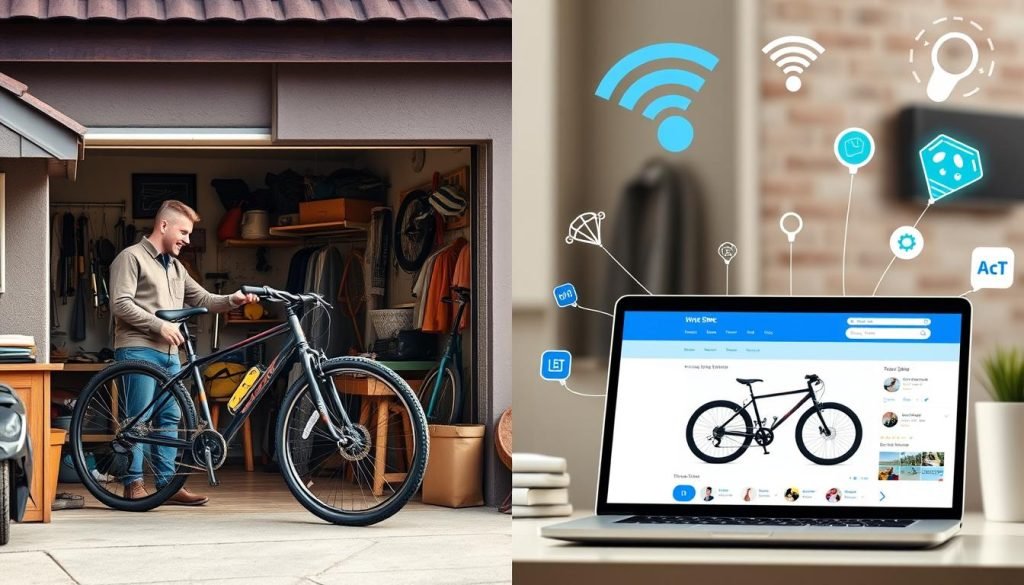
Deciding between selling locally or online can be hard. Where you live affects your choice. It’s important to think about what’s best for you.
Benefits of Selling Locally
Local sales have some big advantages:
- Immediate cash payment
- Face-to-face interactions
- No shipping complexities
- Instant bike inspection by buyer
Risks of Online Transactions
Online sales have their own set of challenges:
- Potential shipping damage
- Payment verification difficulties
- Extended communication processes
- Higher transaction complexity
Digital platforms have transformed how we sell bicycles, offering both opportunities and challenges for sellers.
In Australia, online bike sales can be tricky. Delivery times vary. For example, Bicycles Online claims delivery times of 2 days on the East coast. But, Canyon bikes from Germany might take up to 5 business days for metro deliveries.
Your decision depends on your comfort level, how fast you need to sell, and your ability to handle online or local sale issues.
Utilise Feedback and Reviews
When selling your bike, using buyer reviews and seller feedback can really help. It shows who you can trust. A buyer’s past sales tell you a lot about their reliability.
Online bike sales need smart strategies to check buyers. Here are some ways to find out if a buyer is good:
Checking Online Ratings
- Look at buyer profiles on selling sites
- Find buyers with lots of positive feedback
- Check how many times they’ve bought before
- See how well they’ve interacted with sellers
The Value of Past Experiences
Knowing a buyer’s reputation can keep you safe. Here’s how to do it right:
- Read reviews from different places
- Make sure the records are real
- Talk to other sellers for their views
“Trust is earned through transparency and consistent positive interactions in the marketplace.”
| Review Criteria | Positive Indicators | Warning Signs |
|---|---|---|
| Transaction Volume | Many successful buys | No buys before |
| Seller Feedback | Always high ratings | Some bad or little feedback |
| Communication | Quick and professional | Slow or unclear |
Pro tip: Always trust your instincts and do your homework before selling your bike.
Set Clear Expectations
Selling your bike needs clear communication and good planning. A detailed bike listing attracts serious buyers and makes selling easier. You want to give buyers all the info they need to decide.
Essential Bike Listing Details
When making your bike listing, include these key points. This ensures buyers know what you’re selling:
- Precise bike specifications (make, model, year)
- Frame material and size
- Current condition and maintenance history
- Any modifications or upgrades
- Approximate mileage or usage
Outlining Payment Terms
Clear payment options boost buyer confidence. Think about these terms for your listing:
| Payment Method | Pros | Considerations |
|---|---|---|
| Cash | Immediate transaction | Meet in safe public location |
| Bank Transfer | Traceable transaction | Verify funds before transfer |
| Online Payment Platform | Secure transaction | Check platform fees |
“A detailed listing builds trust and attracts genuine buyers faster.”
Be open about what you expect. Say if the price can be talked about and any sale conditions. Clear expectations help avoid confusion and make selling smoother.
Meet Potential Buyers in Safe Locations
Selling your motorcycle needs careful planning for safety. Picking the right meeting spot is key to avoid risks. It keeps you and the buyer safe.
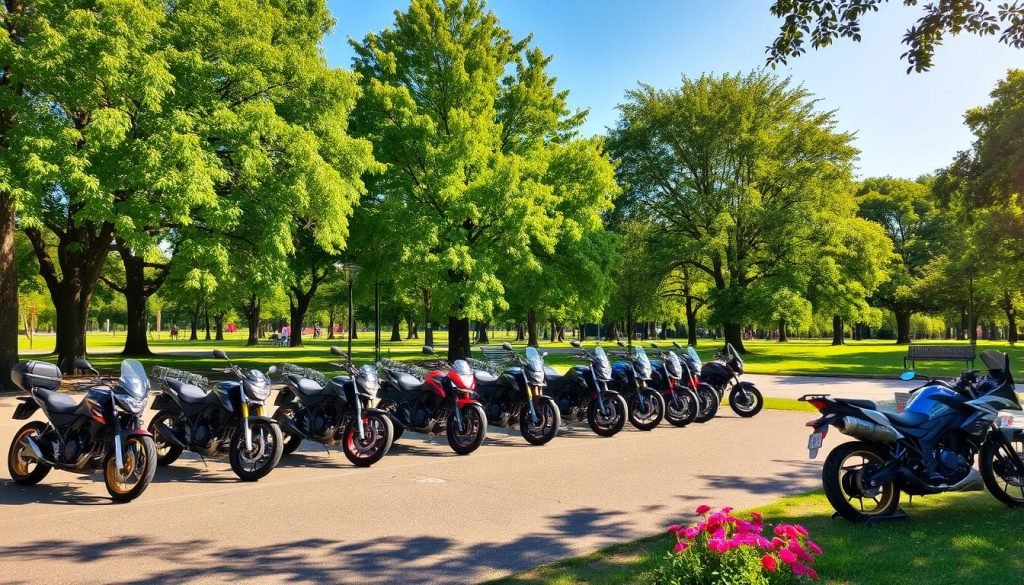
Every year, over 8,000 motorcycles get stolen in Australia. It’s vital to pick safe places for meetings. This can greatly lower security threats.
Ideal Meeting Spots for Bike Sales
- Police station parking lots
- Busy shopping centre car parks
- Well-lit service stations
- Local community centres
- Public libraries with surveillance
Safety Strategies for Transaction Security
When meeting buyers, keep these safety tips in mind:
- Bring a friend or family member
- Meet during daylight hours
- Inform someone about your meeting details
- Keep personal information private
- Trust your instincts about potential buyers
“Your safety is paramount when selling a motorcycle. Always prioritize public locations and personal security.” – Australian Motorcycle Safety Council
Nighttime is riskier for theft, so meet during the day. This ensures better visibility and safety.
Two-thirds of stolen motorcycles are taken from home. By choosing safe spots and following safety rules, you lower theft risks.
Create a Comprehensive Bike Listing
Making a great bike listing can be the key to selling your bike fast. You want to create a detailed and eye-catching listing. This should highlight your bike’s special features and make buyers feel confident.
Essential Details to Include
When listing your bike, give all the details. A good listing should answer every question. Here are the main points to cover:
- Precise bike make and model
- Manufacturing year
- Current mileage
- Maintenance history
- Any modifications or upgrades
- Current condition
“Detailed descriptions of bikes tend to lead to faster sales,” says Theo Golditchuk, CEO of Buycycle.
High-Quality Visual Documentation
Good photos are key to attracting buyers. Take pictures from different angles to show off the bike’s best features and any small flaws. High-quality photos help build trust and show the bike’s true condition.
| Photo Angle | Purpose |
|---|---|
| Full Side Profile | Showcase overall bike design |
| Close-up of Components | Highlight quality and condition |
| Wear and Tear Areas | Demonstrate honesty and transparency |
| Drivetrain | Display mechanical integrity |
If your bike is worth over $2000, think about getting a professional inspection. This increases your chances of a successful sale. It shows the bike is well-maintained to potential buyers.
Follow Up After Initial Contact
Keeping in touch is key when selling your bike. Good follow-up can turn a sale into a success. Or, it can miss the mark.
After you first talk, following up is smart. It shows if the buyer is really interested. Your method should be both professional and friendly.
Gauging Continuing Interest
To see if a buyer is serious, try these tips:
- Send a friendly message within 24-48 hours
- Ask about their bike needs
- Offer more info or clear up doubts
- Highlight the bike’s special features
Clarifying Potential Confusions
Being proactive can avoid misunderstandings. Give a full overview that answers common questions.
| Communication Aspect | Recommended Approach |
|---|---|
| Bike Condition | Share detailed photos and maintenance records |
| Price Negotiation | Be open about your pricing reasons |
| Test Ride Details | Discuss when and where you’re available |
*”Clear communication builds trust, and trust drives successful sales.”*
Keep following up but don’t be too aggressive. It shows you’re serious and professional in finding the right buyer.
Be Prepared to Negotiate
When selling your bike, knowing how to negotiate is key. Find out what the buyer can afford and what the bike is worth. This helps you set a fair price.
If someone wants to pay $250-$275 for a $300 bike, you need smart tactics. You can offer extras or a maintenance promise to sweeten the deal.
Understanding Buyer Concerns
Be clear and polite when negotiating. Show the buyer why your bike is a good deal. Use eBay auction results to back up your price.
Offering cash or paying right away might sway the seller. This can lead to a better deal for both sides.
Finding Common Ground
Know when to say no if the offer isn’t right. Sales at the end of the season or month can be more flexible. Being open to negotiation can make the sale a win-win for everyone.