Ever thought about what really affects your motorcycle’s value when you sell it? The answer is simple: mileage.
Your bike’s odometer reading tells a story. It shows the bike’s history, wear, and how long it might last. Whether it’s a sporty bike or a classic cruiser, knowing how mileage affects its value is key.
Different bikes handle mileage differently. Sports bikes might show high mileage around 20,000 miles. Cruisers and touring bikes can go up to 50,000 miles and more. It’s not just the number, but how well you’ve looked after your bike.
Key Takeaways
- Mileage significantly influences motorcycle resale value
- Different bike types have unique mileage tolerance levels
- Maintenance matters more than pure mileage numbers
- Annual riding average is around 3,000 miles
- Well-maintained bikes can retain value despite higher miles
Understanding the Importance of Mileage
Mileage on a motorcycle is more than just a number. It shows the bike’s history, performance, and value. Knowing how a bike has been used helps when buying, selling, or keeping it in top shape.
Mileage tells us how a motorcycle has been treated over time. Different bikes have their own mileage stories. These stories affect the bike’s condition and worth.
What Is Mileage?
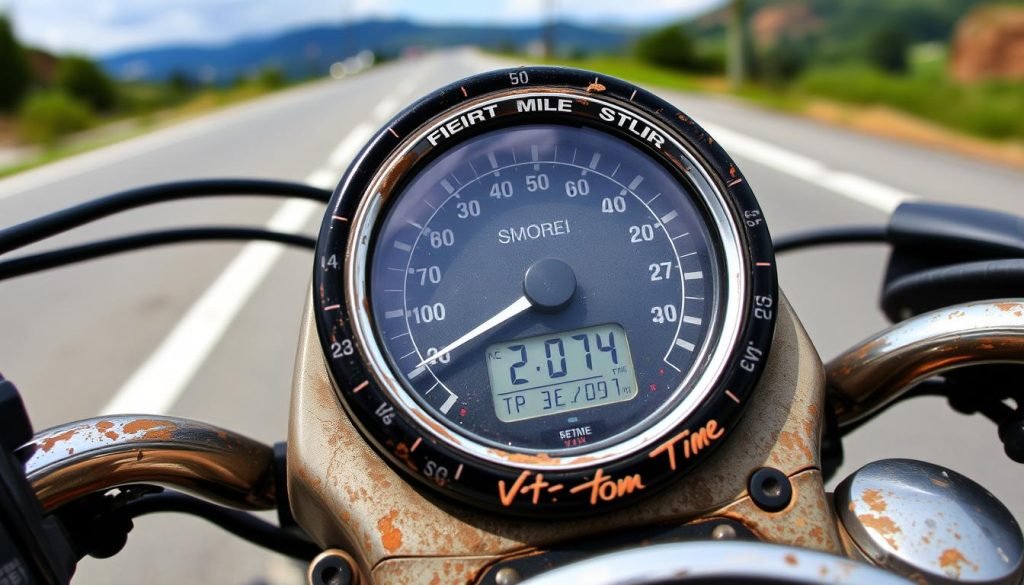
Mileage is the total distance a motorcycle has covered, shown by the odometer. It shows the bike’s wear and tear. This helps buyers understand its condition and how long it might last.
- Cruisers and touring bikes are made for long rides
- Sport bikes usually have lower mileage
- Dirt bikes focus on mechanical health, not just miles
How Is Mileage Measured?
Mileage is tracked by the odometer, showing total kilometres or miles. Unlike cars, motorcycles don’t adjust mileage for pricing. This makes each bike’s history special.
“A motorcycle’s mileage is like its personal biography – telling the story of its adventures and care.”
Each motorcycle type has its own mileage expectations:
| Bike Type | High Mileage Range | Average Annual Kilometres |
|---|---|---|
| Sport Bikes | 20,000-30,000 miles | 3,000 miles |
| Cruisers | 40,000-50,000 miles | 4,000 miles |
| Touring Bikes | Up to 50,000 miles | 5,000 miles |
Knowing your bike’s mileage helps you see its condition, maintenance needs, and resale value. Remember, a well-maintained motorcycle can last well beyond its initial mileage expectations.
How Mileage Affects Your Bike’s Value
Knowing how motorcycle depreciation works is key when selling your bike. The value of your motorcycle isn’t just about its age. It’s also linked to its mileage, the demand in the market, and what buyers think.
Depreciation and Market Trends
Motorcycle depreciation has its own pattern. Modern bikes usually lose value at about 4,000 miles per year. But, not all bikes lose value at the same rate.
The biggest drop in value happens in the first 2-3 years, no matter the mileage.
- High mileage bikes often depreciate faster
- Unusually low-mileage bikes can maintain higher prices
- Market demand changes based on bike type and condition
Buyer Perceptions of Mileage
Different motorcycle types have different mileage limits. Here’s what’s considered high mileage for each type:
| Bike Type | High Mileage Threshold |
|---|---|
| Sports Bikes | 20,000 – 30,000 miles |
| Cruiser Bikes | 40,000 – 50,000 miles |
| Touring Bikes | 50,000 – 100,000 miles |
Nostalgia and brand reputation greatly affect a bike’s market value.
Some brands, like Honda, can go up to 150,000 miles with good care. Custom mods and accessories also change how desirable your bike is and its sale price.
Pro tip: Regular maintenance is crucial to keep your motorcycle’s value up and make it last longer.
The Impact of Mileage on Performance
Knowing how mileage affects your motorcycle is key to keeping it in top shape. As miles go up, your bike’s performance, engine life, and upkeep costs can change.
Different bikes wear out at different rates based on their mileage. Let’s look at how mileage affects your motorcycle.
Engine Wear and Tear
As your motorcycle travels more miles, its engine parts face more stress. The wear pattern differs among bike types:
- Cruisers can usually go 50,000 – 100,000 miles before needing big repairs
- Sport bikes often need a lot of maintenance between 25,000 – 50,000 miles
- Touring bikes are known for lasting 75,000 – 150,000 miles
Maintenance Costs Linked to Mileage
Older motorcycles need more frequent and costly maintenance. Regular check-ups are key to keeping your bike running well and avoiding expensive fixes.
| Motorcycle Type | Estimated Maintenance Costs | Performance Impact |
|---|---|---|
| Cruiser | Moderate | Gradual decline |
| Sport Bike | High | Rapid performance reduction |
| Touring Bike | Low | Consistent performance |
Potential for Mechanical Issues
Proactive maintenance can lower the risk of mechanical problems with high-mileage bikes. Regularly swapping out parts like brakes and chains, and doing engine checks, keeps your bike running great.
“A well-maintained motorcycle can continue delivering exceptional performance well beyond its expected lifespan.”
By tackling mileage-related issues, you can make your motorcycle’s engine last longer and cut down on surprise maintenance costs.
Evaluating Your Bike’s Mileage
Knowing about motorcycle mileage ranges is key when selling your bike. Each bike type has its own value and wear, making it important to evaluate them carefully.
Motorcycle mileage isn’t the same for all bikes. The way a bike wears out affects its value and how well it runs.
Decoding Mileage Categories
Here are some general mileage guidelines:
- Low Mileage: Under 10,000 miles, seen as top quality
- Moderate Mileage: 10,000 to 30,000 miles, good for most bikes
- High Mileage: Over 30,000 miles, might lower resale value
Bike Type Comparisons
Mileage limits change a lot between different motorcycle types:
- Sport Bikes: High mileage around 25,000 miles due to aggressive riding
- Touring Bikes: Can go up to 50,000 miles with good care
- Cruisers: Usually strong, keeps value up to 40,000 miles
- Dirt Bikes: Considered high mileage near 20,000 miles
“A well-maintained motorcycle can outlive its mileage expectations with proper care and attention.”
How often you ride your bike also matters. Most motorcycles travel between 2,000 and 3,000 miles a year. This helps figure out if your bike’s mileage is normal or not.
Maximizing Your Bike’s Value
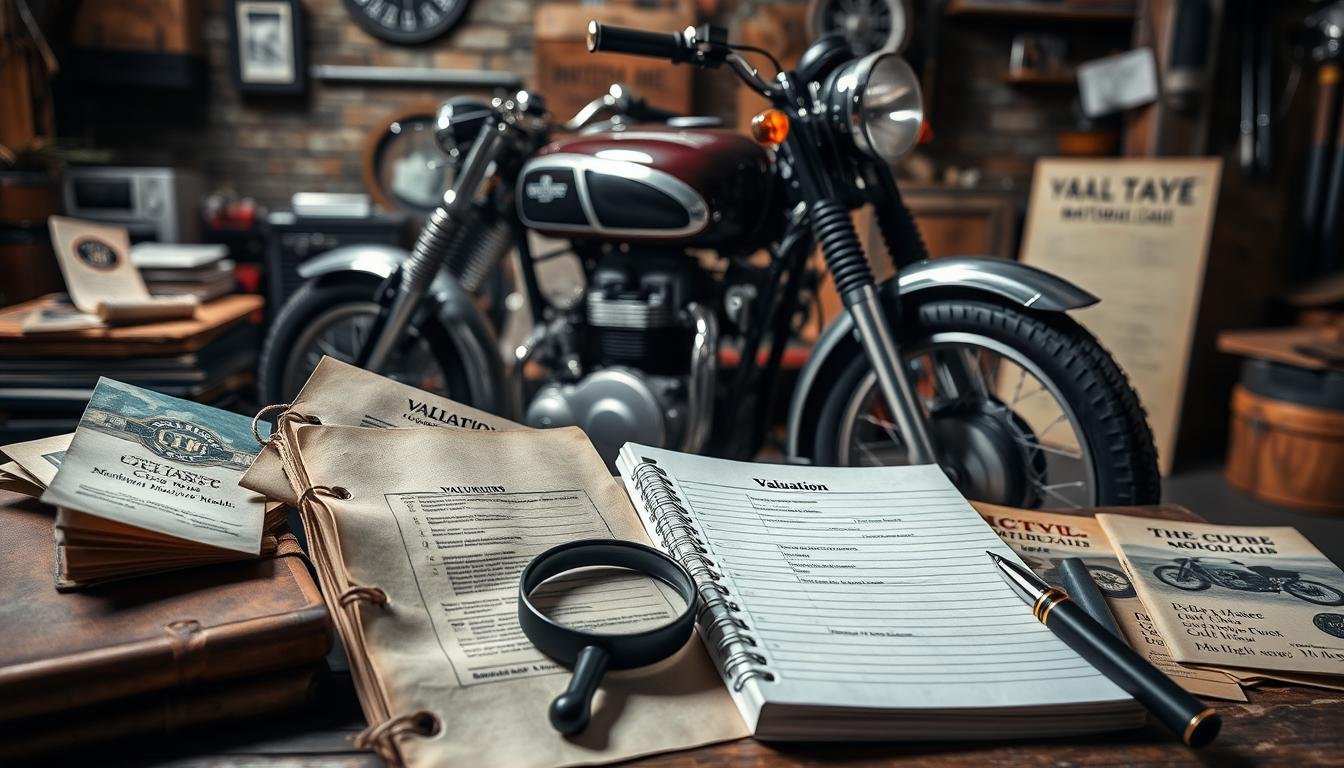
Keeping detailed maintenance records can really help your bike’s value. Buyers like to know about the bike’s history, how it’s been ridden, and how it’s been cared for.
The Role of Service History and Documentation
When you sell your motorcycle, its service history is key. It can really affect its price. Buyers want to see detailed records that show you’ve looked after your bike well.
Keeping detailed records of your bike’s maintenance is smart. It’s not just good practice. It helps protect your bike’s value. Buyers are often willing to pay more for bikes with clear service histories.
Importance of Maintenance Records
Your bike’s service history tells a story. It shows its condition and how long it might last. Good records can help you get a better price, even if your bike has a lot of miles.
- Demonstrate regular professional servicing
- Prove timely oil changes and critical maintenance
- Show investment in your motorcycle’s performance
How Service History Influences Mileage Perception
A well-kept bike with lots of miles can be more valuable than a bike with fewer miles but poor care. Buyers like to see clear evidence of good maintenance.
| Maintenance Aspect | Value Impact |
|---|---|
| Regular Oil Changes | Increases buyer confidence |
| Documented Repairs | Demonstrates proactive maintenance |
| Comprehensive Service Record | Justifies higher asking price |
A meticulously maintained service log can be the difference between a quick sale and a bike that lingers on the market.
When you’re ready to sell, collect all your bike’s documents. This includes receipts, service logs, and repair records. These documents can really boost your bike’s value and make it more attractive to buyers.
Tips for Preparing Your Bike for Sale
Selling a motorcycle needs careful preparation to get the best price. Tips for selling a bike can help you through the process. This way, you can sell your ride for a good price.
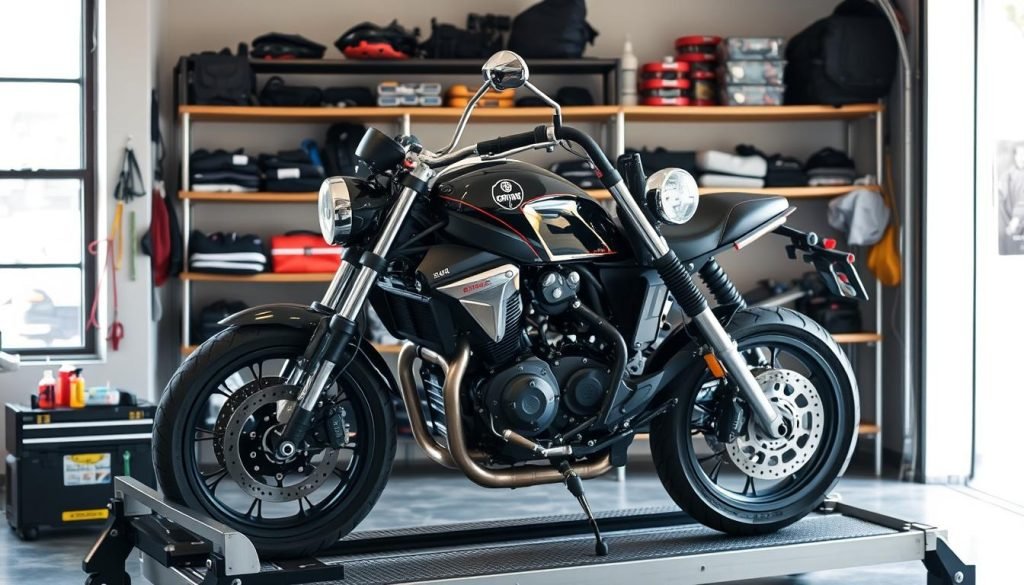
Getting your bike ready is key to making a good first impression. A well-presented motorcycle can help you sell it faster.
Thorough Cleaning and Pre-Sale Inspection
Start by doing a thorough pre-sale inspection. This shows off your motorcycle’s best features. Dealerships know a well-kept bike can keep more of its value.
- Do a detailed wash and detailing (this can add 10% to the sale price)
- Fix any small maintenance issues
- Adjust the throttle, brake, and clutch (this costs nothing)
- Replace the battery if it’s old (this costs about $30)
- Clean or replace the engine air filter (this costs around $15)
Essential Documentation and Maintenance
Having the right documents can make your motorcycle more appealing. Service history that can be verified can lead to better offers.
| Maintenance Task | Estimated Cost | Impact on Sale |
|---|---|---|
| Radiator flush | Less than $20 | Shows you’ve taken good care of it |
| Brake fluid change | Minimal | Recommended if it’s over two years old |
“A well-maintained motorcycle tells a story of careful ownership and attracts serious buyers.”
Buyers like bikes that are in their original condition. Remove any personal touches and make sure everything works well. Paying attention to detail can help attract buyers and get a better price.
Marketing Your Bike Effectively
Selling motorcycles needs smart online listings to grab buyers’ interest. Your ad can make or break the sale. So, it’s key to present your bike well.
Marketing is more than posting photos. You aim to create a detailed, honest listing. This should highlight your bike’s best points and gain trust from buyers.
Creating Standout Online Bike Listings
For effective motorcycle ads, focus on these:
- Accurate mileage details
- Recent maintenance highlights
- Comprehensive service history
- Be open about the bike’s condition
Photography That Sells
Good photos can really help sell your bike. High-quality images tell a story that words cannot.
“A picture is worth a thousand words, in motorcycle sales.”
Take photos of:
- Clear odometer reading
- Close-ups of unique features
- Overall bike condition shots
- Maintenance documentation
Details in listings can boost trade-in value by 42%. With 83% chance of better value, your effort is worth it.
Understanding Your Target Audience
Getting into the used bike market needs a smart plan. You must know who’s looking for what. Each buyer has their own likes and needs for the perfect bike.
Motorcycle fans come in all shapes and sizes. They have different likes and reasons for buying. Knowing what each type wants is key.
Who Buys High-Mileage Bikes?
High-mileage bikes draw certain types of buyers:
- Those on a tight budget looking for deals
- Skilled mechanics wanting a fixer-upper
- Long-distance riders who value reliability in older bikes
These buyers look for:
- A bike’s maintenance history
- Its mechanical state
- The chance to make it their own
Appeal Factors for Low-Mileage Bikes
Low-mileage bikes attract different groups:
| Buyer Type | Preferences |
|---|---|
| Collectors | Near-perfect condition |
| New Riders | Little wear and long life |
| Performance Enthusiasts | New models with little use |
“Knowing who might buy your motorcycle can really help sell it faster and for more.”
Studies show that finding the right buyers quickly can lead to a quicker sale. Getting a pro appraisal and listing your bike well can attract more buyers.
Negotiating the Sale
Selling a motorcycle needs smart pricing and good negotiation skills. Knowing how to price your bike can get you a great deal. Be confident and well-prepared for the sale.
Start bike value negotiation with good market research. Aim for a price that draws in buyers but also protects your investment.
Setting a Competitive Price
When selling used bikes, pricing is key. Use these tips to find your bike’s market value:
- Research local prices for similar bikes
- Think about your bike’s condition and upkeep
- Use online tools to check values
- Get a professional appraisal
Addressing Mileage-Related Concerns
Buyers often worry about mileage. Be ready to talk about it with honesty and proof of good care.
“A well-documented service history can overcome mileage hesitations and boost buyer confidence.”
| Negotiation Factor | Potential Impact |
|---|---|
| Maintenance Records | Increases buyer trust |
| Accessories | Can boost bike’s value |
| Cosmetic Condition | Significant price influence |
Remember, selling used motorcycles is about finding a balance. Be ready to negotiate but know your lowest price.
Closing the Deal
Good bike negotiation takes patience and smart thinking. Emphasize your bike’s good points, be honest about its condition, and stay open to talks.
Finalizing the Sale
Selling your motorcycle needs careful planning and a smart approach. The last steps are key for both the seller and buyer.
Being open is key to a good motorcycle sale. Buyers like sellers who are honest about the bike’s state and history.
Essential Documentation for Seller Responsibilities
Being a seller is more than just giving the keys. You need to prepare a detailed package with:
- Detailed maintenance records
- Original purchase documents
- Service history
- Any warranty details
Closing the Deal Successfully
Transferring bike ownership involves important steps:
- Agree on payment terms early
- Choose a safe payment method
- Finish all transfer paperwork
- Give a detailed bike condition report
*”A transparent sale builds trust and ensures a smoother transaction for both parties.”*
Studies show well-documented bikes can sell for up to 15% more. By following these tips, you’ll increase your sale chances and protect your interests.
| Sale Preparation Step | Key Actions |
|---|---|
| Documentation | Gather all service records and ownership papers |
| Pricing | Use market valuation tools for accurate pricing |
| Communication | Be clear and responsive to potential buyers |
| Payment | Confirm secure payment method before transfer |
A successful motorcycle sale is about gaining trust with your buyer. This is done through being open and well-prepared.
Future Considerations
Thinking ahead for your motorcycle’s long-term value is key. It’s a big investment, and knowing how to keep its value can really help when selling.
- Stick to regular maintenance schedules
- Keep all service records
- Store your bike in the best conditions
- Ride it often to avoid mechanical issues
Impact of Mileage on Future Sales
Mileage is very important for your motorcycle’s value. Bikes that are well looked after can keep up to 70-75% of their original price. So, keeping it in top shape is vital.
| Maintenance Factor | Value Impact |
|---|---|
| Regular Servicing | High Positive Impact |
| Battery Condition | Critical for Resale |
| Cosmetic Condition | Significant Value Influence |
How to Maintain Value Over Time
Keeping your bike in good shape is essential for its long-term value. Joining local motorcycle forums can give you insights into the market. These platforms often attract buyers who are willing to pay more for well-maintained bikes.
A well-documented service history can significantly enhance your motorcycle’s resale potential.
Stay up to date with new tech and market changes that could affect your bike’s value. By following these tips, you’ll be ready to get the best price when selling your motorcycle.
Conclusion: Making Informed Decisions
Selling your motorcycle needs a smart plan. Knowing how mileage affects its value is key. You should think about more than just the kilometres when deciding to sell.
When you’re ready to sell, buyers look at many things. About 70-80% of bike fans check the mileage first. But, the bike’s maintenance history, condition, and service records are also important.
Being open is important when selling your motorcycle. Get all your documents ready, price it right, and find the right buyers. Knowing what affects your bike’s value helps you sell well and get a good price.
Key Takeaways
Before you sell, check your bike’s condition and report the mileage accurately. Set a fair price. Selling with confidence means you’ve done your homework to get the best deal for your bike.