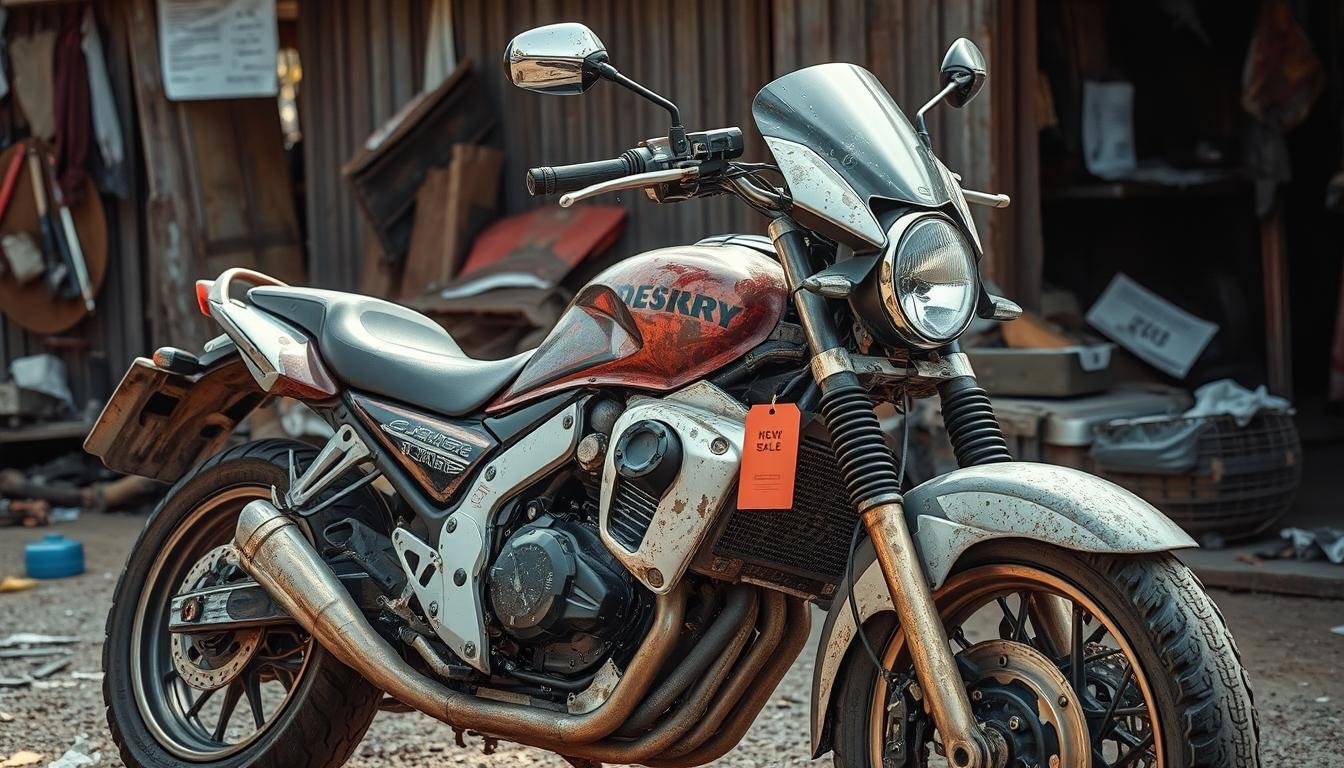
Ever thought about selling your damaged motorcycle in Australia? It might seem tough, but the right steps can help. You can sell your motorcycle after an accident successfully.
A motorcycle accident doesn’t mean your bike’s value is gone. Knowing how to assess motorcycle damage is key. Whether it’s small scratches or big damage, you can still sell it well.
Bikesales is Australia’s top place for selling motorcycles online. It lists almost 12,000 bikes every year. This shows there’s always a buyer for motorcycles, even those with accident history.
Key Takeaways
- Motorcycle accidents don’t necessarily eliminate resale potential
- Thorough damage assessment is critical before selling
- Transparent documentation can help maintain buyer trust
- Professional valuation can provide realistic pricing expectations
- Some damage can be cost-effectively repaired to improve sale prospects
Assess the Condition of Your Motorcycle
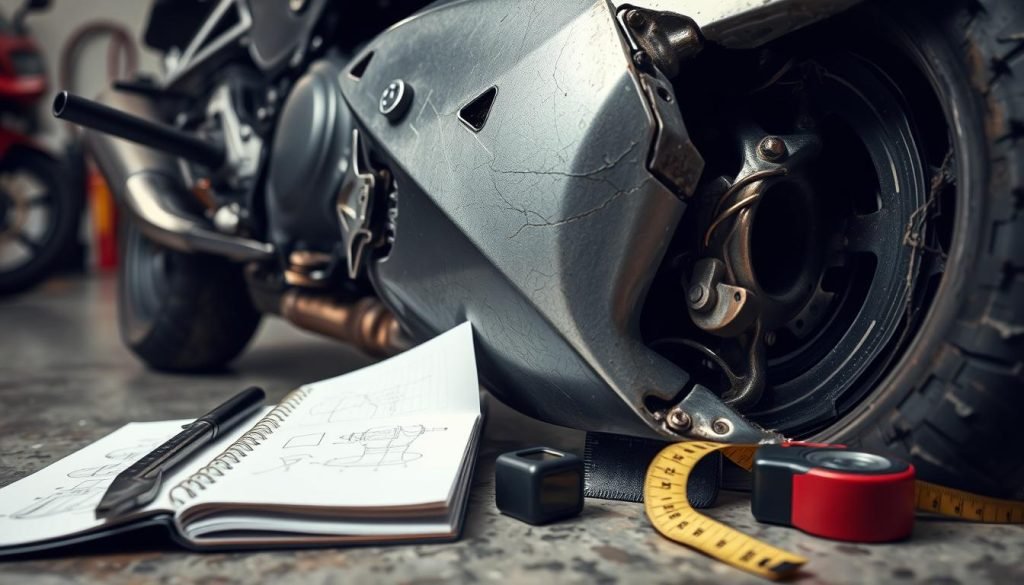
Selling a motorcycle after an accident needs a detailed check-up. Start by looking over the bike carefully. Buyers will check every part closely.
- Do a thorough visual check of the whole bike
- Take clear photos of all damage
- Look at the bike’s structure closely
- Check for any mechanical problems
Examine External Damage
When looking at the bike’s outside, focus on these areas:
- Check if the frame is straight and not bent
- Look for any cracks or damage to the fairings
- Check for scratches and paint issues
- Make sure the wheels and tires are in good shape
*”A detailed damage check shows your bike’s real worth”*
Check for Mechanical Issues
Mechanical problems can really hurt your bike’s sale chances. Look at important parts:
- Check how the engine is doing and its compression
- See if the transmission works right
- Check the brakes to make sure they’re good
- Look at the suspension to see if it’s aligned right
Getting a pro to check the bike’s mechanics can help. It gives buyers more confidence in the bike’s state.
Determine the Saleability of Your Motorcycle
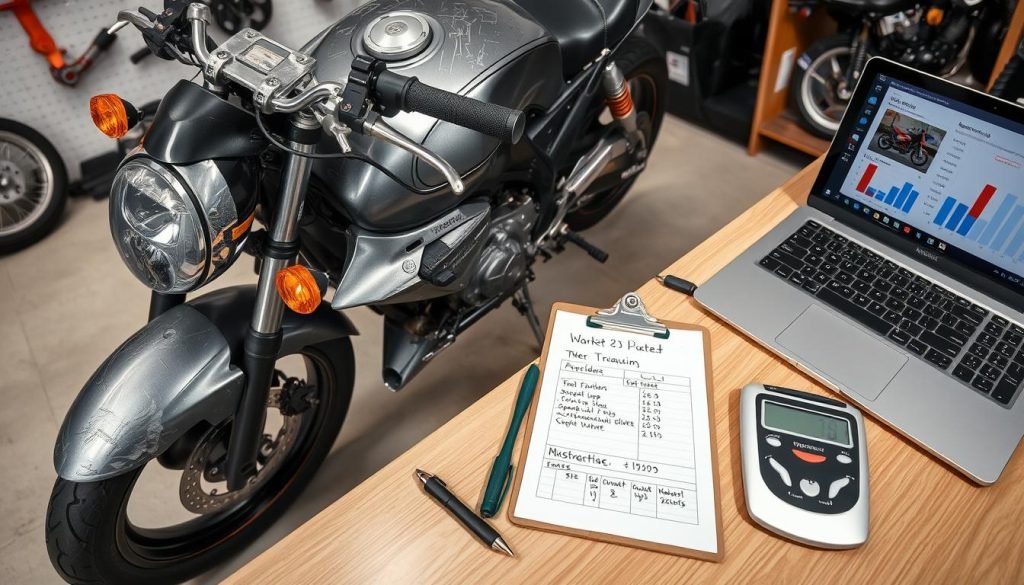
Looking to sell a motorcycle after an accident? Knowing its market potential is key. The demand in the motorcycle market can greatly affect your selling plan and earnings.
- Extent of damage sustained in the accident
- Age and overall condition of the motorcycle
- Original make and model
- Mileage and maintenance history
Understanding Market Demand
A motorcycle’s value drops by 20% right after it’s bought. An accident can lower this value even more. It’s vital to accurately judge your motorcycle’s worth.
“The key is to understand your motorcycle’s true market value, not just its emotional significance.”
Research Comparable Sales
To figure out your motorcycle’s salvage value, look at recent sales of similar damaged bikes. Websites and local dealers can give you insights. This helps you set a price that’s both competitive and fair.
| Damage Level | Estimated Value Reduction |
|---|---|
| Minor Damage | 10-25% |
| Moderate Damage | 30-50% |
| Severe Damage | 50-75% |
By examining these factors, you’ll grasp your motorcycle’s market potential. This knowledge helps you make a smart selling choice.
Gather Important Documentation
Selling a motorcycle after an accident needs careful preparation of your documents. The right paperwork makes the sale smooth and builds trust with buyers.
When selling your motorcycle, getting all your documents is key. You want to show the bike’s history and value clearly.
Obtain the Title
Your motorcycle’s title is the most important document. Make sure it’s clean and free of liens. If it has a salvage title, you’ll face extra challenges:
- Check the title’s current status
- Clear any existing financial obligations
- Look into state-specific transfer rules
Collect Service Records
Service records show the bike’s maintenance history. This gives buyers confidence. Gather:
- Regular maintenance logs
- Repair receipts
- Recent mechanical inspections
“Documentation is the key to transparency in any vehicle sale.” – Australian Vehicle Experts
Review Insurance Details
Your insurance claim process documents are valuable. About 73% of comprehensive insurance policies transfer to the new owner. This can attract buyers.
| Documentation Type | Importance |
|---|---|
| Title | Essential for legal transfer |
| Service Records | Proves maintenance history |
| Insurance Claim Documents | Demonstrates accident transparency |
Pro tip: Organize your documents neatly and be ready to explain any accident-related repairs or modifications.
Get an Accurate Valuation
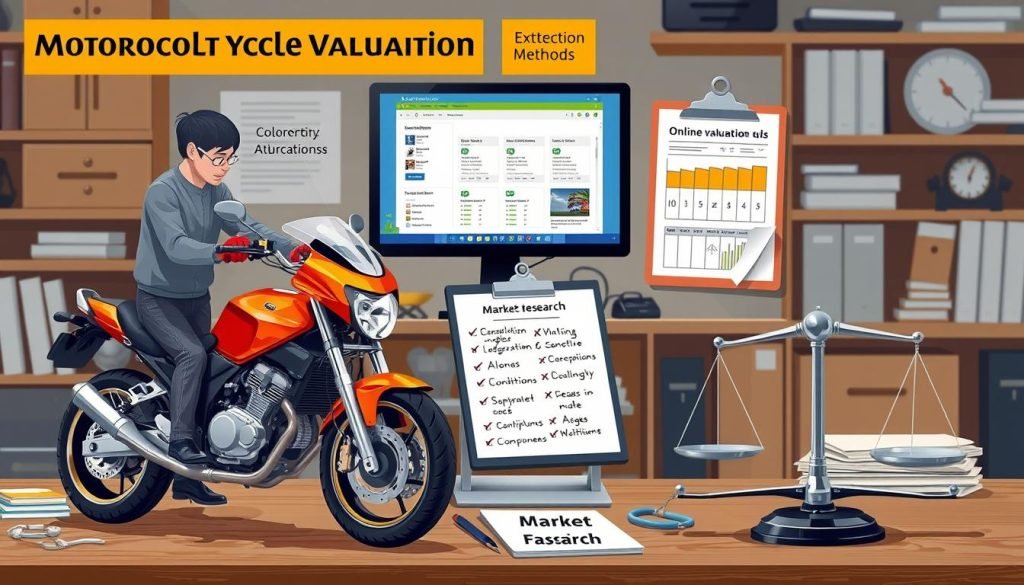
Finding the right value for your damaged motorcycle needs careful research. You should use different methods to get an accurate valuation. This is key when you plan to sell your bike after an accident.
Leverage Online Valuation Tools
Online tools are quick and easy to use for estimating your motorcycle’s value. They look at many factors to give a realistic market price:
- Motorcycle make and model
- Year of manufacture
- Current mileage
- Accident history
- Overall condition
“Fair Market Value represents the price a competent buyer would willingly pay a competent seller, both having reasonable knowledge of all relevant facts.”
Consult Professional Mechanics
Experienced mechanics can give you great insights into your motorcycle’s value. They can check the damage and estimate repair costs. This greatly affects the bike’s market value.
Seek Professional Appraisals
Getting a professional appraisal from motorcycle experts can give you the most accurate estimate. They look at:
- Detailed mechanical inspection
- Market demand
- Repair feasibility
- Potential resale value
In Australia, 1800 Salvage offers top-notch valuation services. They provide fast quotes and clear assessments for damaged motorcycles all over the country.
Also, remember that well-kept motorcycles with full service records usually get better prices.
Make Necessary Repairs
When you’re selling your motorcycle after an accident, smart repairs can really help. Knowing which repairs to invest in is key. This way, you can make choices that save money without sacrificing quality.
First, check the damage and think about the return on investment. Not every repair will add the same value to your motorcycle.
Deciding Cost-Effective Fixes
Look at repairs that boost your motorcycle’s appeal and value. Here are some important areas to focus on:
- Structural integrity checks
- Safety-related component repairs
- Cosmetic improvements
- Mechanical system functionality
Obtaining Repair Quotes
Getting accurate quotes is essential for making good choices. Here’s how to do it:
- Contact multiple reputable motorcycle repair shops
- Request detailed written estimates
- Compare pricing and proposed repair scopes
- Verify technician expertise
“Always get a written cost estimate before authorizing any motorcycle repairs.”
Some small repairs can make a big difference in your motorcycle’s value. Investing wisely in repairs can lead to a higher selling price.
Prepare Your Motorcycle for Sale
When selling a motorcycle, how it looks matters a lot. Even if it has been in accidents, a well-prepared bike can still attract buyers. This is why detailing your motorcycle is so important.
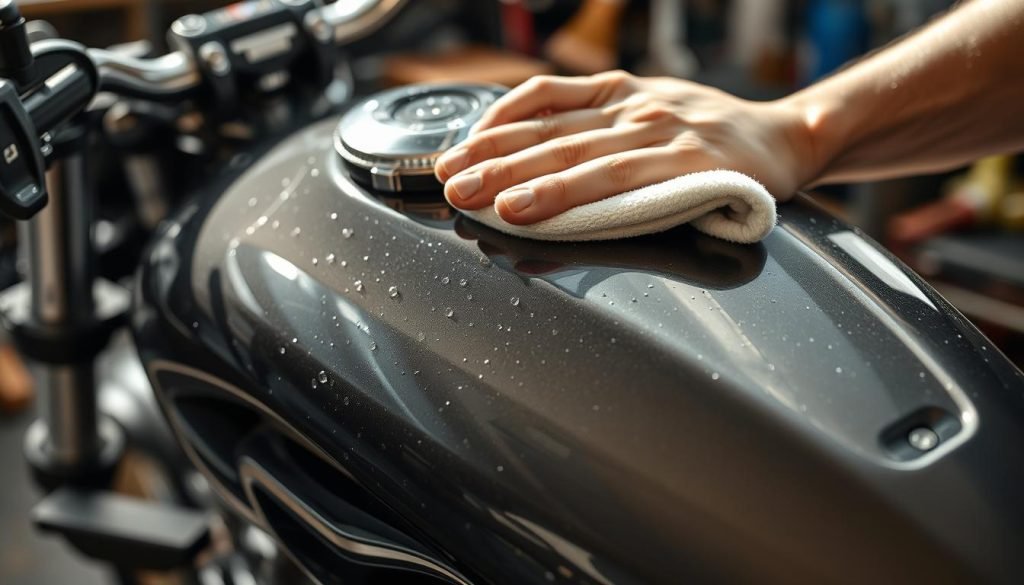
Comprehensive Motorcycle Detailing
Detailing your motorcycle involves several steps:
- Deep clean every surface, including hard-to-reach areas
- Polish chrome and metal components
- Remove all dirt, grease, and road grime
- Address minor scratches and scuff marks
- Ensure mechanical components appear well-maintained
Professional Motorcycle Photography
Good motorcycle photos can really help sell your bike. Here are some tips for taking great photos:
- Choose a clean, neutral background
- Capture multiple angles, including close-ups of key features
- Document any existing damage transparently
- Use natural lighting for best results
*A picture is worth a thousand words* – this is true when selling a motorcycle.
Preparation for Sale Checklist
| Preparation Task | Importance |
|---|---|
| Complete cleaning | High |
| Mechanical inspection | Critical |
| Professional photographs | Essential |
| Repair minor cosmetic issues | Recommended |
By spending time on detailing and photography, you’ll make your motorcycle listing more appealing. This can attract more buyers and possibly increase your bike’s value.
Choose Your Selling Method
Selling a damaged motorcycle needs careful thought. Your choice affects the sale price and your experience. Knowing the pros and cons of each method helps you decide wisely.
Private Sale Strategies
A private sale might get you the best price. You can talk directly with buyers and get a better deal. Here are some tips:
- Describe your motorcycle’s condition accurately
- Price it competitively after researching the market
- Use online sites like Gumtree and Biketrader
- Have all the necessary documents ready
Dealership Trade-In Options
Dealerships make selling easy and quick. Melbourne Motorcycle Wreckers, for example, offers cash and free pickup. The price might be lower, but the process is faster.
| Selling Method | Pros | Cons |
|---|---|---|
| Private Sale | Higher potential price | More time-consuming |
| Dealership Trade-In | Quick transaction | Lower sale price |
| Online Marketplaces | Wider audience reach | Potential listing fees |
Online Marketplaces and Classifieds
Platforms like CycleTrader, eBay, and Facebook Marketplace reach many people. They let you show your motorcycle to more buyers, possibly attracting more interest.
*Pro Tip:* Be honest about your motorcycle’s condition. Include clear, high-quality photos to gain trust from buyers.
Auction Considerations
Auctions are great for unique or rare motorcycles. Specialized auction houses can find enthusiasts willing to pay high prices for special bikes.
Write a Compelling Listing
Creating a great motorcycle listing needs careful planning and detail. You want to grab the interest of potential buyers while being open about your bike’s state.
When making your listing, aim for a detailed and honest view of your bike. Buyers like clear, simple info that helps them decide.
Highlight Key Features
Show off what makes your motorcycle special. Mention specific details that set it apart:
- Detailed performance specs
- Recent maintenance records
- Unique mods or upgrades
- Fuel efficiency
- Suspension details
Transparent Accident Disclosure
Telling the truth about accidents is key when selling a bike. Buyers trust honesty and will thank you for a clear account of any damage and fixes.
“Transparency builds trust. Be upfront about your motorcycle’s history to attract serious buyers.”
Make a detailed summary that includes:
- Exact details of the accident
- Professional repairs done
- Current mechanical state
- Any remaining warranty
| Listing Element | Recommended Action |
|---|---|
| Vehicle Description | Clear, concise, avoiding industry jargon |
| Accident History | Full disclosure with repair details |
| Key Features | Highlight unique selling points |
Remember, a well-crafted listing can significantly improve your chances of selling your motorcycle quickly and at a fair price.
Manage Inquiries and Negotiations
Selling a motorcycle after an accident needs smart inquiry management and negotiation skills. How you deal with potential buyers can make or break your sale.
When you’re in motorcycle sale talks, being quick and open is key. Buyers will ask lots of questions about the bike’s state and accident history.
Responding to Inquiries Effectively
- Reply to messages within 24 hours
- Provide comprehensive and honest details
- Be prepared with documentation
- Have clear photos ready
Developing a Smart Pricing Strategy
Your pricing should match the bike’s market value and its state after the accident. Look at similar sales to set a fair price.
| Negotiation Factor | Recommended Approach |
|---|---|
| Initial Pricing | Set price 10-15% above bottom line |
| Damage Disclosure | Transparent communication of repair history |
| Flexibility | Willing to negotiate within reasonable range |
Successful motorcycle sales depend on clear communication and realistic expectations.
Your aim is to get a good price while keeping the sale smooth and trustworthy. Honest sellers who share their bike’s history win over serious buyers.
Finalise the Sale
Selling your motorcycle needs careful attention to payment and ownership transfer. The final stages are key to a smooth and secure sale.
To wrap up your motorcycle sale, you must follow several important steps. These steps protect you and the buyer.
Accepting Payment Safely
Choosing secure payment methods is vital. Here are some safe options:
- Bank transfer with verified transaction confirmation
- Cashier’s check from a reputable bank
- Electronic payment platforms like PayPal
- Direct bank wire transfer
*Always verify payment authenticity before transferring ownership.*
Transferring Motorcycle Ownership
The ownership transfer process has several key steps:
- Prepare a comprehensive Bill of Sale
- Complete vehicle release of liability form
- Submit necessary paperwork to local Department of Motor Vehicles
- Return license plate to DMV
Studies show sellers who manage these steps well have a 25% higher success rate in selling their motorcycles.
Essential Documentation
Keep copies of all important documents, including:
- Original motorcycle title
- Signed sale agreement
- Payment receipt
- Transfer of registration documents
By following these steps, you’ll ensure a clear and safe selling process for everyone involved.
Post-Sale Considerations
After selling your motorcycle, there are important steps to take. First, manage your insurance cancellation. Contact your provider within 14 days to cancel and get a refund for unused coverage.
It’s also key to give maintenance advice to the new owner. Collect all service records and manuals. These help the new rider understand the bike’s history and care needs.
Cancelling Insurance and E-Toll Accounts
Remove your bike from e-toll accounts and tell transport authorities about the sale. You must submit a Notice of Disposal (NOD) within 14 days. Include the buyer’s details and sale date.
Supporting the New Owner
Share maintenance tips specific to your bike as a good deed. This can build trust and help with future sales. Update your records and keep copies of important documents.