Are you ready to sell your motorcycle but feeling overwhelmed by the paperwork? What critical documents could make or break your bike sale in Australia?
Selling your bike is more than just finding a buyer. You need to understand bike registration papers and ownership transfer documents. This knowledge saves time, avoids legal issues, and makes the sale smooth.
In Australia, selling old bikes requires specific paperwork. This ensures the sale is safe for both the seller and buyer. Your bike’s documents are key, linking you to the new owner.
Key Takeaways
- Gather all original bike registration papers before listing
- Ensure vehicle licence transfer forms are complete
- Prepare proof of identification for official processes
- Maintain comprehensive service and maintenance records
- Check local transport department requirements specific to your state
Understanding the Importance of Documentation
Selling a bike is more than just finding a buyer. It’s about having the right paperwork. Knowing about bike sales contracts and valuations is key.
Why Documentation Matters
Legal safety is the main reason for good documentation. Without it, both sellers and buyers face big risks:
- Potential legal disputes
- Financial liability complications
- Incomplete ownership transfer
“Documentation isn’t just paperwork—it’s your safety net in bike sales”
Common Risks of Missing Documents
Ignoring documentation can lead to big problems in bike sales. Here are some risks:
| Missing Document | Potential Risk |
|---|---|
| Registration Certificate | Legal ownership challenges |
| Service Records | Reduced bike valuation |
| Proof of Ownership | Transaction cancellation |
Your bike sales contracts need to cover everything. Accurate bike valuations depend on clear and complete documentation.
Ownership Proof: Essential Documents
When selling your bike in Australia, having the right documents is key. These documents prove who owns the bike and protect both sides during the sale. They are vital for a smooth transfer of ownership.
Knowing what documents you need helps you sell your bike easily. It also keeps you away from legal trouble.
The Vehicle Title: Your Proof of Ownership
The vehicle title is the most important document for bike ownership. It proves you own the bike legally. When you sell, make sure:
- The title is clean and free from any financial liens
- The title is current and matches your personal identification
- All details are accurate and up-to-date
Purchase Receipt: Transaction Documentation
A detailed purchase receipt or bill of sale is crucial. It’s needed for bike registration papers and legal protection. This document should have:
- Seller’s full name and contact information
- Buyer’s full name and contact information
- Bike’s make, model, and registration number
- Sale price and date of transaction
- Signatures of both parties
“A detailed purchase receipt protects both the buyer and seller during the ownership transfer process.”
| Document | Key Requirements | Importance |
|---|---|---|
| Vehicle Title | Clean, current, matching ID | Legal proof of ownership |
| Purchase Receipt | Detailed transaction information | Protects transaction details |
| Registration Papers | Current and transferable | Enables legal transfer |
Pro tip: Keep digital and physical copies of all bike ownership transfer documents for your records.
Transfer of Ownership Process
Transferring bike ownership might seem hard, but with the right documents, it’s easy. Knowing the steps helps you do it legally and without trouble.
When selling your bike, there are key steps to follow. These ensure a smooth and legal transfer of ownership.
Notification to Relevant Authorities
Telling the right transport authorities is key. You’ll need specific documents to do this.
- Notify the Regional Transport Office (RTO) within 7 days of sale
- Submit all required bike registration papers
- Provide proof of identity and address
- Pay applicable transfer fees
Completing the Transfer Application
The transfer application needs careful attention. Each document is important for legal ownership.
| Document | Purpose | Required |
|---|---|---|
| Original Registration Certificate | Proves current ownership | Yes |
| Sale Agreement | Details of transaction | Yes |
| Insurance Certificate | Verify active coverage | Yes |
| Pollution Under Control Certificate | Emission standards compliance | Yes |
“Proper documentation protects both the buyer and seller in any vehicle transaction.”
Remember, accurate bike ownership transfer documents avoid legal issues. Take your time, check everything twice, and ensure a smooth transfer.
Pre-Sale Checklist for Your Old Bike
When you’re ready to sell your motorcycle, you need to focus on the details. A detailed checklist can make your bike more attractive and increase its value.
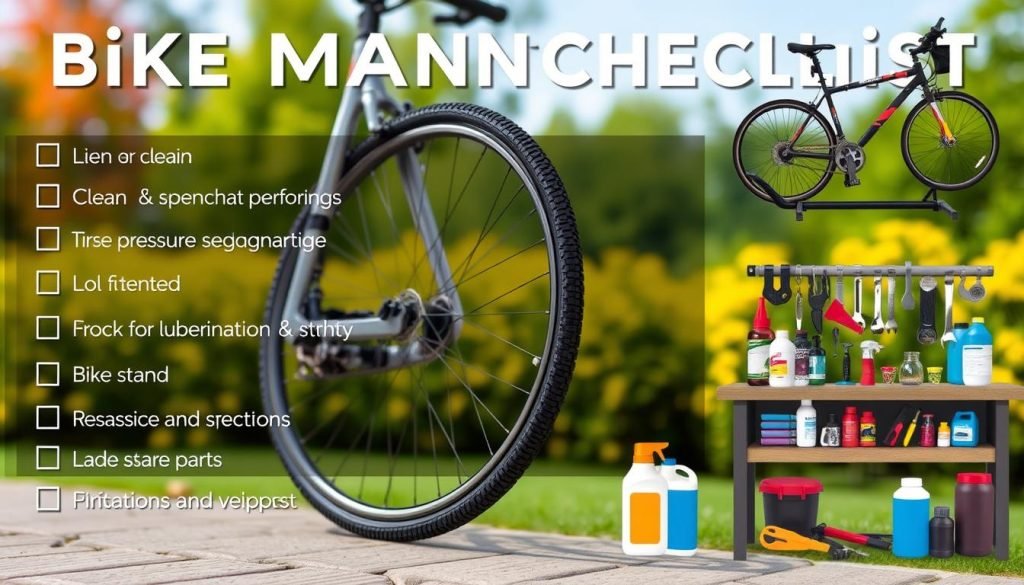
Buyers will look closely at your bike’s history. So, having your maintenance records and registration papers ready is key to a successful sale.
Essential Maintenance Documentation
Showing your bike’s maintenance history shows you’ve taken good care of it. This builds trust with potential buyers. Put together a detailed package that includes:
- Service receipts from authorized mechanics
- Regular maintenance logs
- Detailed repair records
- Past inspection certificates
Original Registration Documents
Your bike’s registration papers prove you own it legally and can transfer it. Make sure you have:
- Current registration certificate
- Proof of most recent registration renewal
- Original purchase documentation
“A well-documented motorcycle tells a story of care and reliability to potential buyers.”
Before you list your bike, fix any small issues to make it more appealing:
- Check and adjust brake and clutch play
- Replace burnt-out light bulbs
- Change engine oil if needed
- Perform a comprehensive mechanical inspection
By showing a well-maintained bike with all the right documents, you’ll draw in serious buyers. This could help you get a better price for your bike.
Identification Requirements for Sellers
When selling your bike, it’s important to have the right ID. This makes the sale smooth and legal. Knowing what documents you need helps protect you and the buyer.
Having the right documents makes the sale process clear and trustworthy. This is true for both motorcycles and bicycles.
Personal Identification Verification
Sellers need to show strong proof of identity when handing over bike registration papers. Here are the documents you’ll likely need:
- Valid Australian driver’s licence
- Current passport
- Government-issued photo identification
Vehicle Identification Number (VIN) Documentation
The Vehicle Identification Number is key to proving your bike’s realness. Here’s what you should know about VIN documents:
| VIN Verification Requirement | Details |
|---|---|
| Location of VIN | Frame or registration papers |
| Verification Process | Physical inspection or online check |
| Purpose | Confirm bike’s identity and ownership history |
“A clear VIN helps build trust with potential buyers and streamlines the sales process.”
To get a good bike valuation, collect all important documents. They show your bike’s condition and who owned it. This makes buyers more confident and makes selling easier.
Emission and Safety Compliance
When selling your motorcycle, knowing about emission and safety rules is key. The Australian market has over 678,000 registered bikes. It follows strict safety standards.
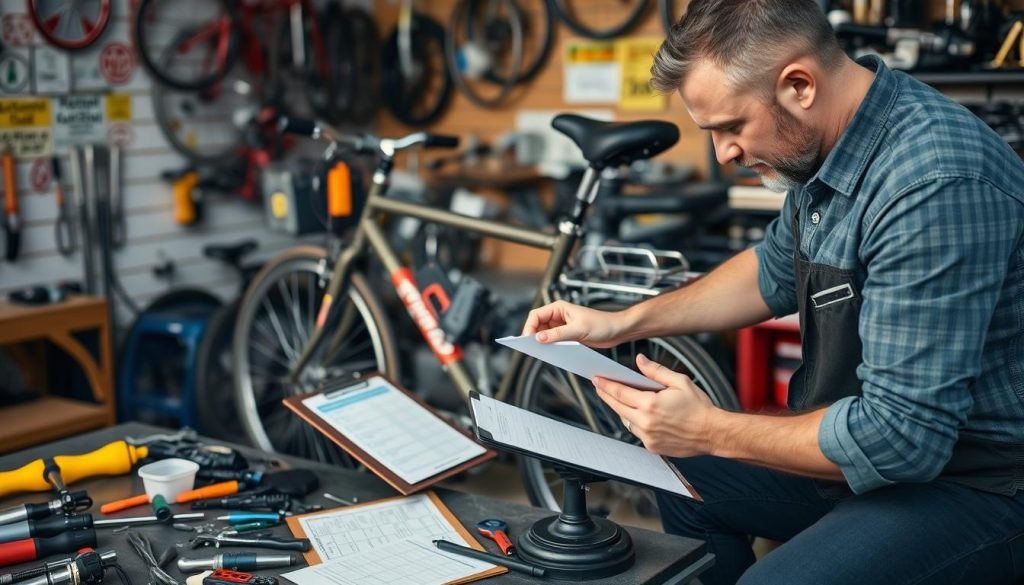
Make sure your bike meets safety and emission standards. This can boost its resale value and attract buyers.
Emission Certificates: Proving Environmental Compliance
Bike safety certificates show your motorcycle’s green credentials. Australian Design Rules (ADR) outline noise and emission rules based on engine size:
- Motorcycles under 125cc must meet 82dBA noise level limits
- Bikes between 125cc and 500cc have a 84dBA noise threshold
- Older bikes are capped at 100dBA noise levels
Safety Inspection Reports: Ensuring Roadworthiness
Bike modification approvals are vital for safety and legal proof. A detailed safety inspection report should include:
- Brake system condition
- Tire wear and pressure
- Structural integrity
- Lighting and electrical systems
*Pro Tip: Keep all documentation of modifications and safety checks to enhance your bike’s marketability.*
| Inspection Area | Compliance Requirement |
|---|---|
| Noise Levels | Meet ADR 83/00 Standards |
| Modifications | Require Official Approvals |
| Safety Checks | Comprehensive Inspection Report |
By keeping detailed records of your bike’s safety and emission compliance, you’ll gain buyer trust. This could lead to a higher sale price.
Preparing for the Sale: Additional Documents
When you sell your bike, having the right documents can really help. It can make your bike more appealing to buyers. It shows you’ve taken good care of it and builds trust.
Warranty Papers: Protecting Your Sale
Vintage bikes usually lose their warranty after three years. But, if you have valid warranty papers, you might get a better price. Buyers like to know about:
- Remaining warranty periods
- Manufacturer’s original coverage details
- Transferable warranty conditions
Service History Documentation
Keeping detailed records of your bike’s maintenance is key. It shows your bike is well cared for. This can make it more attractive to buyers and help you ask for a higher price.
“A well-documented service history speaks volumes about a bike’s care and condition.”
Your documents should include:
- Regular service receipts
- Repair invoices
- Bike insurance policies
- Component replacement records
Buyers will thank you for clear, detailed records. It shows your bike’s history and condition.
Options for Selling: Where to Submit Documents
Selling your bike needs careful thought about where to send your documents. Knowing your options helps you deal with bike sales contracts and valuations better.
When you’re ready to sell your motorcycle, you’ll find many places to send your documents in Australia. Each place has its own rules and benefits.
Online Marketplaces: Digital Selling Strategies
Online marketplaces make selling your bike easy. They ask for certain documents to list and transfer ownership:
- Comprehensive vehicle history documentation
- Clear ownership proof
- Maintenance records
- High-quality photographs
Dealership Sales: Professional Channels
Dealerships are another way to sell your bike, but they need more detailed documents. They do thorough valuations and want all your paperwork.
| Selling Channel | Document Requirements | Potential Value Retention |
|---|---|---|
| Online Marketplaces | Flexible, self-managed | 90-100% of bike’s value |
| Dealerships | Strict, professional | 50-90% of bike’s value |
“Thorough documentation is your best asset when selling a motorcycle.”
Dealerships usually keep 10% to 50% of a bike’s value. Selling privately can get you more money since you avoid middleman costs.
Preparing Your Documentation
Make sure you have all the bike sales contracts and valuation documents ready. This includes:
- Original registration documents
- Service history
- Ownership transfer forms
- Personal identification
By knowing these selling channels and preparing well, you’ll increase your chances of a successful and profitable bike sale.
Final Steps Before Completing the Sale
Before you sell your bike, make sure to check all the transfer documents carefully. This step is vital to avoid any legal issues later on. It ensures the sale goes smoothly and protects both you and the buyer.
Make sure you’ve got all the tax receipts and transfer papers sorted. Both you and the buyer should have signed the important documents. Keeping copies of these for yourself is a good idea. It helps in case of any future questions.
Don’t forget to cancel your motorcycle insurance and tell the transport authorities about the sale. This step removes your name from the vehicle registration. It shows you’re selling responsibly and protects you after the sale.
Your last task is to confirm the buyer has all the documents needed to register the bike in their name. Giving them a full set of paperwork, including service history, can make them more confident. It might even make your bike seem more valuable.