Thinking about selling your old bike? Wonder if it will get a good price? Before you sell, make sure you’re ready to get the best deal.
Selling a bike is more than just posting an ad. You need to do some bike maintenance and check its parts. This can really affect how much you’ll get for it.
Knowing your bike’s condition well can make a big difference. Good preparation attracts serious buyers and helps you get a fair price.
Key Takeaways
- Thoroughly inspect every component before listing
- Clean and detail your bike to increase appeal
- Understand the market value of your specific model
- Gather all maintenance documentation
- Identify and highlight unique selling points
Assessing the Overall Condition of Your Bike
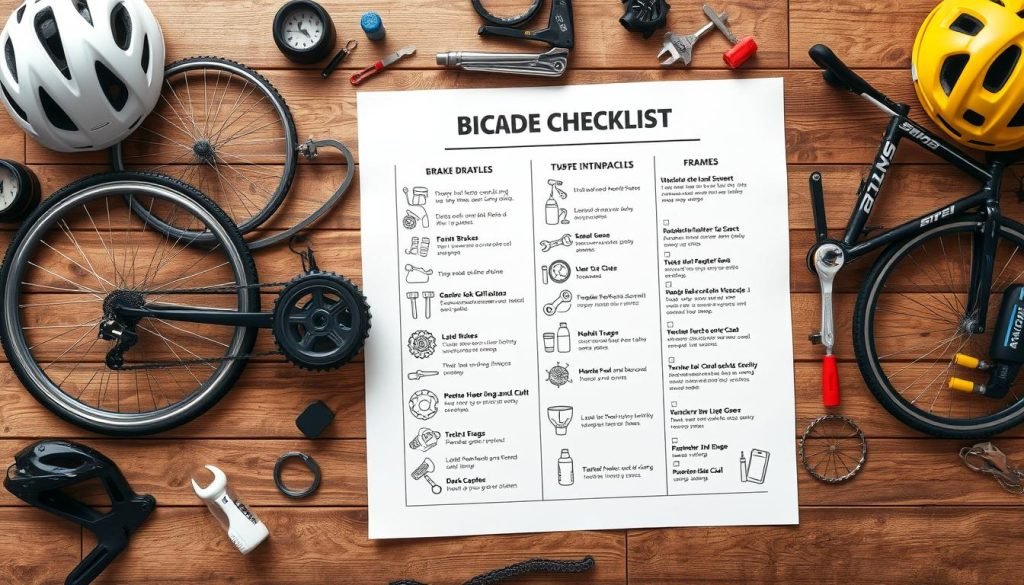
When you’re ready to sell your bike, a detailed check is essential. A thorough inspection of bike parts can boost your selling price. It also draws in more buyers. The state of your bike shows its worth and history.
Frame Integrity Assessment
The frame is the heart of your bike. Look for:
- Visible cracks or structural damage
- Rust patches or corrosion
- Dents or significant paint chips
- Alignment issues
“A well-maintained frame can make or break a bike’s resale value.”
Wheel and Tire Examination
Wheels are key for safety. Spin each wheel to check for:
- Smooth rotation without wobbling
- Tire tread condition
- Potential punctures or sidewall damage
- Spoke tension and alignment
Brake and Gear Performance
Test the drivetrain and brakes well. Look for:
- Smooth gear shifting
- Brake pad wear
- Chain and cassette condition
- Derailleur alignment
A detailed check makes your bike look reliable and well-kept. This increases your sale chances.
Gathering Necessary Documentation
Getting the right documents can really help your bike’s value when you sell it. Showing off your bike’s maintenance records shows you’ve taken good care of it. This is something buyers will appreciate.
When you’re selling your bike, it’s key to have all the right documents. Buyers like to know the bike’s history and condition. It makes them feel more confident in their purchase.
Title and Ownership Papers
First, you need to gather all the papers that prove you own the bike:
- Original purchase receipt
- Proof of ownership certificate
- Vehicle registration documents
- Notice of Disposal (NOD) form
Pro tip: Keep these documents organized and easily accessible to build buyer confidence.
Service History and Maintenance Records
Having detailed maintenance records can make your bike seem more valuable. Collect all the papers that show you’ve looked after your bike well:
- Service receipts
- Repair invoices
- Replacement part records
- Upgrade documentation
| Document Type | Importance | Impact on Valuation |
|---|---|---|
| Original Receipt | Verifies Age and Origin | High |
| Service Records | Demonstrates Care | Medium-High |
| Upgrade Receipts | Highlights Improvements | Medium |
Note: Comprehensive documentation can potentially increase your bike’s sale value by up to 10-15%.
Cleaning and Preparing Your Bike for Sale
Getting your bike ready for sale is key to getting a good price. Doing pre-sale bike tune-ups makes your bike look better and more appealing. A bike that looks well cared for can sell for more.
Washing and Detailing
Start with a deep clean to make your bike stand out. Here’s how to get it sparkling:
- Use warm water and mild detergent to remove dirt and grime
- Clean hard-to-reach areas like derailleur pulleys and brake calipers
- Dry the bike completely to prevent rust
- Use a silicone spray for additional shine
“A clean bike tells potential buyers you’ve taken good care of your machine.” – Cycling Australia
Polishing and Minor Repairs
Small repairs can make a big difference in your bike’s value. Focus on these areas for your pre-sale tune-ups:
- Tighten loose bolts and components
- Lubricate the chain
- Inflate tyres to correct pressure
- Replace worn grips or bar tape
| Repair Area | Estimated Cost | Impact on Sale |
|---|---|---|
| Chain Lubrication | $5-$10 | High |
| New Bar Tape | $10-$15 | Medium |
| Tyre Inflation | Free | High |
Getting a professional to check your bike can also increase its value. Buyers like a bike that’s been serviced and is ready to go.
Determining the Right Selling Price
Setting the right price for your used bike can be challenging. The value depends on several factors that affect your bike’s worth. You want to price it competitively to attract buyers and get a fair deal.
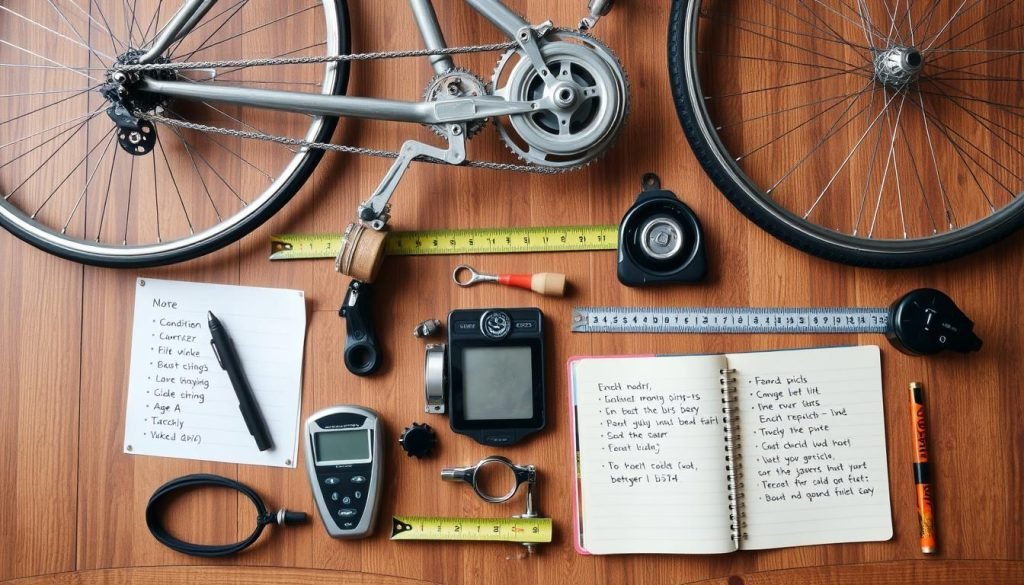
- Original purchase price
- Current bicycle condition
- Brand reputation
- Mechanical integrity
- Local market demand
Researching Comparable Models
Begin by looking at bikesales.com.au. Compare bikes similar to yours to find out what they’re worth. Use RedBook to estimate your bike’s value based on its make, model, and year.
“A well-researched price reflects your bike’s true value and attracts genuine buyers.”
Understanding Local Market Trends
Local market trends are key in valuing used bikes. Several factors can affect prices:
- Seasonal variations in bike demand
- Local cycling community preferences
- Availability of similar models
| Pricing Factor | Impact on Value |
|---|---|
| Age | Significant depreciation |
| Maintenance History | Increases potential value |
| Brand Reputation | Higher resale potential |
| Upgrades | Can boost selling price |
Remember, emotional attachment doesn’t translate to monetary value. Be fair when pricing your bike. Price it slightly above the middle of similar bikes, considering its condition.
Identifying Key Selling Points
When selling vintage bicycles, knowing your bike’s special features can really help. Your cycling gear assessment should point out what makes your bicycle unique.
Buyers look for standout features that make a bike special. Take the time to list your bike’s best qualities.
Notable Upgrades and Accessories
Some upgrades can greatly increase your bike’s value. Here are some key ones:
- Proprietary headset bearings (worth up to $200)
- Internal cable routing
- High-end tubeless-compatible components
- Custom handlebar/stem combinations
“The right accessories can transform a standard bicycle into a collector’s dream.” – Cycling Enthusiast Magazine
Unique Features and Specifications
Your bike’s specs can be a big selling point. Focus on these important details:
- Frame material and condition
- Compatibility of components
- Rare or vintage design elements
- Recent maintenance history
Be open about your bike’s condition. Honesty builds trust with potential buyers and can help you get a good price.
Pro tip: Highlighting special parts like integrated seat posts or unique frame shapes can help you ask for a higher price.
Advertising Your Bike Effectively
Selling your bicycle needs smart marketing to grab buyers’ interest. Learning how to sell bikes well can really help. You need to pick the best places to sell and make ads that stand out.
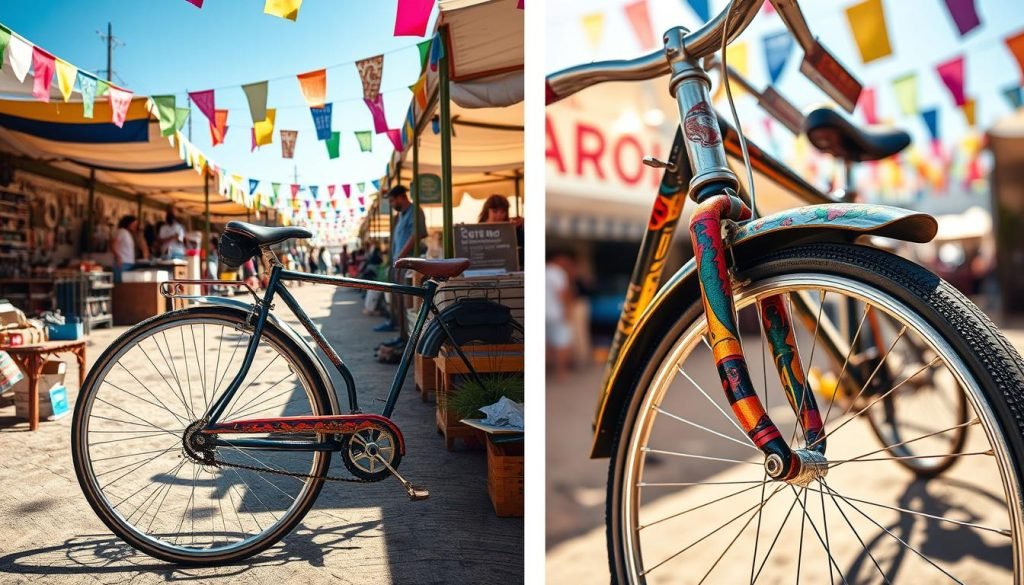
Choosing where to sell is key. You should look at different options to get your bike seen by more people:
- Facebook Marketplace (free local listing)
- Craigslist (wide regional reach)
- Specialized cycling forums
- eBay (global buyer pool)
- The Pro’s Closet (professional resale platform)
Crafting the Perfect Bike Listing
Your ad’s success depends on photos and description. Most bike ads fail because of bad photos. Good photos can really boost your sale chances.
Photography Best Practices
- Capture multiple angles (side, front, rear)
- Photograph key components like derailleurs and wheels
- Use natural, uncluttered backgrounds
- Include 8-10 high-resolution images
- Highlight any unique features or upgrades
“A picture is worth a thousand words, when selling a bicycle.”
When writing your description, be honest about the bike’s state and specs. Mention any small flaws. Talk about the bike’s material, brands, and upkeep to make buyers feel sure.
Pricing and Positioning
Do your homework on similar bikes to price right. Before COVID, start at 40-50% of the original price. Be ready to talk price, but know your bike’s worth.
Negotiating with Potential Buyers
Selling your used bike needs smart negotiation skills. Figuring out its value can be hard, but the right strategy helps. Tips for selling bikes are key to getting a good price.
Get ready for talks by knowing your bike’s real worth. Studies say the average bike price is about $300. Buyers often want to pay less, around $250-$275.
Setting Your Minimum Acceptable Price
Decide on your lowest price before talking to buyers. Think about these points:
- Original purchase price
- Current bike condition
- Upgrades and accessories
- Market demand for your specific model
Handling Buyer Objections Like a Pro
“Knowledge is power in bike negotiations. Be prepared, be confident.”
Good negotiation tactics include:
- Stay calm and professional
- Provide detailed information about the bike’s history
- Be ready to justify your asking price
- Know when to compromise
The aim is a fair deal for both sides. Stay flexible but firm in your valuation approach. Your confidence and prep will help you handle objections well.
Understanding Legal Obligations
Selling a vintage bicycle is more than just finding a buyer. You must follow legal steps for a smooth sale. It’s important to do safety checks on the bike to protect both you and the buyer.
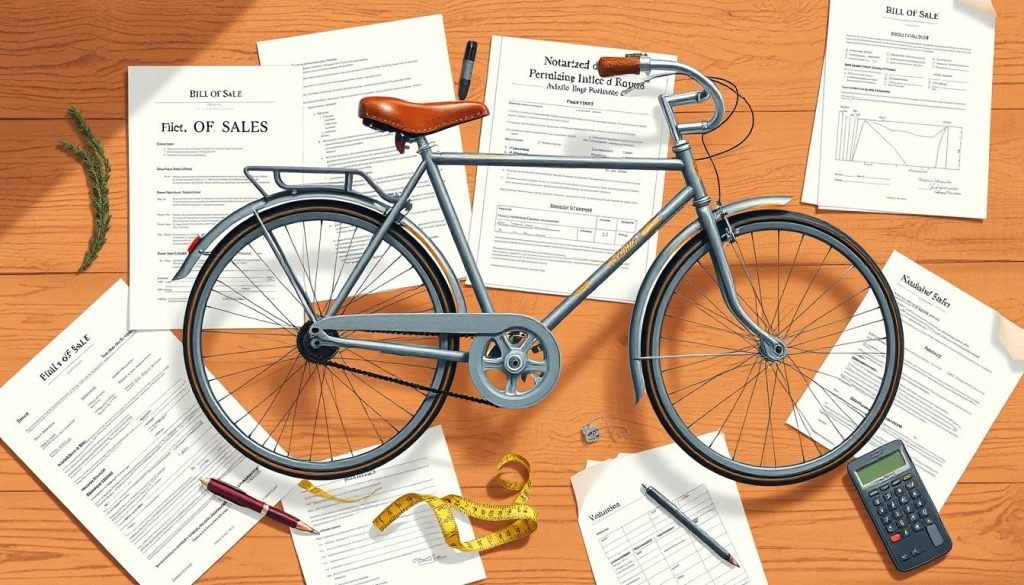
When you sell your bike, you need to think about several legal things. Australian laws help protect both sellers and buyers in private sales.
Transfer of Ownership Procedures
Transferring ownership needs careful steps. Here’s what you must do:
- Make a detailed bill of sale for the sale
- Give all important papers about the bike’s history
- Make sure the bike is safe to use
- Fill out a transfer form if local laws say so
Insurance and Legal Protections
“Protecting yourself legally is as important as ensuring the bicycle’s mechanical condition.”
Even without many guarantees in private sales, you still have to:
- Tell about any bike problems you know of
- Check the bike isn’t owed money by anyone
- Give true info about the bike’s state
Selling vintage bikes means being open and honest. Laws say you must be truthful, even in private sales. Keep good records of the sale to avoid future problems.
Protecting Yourself Against Scams
When selling your bicycle, it’s important to watch out for scams. The online world of selling bikes can be full of tricks. Scammers are always coming up with new ways to trick people.
Identifying Red Flags in Buyers
Here are some warning signs to look out for:
- Buyers who don’t want to meet in person
- Offers that are way too low
- Requests for your bank details
- Pressure to sell fast
- Won’t talk on the phone
“Trust your instincts. If a deal seems too good to be true, it probably is.”
Secure Payment Methods
Use safe ways to pay when selling your bike:
- Prefer cash
- Use secure online payment systems
- Stay away from cheques and money orders
- Meet in public, well-lit places
- Check the payment before handing over the bike
Your safety is the most important thing when selling a bike online. Always choose safe, clear transactions that protect you and the buyer.
Preparing for the Sale Day
Your last-minute preparations can greatly affect the sale. Do a final bicycle safety check to make sure everything is ready. Also, review all documents like service records and ownership papers. Have them organised for the buyer to see.
Final Checks Before the Meeting
Check your bike’s important parts one last time. Make sure the tyres are at the right pressure and brakes work well. Also, ensure all parts are clean and well-lubricated. In Australia, buyers value detail, so a good safety check can increase your sale price.
What to Bring Along for the Sale
Bring a small toolkit for any quick fixes, your ID, and all important papers. Have a clear sales agreement ready and be prepared to talk about the bike’s maintenance. Remember, 85% of buyers want to see original documents, so being organised shows you’re professional and trustworthy.
Be ready to show off the bike’s features and let the buyer test ride it in a safe place. Pick a public spot for the meeting, only accept secure payments, and keep communication clear. Your hard work will help you sell your bike successfully.