Ever thought about turning your old motorcycle into cash? It’s not just about cleaning it. It’s a smart strategy that can really increase what you sell it for.
In Australia, the market for used motorcycles is growing. People are seeing the value in buying pre-owned bikes. How you sell your bike can make a big difference in the offer you get.
Knowing how to prepare your bike is crucial. By understanding what affects its value, you can make it more appealing to buyers. This can help you earn more from your sale.
Key Takeaways
- Thoroughly document your motorcycle’s maintenance history
- Clean and repair minor aesthetic imperfections
- Research current market values for your specific model
- Maintain original components where possible
- Choose the right selling platform for maximum exposure
Understanding the Used Motorcycle Market
Exploring the used motorcycle market needs smart insights into trends and prices. The Australian motorcycle scene keeps changing. Certain factors shape sales and costs of owning a bike.
Motorcycle market trends show interesting changes that affect how you sell. Recent data points out key points:
- Motorcycles keep about 61% of their value after three years
- Bikes with service records can sell for up to 20% more
- Clean titles can raise resale prices by about 15%
Current Trends in Motorcycle Sales
Motorcycle pricing strategies have changed a lot lately. Buyers now look for:
- Bikes that use less fuel
- Adventure and versatile models
- Models with lower maintenance costs
Key Factors Influencing Prices
Knowing what affects motorcycle prices is crucial. It involves looking at several factors that change market value:
| Factor | Impact on Price |
|---|---|
| Mileage | Significant depreciation |
| Maintenance History | Up to 10% value increase |
| Storage Conditions | 12% price premium for indoor storage |
“Proper maintenance and strategic presentation can substantially influence your motorcycle’s market value.” – Motorcycle Industry Experts
By grasping these market dynamics, you can place your motorcycle well. This helps you get the best cash offer.
Preparing Your Motorcycle for Sale
To get your motorcycle ready for sale, you need a solid plan. A good condition assessment can really boost the price you get. It’s all about making your bike look its best.
There are key steps to take when selling your motorcycle. These steps help attract serious buyers and get you the best offer.
Comprehensive Cleaning Strategies
A clean motorcycle makes a great first impression. Here are the main cleaning areas to focus on:
- Thoroughly wash the entire motorcycle
- Polish chrome and metal surfaces
- Clean and condition leather components
- Remove all dirt and grime from hard-to-reach areas
Essential Maintenance Checks
Buyers will check your motorcycle’s condition closely. Make sure to address these maintenance points:
- Check and replace worn brake pads
- Verify tire tread and pressure
- Test and replace weak battery
- Ensure all electrical components function correctly
Documenting Motorcycle Maintenance Records
“A well-documented maintenance history can increase buyer confidence and potentially boost your motorcycle’s resale value.”
Keep your maintenance records to show your bike has been well cared for:
| Maintenance Item | Last Serviced | Impact on Value |
|---|---|---|
| Oil Changes | Within Last 3 Months | High |
| Brake System | Annually | Medium |
| Tire Replacement | As Needed | High |
Pro tip: Keep all service receipts and create a detailed maintenance log to showcase your motorcycle’s care history.
Gathering Documentation for Sale
Selling your motorcycle needs careful planning, starting with the documents. The right paperwork can make buyers more confident and might even raise your price.
Having all your documents ready shows you’ve looked after your bike well. Buyers look for signs that the bike has been well cared for.
Importance of Service History
Your bike’s service history is very important when selling. It helps show the bike’s condition and performance over time. You should gather:
- Regular maintenance receipts
- Oil change logs
- Repair documentation
- Part replacement records
“A well-documented motorcycle tells a story of careful ownership and consistent maintenance.”
Registration and Insurance Papers
Having all your registration and insurance papers ready makes selling easier. Make sure you have:
- Current registration certificate
- Proof of insurance
- Original purchase documents
- Comprehensive service records
Showing a complete set of documents shows you’re serious and professional. This can attract buyers who value a well-kept bike.
Setting the Right Price
Finding the perfect price for your motorcycle is more than just a guess. It’s about knowing the market, your bike’s condition, and how to price it right. This mix of knowledge and strategy is what makes pricing a motorcycle an art.
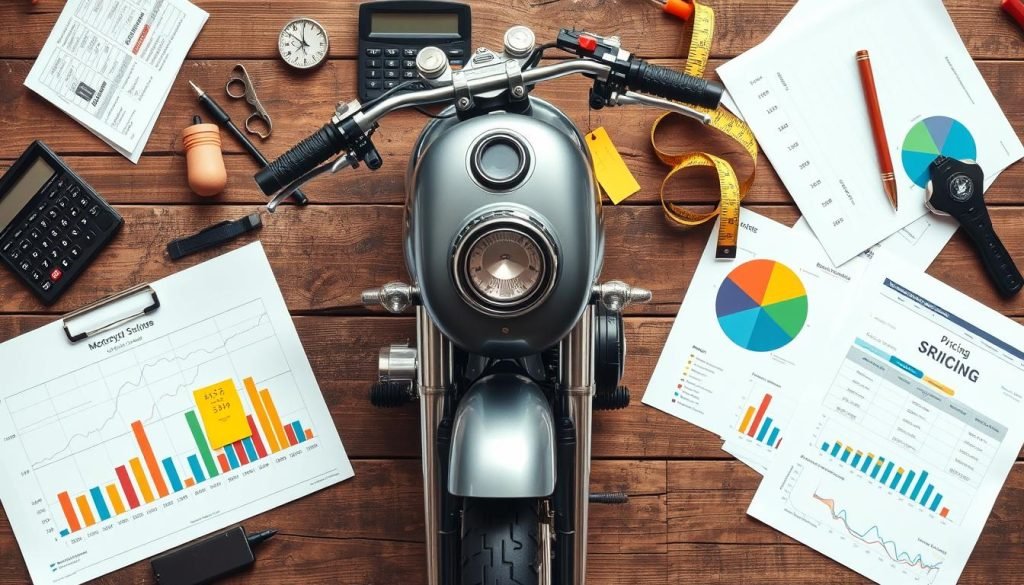
The value of your motorcycle depends on several factors. Buyers will look at these closely. Knowing what they look for helps you set a price that will attract buyers and sell your bike fast.
Researching Comparable Models
Good pricing starts with solid market research. Here’s how to figure out your bike’s worth:
- Look up similar motorcycles online in your area
- Compare them by make, year, and condition
- Check the price range for bikes with similar mileage
- Think about any special upgrades or changes
Using Online Valuation Tools
Online tools can give you a good idea of your bike’s value. Sites like Kelley Blue Book and NADA Guides give detailed estimates. They consider things like your bike’s attributes.
| Valuation Factor | Impact on Price |
|---|---|
| Mileage | Higher miles mean lower prices |
| Maintenance History | Good service history can raise the price |
| Condition | Bikes in good shape sell for more |
| Seasonal Demand | Prices change with the seasons |
*”Price your motorcycle realistically. An overpriced bike sits unsold, while an underpriced one leaves money on the table.”*
Getting the price right is key. Do your research, use online tools, and be honest about your bike’s value. A well-priced bike will draw in serious buyers and help you sell quickly and for a good price.
Choosing the Right Selling Platform
Choosing the right platform to sell your motorcycle online is crucial. Each method has its own benefits and drawbacks. These can affect how much you sell your bike for and how easy it is to sell.
- Online marketplaces
- Motorcycle dealerships
- Local motorcycle auctions
- Classified advertisements
Online Marketplaces: Maximizing Exposure
Online marketplaces like Gumtree and BikesSales.com.au help your motorcycle get seen by more people. They let you connect with buyers all over Australia.
Motorcycle Dealerships: Convenience vs Value
Dealerships make selling fast and easy. But, they usually offer less money than private buyers. You get a quick deal, but it might not be the best price.
Local Auctions and Classifieds: Targeted Approach
Local auctions and classifieds are great for finding buyers in your area. They attract serious bikers who know what they’re looking for.
“The right selling platform can significantly impact your motorcycle’s final sale price and selling speed.”
| Platform | Pros | Cons |
|---|---|---|
| Online Marketplaces | Wide audience reach | More seller effort required |
| Dealerships | Quick sale process | Lower sale prices |
| Local Auctions | Targeted motorcycle enthusiasts | Limited geographic reach |
Your choice depends on what matters most to you. Do you want a quick sale, the best price, or to put in the least effort?
Crafting an Attractive Listing
Selling your motorcycle is more than just posting an ad. Good motorcycle listing tips can really help. They can attract serious buyers and get you a better price.
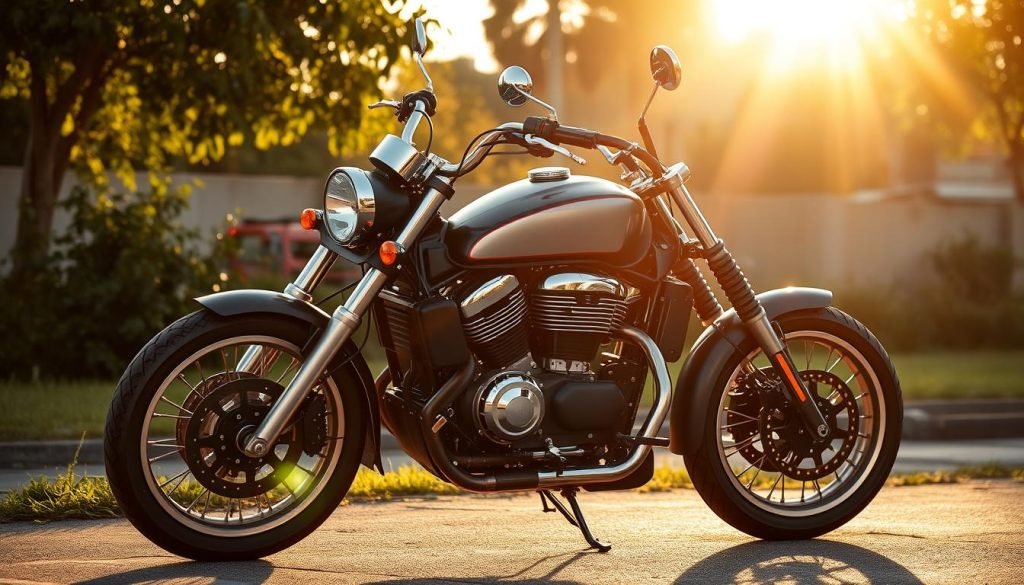
Your motorcycle sales description is the first thing buyers see. A good story about your bike’s special features can stand out in a crowded market.
Writing Compelling Descriptions
When you list your bike, be detailed and honest. Include things like:
- Exact make, model, and year
- Total mileage and current condition
- Recent maintenance or upgrades
- Any unique modifications or accessories
- Reason for selling
Mastering Motorcycle Photography
Good motorcycle photos can make your listing pop. Clear, professional images let buyers imagine themselves with your bike.
| Photo Angle | Purpose |
|---|---|
| Full Side Profile | Showcase overall bike condition |
| Close-up of Details | Highlight unique features |
| Odometer | Verify mileage |
| Any Wear or Damage | Demonstrate transparency |
“A picture speaks a thousand words – specially in motorcycle sales”
Put in the work to create a detailed, honest listing with clear photos. Your effort will draw in more buyers and help you get a great price for your motorcycle.
Negotiating Cash Offers
Learning to negotiate the price of a motorcycle sale is key. Cash offers can give you an advantage in the market. They are powerful tools in your selling strategy.
Good motorcycle sale strategies start with knowing your bike’s true value. Negotiation is not just about the price. It’s about showing why your motorcycle is worth it.
Effective Negotiation Techniques
- Start with a slightly higher asking price to create negotiation room
- Research comparable motorcycle sales in your area
- Highlight unique features that add value to your bike
- Be prepared with maintenance records and service history
Pricing Strategy Insights
| Valuation Factor | Impact on Price |
|---|---|
| Mileage (2,000-3,000 miles/year) | Moderate depreciation |
| Seasonal Market | Higher values April-September |
| Modifications | Can increase or decrease value |
Knowing When to Walk Away
Cash negotiations need confidence and clear expectations. Not every offer will meet your requirements. If an offer is too low, it’s okay to say no.
The key to successful negotiation is understanding your motorcycle’s true worth and standing firm in your valuation.
Remember, cash offers can be flexible. Buyers with cash might be more serious and willing to pay a fair price. Stay patient, confident, and strategic during negotiations.
Verifying Buyer Credibility
Selling a motorcycle needs careful attention to buyer verification. Your safety and financial security depend on making smart choices. Verifying the buyer is key to avoiding scams and protecting yourself.
When looking at potential buyers, several strategies can help ensure safe sales:
- Meet in a public, well-lit location during daylight hours
- Bring a friend or family member for additional security
- Trust your instincts about potential buyers
- Verify the buyer’s identity before proceeding with the sale
Identifying Reliable Buyers
Spotting a genuine buyer takes careful observation. Reliable motorcycle buyers usually show these traits:
- Ask detailed, intelligent questions about the motorcycle’s history
- Show genuine interest in inspecting the bike thoroughly
- Willing to provide proof of funds or payment method
- Communicate clearly and professionally
“Your safety is more important than any motorcycle sale. Always prioritize personal security over a quick transaction.”
Red Flags to Watch For
Staying safe from scams in motorcycle sales means being vigilant. Watch out for buyers who:
- Refuse to meet in person
- Offer to purchase without seeing the motorcycle
- Propose unusual payment methods
- Seem overly eager or pressure you to complete the sale quickly
By following these tips, you can lower the risk of scams and ensure a safe, successful sale.
Finalising the Sale
Finishing a motorcycle sale needs careful steps for payment and ownership transfer. You want a smooth, safe deal for both sides.
When wrapping up your motorcycle sale, knowing the best payment ways is key. The right choice can make a big difference in the process.
Understanding Payment Methods
Cash is the simplest way for most deals. Sellers suggest a few safe payment options:
- Direct cash payment
- Bank transfer
- Cashier’s cheque
- Escrow services for big deals
“Always check funds before handing over the bike,” advises an Australian motorcycle sales pro.
Completing Necessary Paperwork
Transferring bike ownership needs important papers for legal safety. Get these documents ready:
- Original registration certificate
- Completed transfer of ownership form
- Signed bill of sale
- Odometer disclosure statement
| Payment Method | Security Level | Processing Time |
|---|---|---|
| Cash | High | Immediate |
| Bank Transfer | Medium | 1-3 Business Days |
| Cashier’s Cheque | High | Same Day |
By sticking to these tips, you’ll handle the motorcycle sale finalization with confidence. This ensures a safe and clear deal.
Post-Sale Considerations
After selling your motorcycle, there are important steps to take. Your sale documents are key to protecting you and the buyer. Managing these responsibilities well can avoid legal problems later.
Transferring motorcycle ownership needs quick action with your local transport authority. You must fill out paperwork, like transferring registration and telling the government about the sale. Keep copies of all documents for your records, which might be useful later.
Transferring Ownership
Make sure to finish the ownership transfer on time, as required by your area. This usually means sending a notice of disposal to your local road transport authority. Also, ensure the buyer registers the motorcycle in their name to avoid any legal issues.
Handling Remaining Paperwork
Cancel your motorcycle insurance and tell your provider about the sale. Take out any personal items or documents before handing over the bike. Also, check that all financial matters related to the motorcycle are settled. This protects you from future claims or unexpected costs.