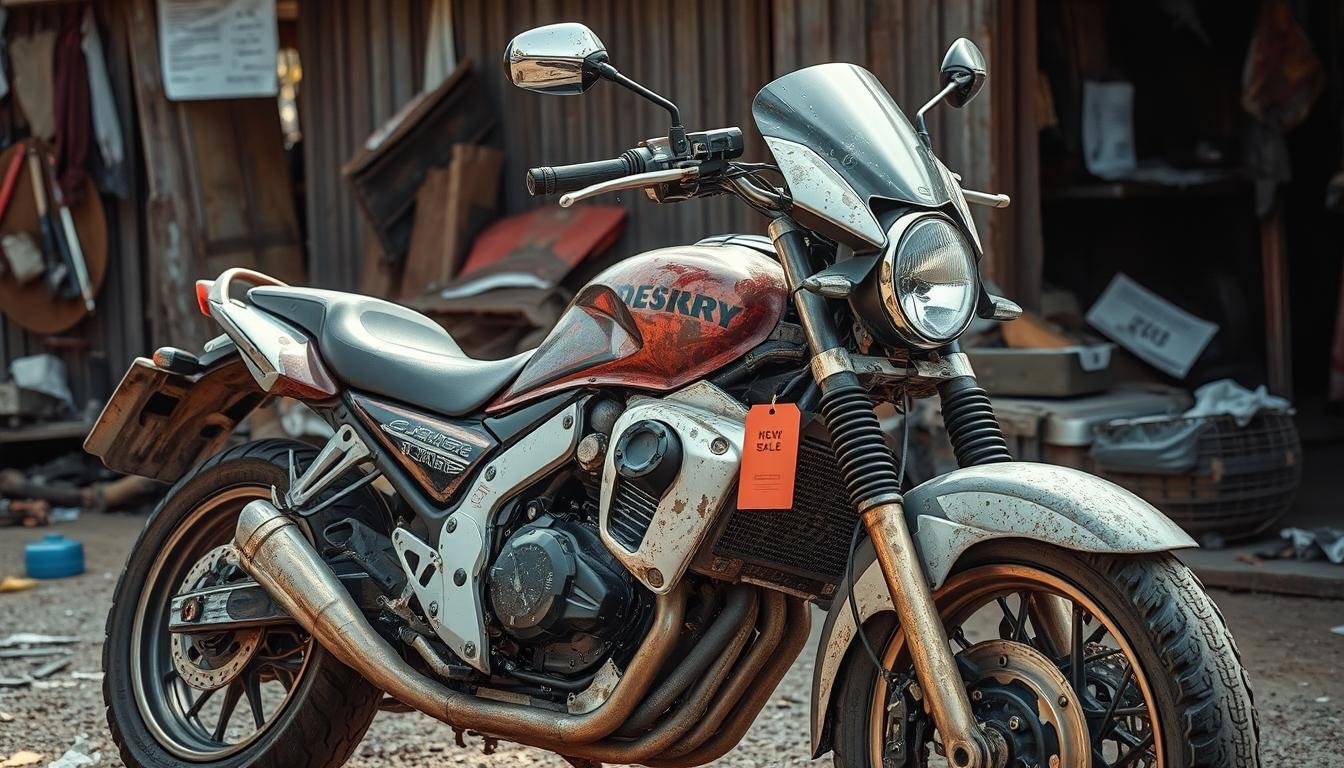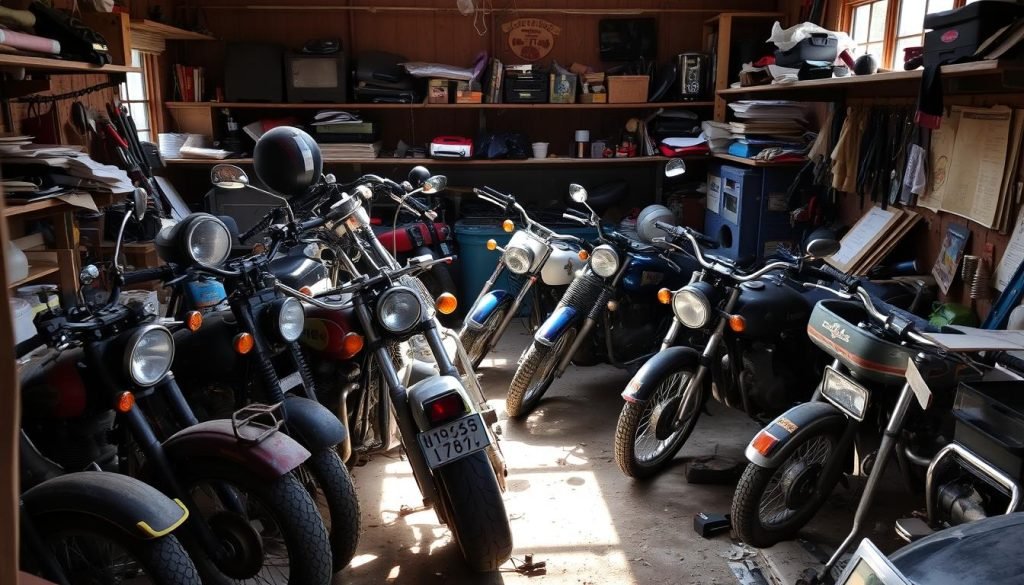
Ever thought about what to do with a motorcycle that’s been still for years? Selling a non-running motorcycle might seem tough, but it’s simpler than you think. Whether it’s a motorcycle salvage job or selling a damaged bike, there’s a market for it.
Every motorcycle has potential, even if it’s not roadworthy. In Australia, bike lovers and salvage experts are always looking for projects or parts. Your bike might be worthless to you, but it could be a treasure for someone else.
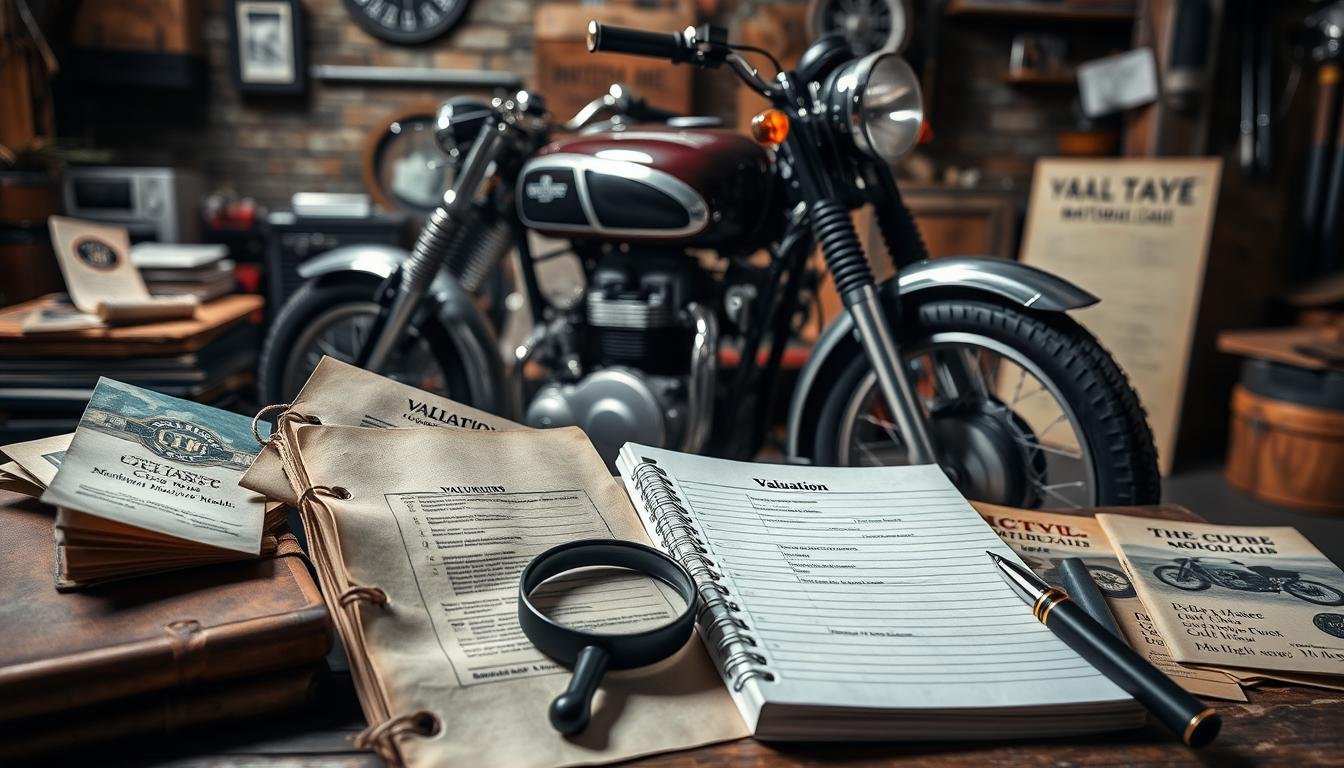
Knowing your non-running motorcycle’s value is important. Things like make, model, age, and condition affect its worth. Don’t let your bike sit idle when it could earn you money.
Key Takeaways
- Non-running motorcycles can still have significant value
- Research is key to understanding your bike’s potential worth
- Multiple selling platforms exist for damaged motorcycles
- Honest description increases buyer trust
- Professional assessment can help determine fair pricing
- Salvage markets offer opportunities for selling non-operational bikes
Understanding the Value of Your Non-Running Motorcycle
Selling a non-running motorcycle needs a smart plan to get the best price. Whether it’s a wreck or parts you’re selling, knowing your bike’s value is key.
Figuring out a non-running motorcycle’s worth involves several important points. Your bike’s value depends on many factors that affect how much it can sell for.
Assessing the Bike’s Condition
The condition of your motorcycle is very important when figuring out its value. Here are the main things to check:
- Motor functionality (does it spin?)
- Electrical system integrity
- Compression levels
- Visible physical damage
- Potential for parts salvaging
Researching Market Prices
Knowing the current market trends helps set a fair price for your motorcycle. Look at these price factors:
| Factor | Impact on Value |
|---|---|
| Bike Age | Newer bikes retain higher value |
| Mileage | Lower mileage increases resale potential |
| Maintenance History | Regular servicing boosts value |
| Seasonal Demand | Higher prices during riding season |
Identifying Unique Features
Some motorcycles have special features that can dramatically increase their value. Rare models, limited editions, or bikes with collectible potential might sell for more, even if they don’t run.
“Not all motorcycle wrecks are worthless. Some are treasure troves for parts enthusiasts.”
Pro tip: Look up similar models and talk to motorcycle fans online to get a good price. Being honest about your bike’s condition is important for selling parts.
Preparing Your Motorcycle for Sale
Selling a non-running motorcycle needs careful preparation to get the best price. How you restore your motorcycle can really affect its value and interest from buyers.
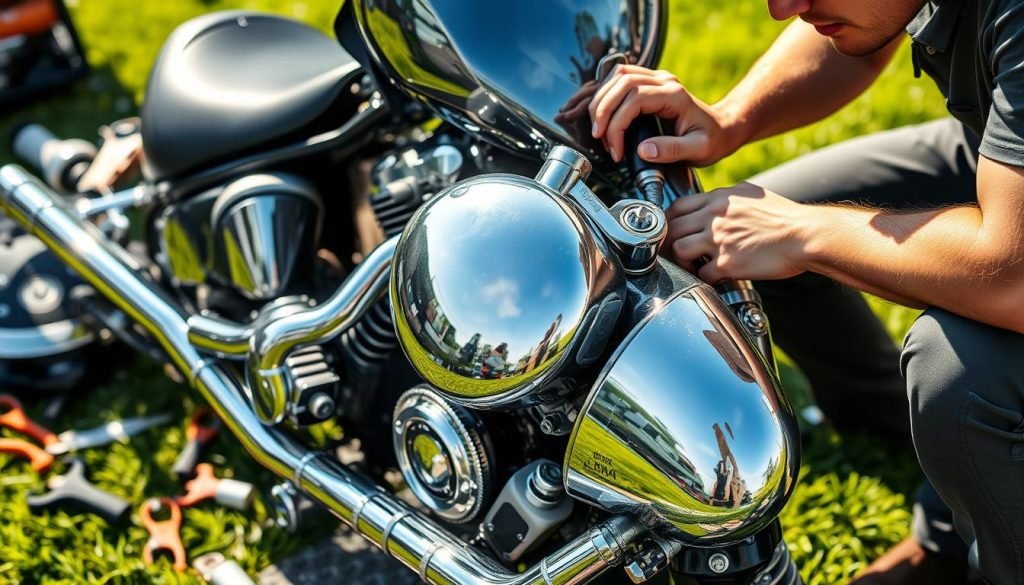
Before you list your motorcycle, spend time on thorough preparation. This includes cleaning, documenting repairs, and taking great photos that show your bike’s best side.
Cleaning and Maintenance Tips
A clean motorcycle looks better and is more valuable. Here are some tips to improve your bike’s look:
- Thoroughly wash and detail the entire motorcycle
- Polish chrome and metal surfaces
- Check and adjust critical mechanical components
- Replace worn or damaged parts
Essential Repair Checklist
| Repair Area | Recommended Action | Potential Value Impact |
|---|---|---|
| Electrical System | Replace burnt-out bulbs | 10% Increased Buyer Interest |
| Mechanical Components | Adjust throttle and brake play | 15% Enhanced Perceived Value |
| Tires and Wheels | Inspect and potentially replace | 20% Improved Sale Potential |
Documenting Repairs and Taking Quality Photos
For motorcycle restoration projects, keeping records is key. Photograph each repair and maintenance task. This creates a detailed visual record that boosts buyer confidence.
“A well-documented motorcycle tells a story of care and potential, making it more attractive to serious buyers.”
Good photos are crucial for your sale. Use natural light, show different angles, and focus on both the bike’s good points and areas needing work.
Choosing the Right Selling Platform
Selling a damaged motorcycle needs careful planning and the right marketplace. As a motorcycle fan, you’ll want to check out different places to sell your bike. This increases your chances of finding a buyer.
Online Marketplaces for Selling Damaged Motorcycles
- Bikesales.com.au – Australia’s top motorcycle classifieds site
- Gumtree – Great for local deals
- Facebook Marketplace – Wide reach and easy to talk to buyers
- eBay – Offers auction and fixed-price listings
Each site has its own benefits for selling damaged bikes. Knowing what each offers helps you pick the best one.
Local Selling Opportunities
Local classifieds and community boards are still good for finding buyers close by. They often attract serious bike fans who like project bikes or parts.
| Platform | Listing Cost | Buyer Reach |
|---|---|---|
| Bikesales.com.au | Free for bikes under $3,000 | Nationwide |
| Gumtree | Free | Local/Regional |
| Facebook Marketplace | Free | Local/Friends Network |
Specialized Motorcycle Enthusiast Groups
Joining motorcycle forums and local groups is smart. These places have people looking for restoration projects or specific parts.
Pro tip: Be honest about your motorcycle’s state to attract real buyers and gain trust in the motorcycle enthusiasts marketplace.
It’s important to know who uses each platform, what they need to list, and who might buy your bike. This helps you sell better.
Crafting an Effective Sales Listing
Selling a non-running motorcycle needs a smart plan to draw in buyers looking for motorcycle salvage. Your sales listing is key to success. It must be clear and honest.
Writing a Compelling Description
Being open is essential in selling a non-operational motorcycle. Share all you know about your motorcycle’s past, such as:
- Exact make, model, and year
- Current mechanical condition
- Why you’re selling
- What it could be fixed up to be
Highlighting Key Selling Points
Emphasize what makes your motorcycle special. Rare parts, collector value, or unique mods can grab attention.
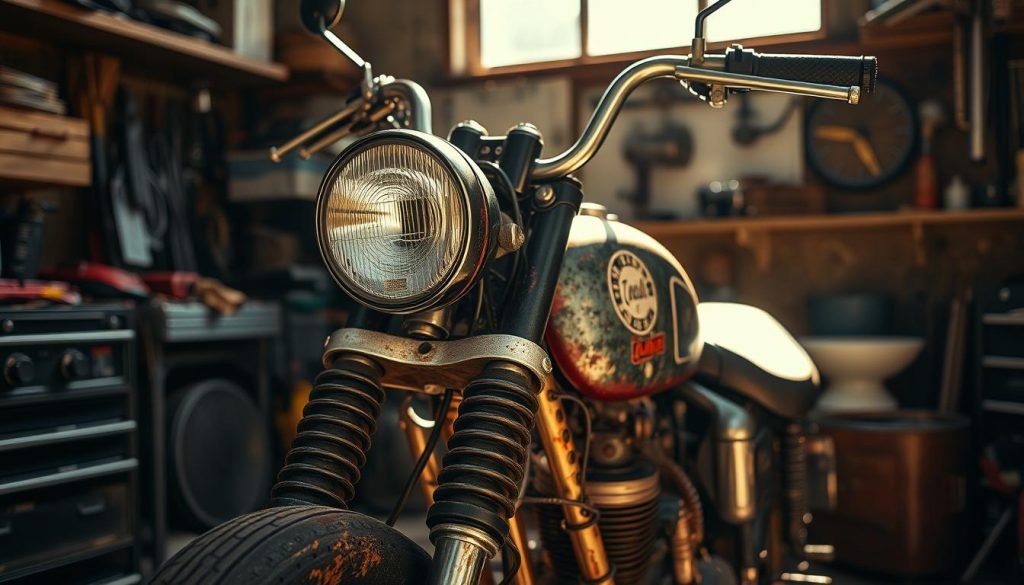
Honesty About the Condition
Buyers want the truth. Share every detail about your motorcycle, like:
- What’s wrong with it
- Any damage or wear
- Parts that might need fixing
- What’s still original
“The key to a successful motorcycle sale is providing clear, honest information that builds trust with potential buyers.”
Good photos from different views help your description. Show the motorcycle’s potential and current state. This gives buyers a full picture of what they’re looking at.
Pricing Your Non-Running Motorcycle
Selling a non-running motorcycle needs smart pricing to draw in buyers. Knowing the value of motorcycle wrecks and parts can help set a fair price. This price should match what your bike is worth.
When setting your motorcycle’s price, think about a few important things. These factors affect its value:
- Current condition of the motorcycle
- Make and model year
- Potential restoration value
- Availability of spare parts
Calculating a Competitive Price
Research is key for pricing motorcycle wrecks. Look at online marketplaces and motorcycle forums. This helps you see what similar bikes are selling for.
Factors Influencing Pricing
Many things affect your motorcycle’s price:
- Original purchase price
- Current mechanical condition
- Rarity of the motorcycle model
- Demand for specific motorcycle parts
Negotiation Strategies
Be ready to be flexible when negotiating prices. Buyers of motorcycle parts often look for good deals. These deals should consider the cost of repairs.
*Smart pricing can turn your non-running motorcycle into a valuable asset for enthusiasts and mechanics.*
| Pricing Consideration | Potential Value Range |
|---|---|
| Motorcycle in poor condition | $200 – $1,000 |
| Motorcycle with salvageable parts | $1,000 – $2,500 |
| Classic or rare motorcycle wrecks | $2,500 – $5,999 |
The goal is to find a balance. You want to attract buyers and get a fair price for your motorcycle’s value.
Negotiating with Potential Buyers
Selling a non-running motorcycle needs smart negotiation skills. How well you talk can turn a sale into a success or a miss.
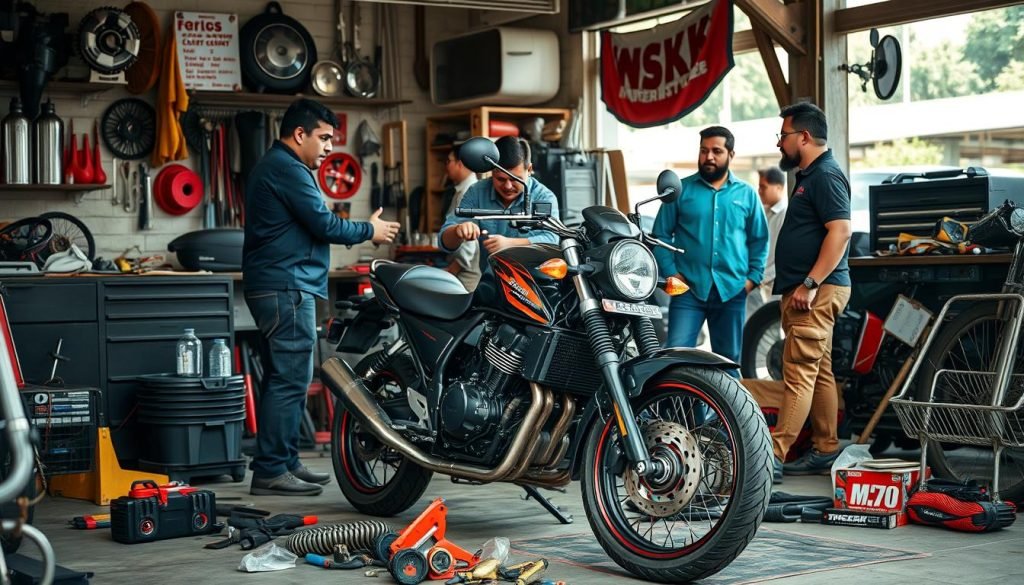
For motorcycle restoration projects, being ready and understanding people’s minds is key. Buyers have their own hopes and worries you must handle well.
Tips for Effective Negotiation
- Know your motorcycle’s exact market value
- Be open about the bike’s state
- Have records of past fixes
- Set a fair price range
Understanding Buyer Psychology
Buyers in the motorcycle world are either into fixing bikes or looking for parts. Knowing what drives them helps you make a strong case.
| Buyer Type | Motivation | Negotiation Strategy |
|---|---|---|
| Restoration Enthusiast | Project completion | Highlight potential, show research |
| Parts Collector | Specific component search | Provide detailed condition information |
Knowing When to Walk Away
Not every offer will be right for you. Patience is key in motorcycle sales. Know your minimum price and be ready to say no to offers that don’t match.
“The right buyer will see your motorcycle’s real worth.”
Good negotiation is about being firm yet flexible. You want a deal that makes both sides happy in the motorcycle world.
Finalising the Sale
Selling a motorcycle, even if it’s damaged, needs careful steps. Whether it’s salvage or a non-runner, the final steps are key for a smooth sale.
Essential Paperwork and Documentation
Getting the right documents is crucial for a successful sale. You’ll need:
- Vehicle title (clean and free of any financial encumbrances)
- Completed bill of sale
- Transfer of ownership forms
- Service history records
Secure Payment Methods
Choose payment methods that protect both you and the buyer. Good options include:
- Bank transfer
- Cashier’s cheque
- Cash for local transactions
“Always prioritize secure payment methods to protect yourself during the sale process.”
Handling Ownership Transfer
Transferring ownership is a key step. Make sure to:
- Complete all necessary state-specific transfer documents
- Sign and date all paperwork
- Provide a comprehensive handover of all keys
- Remove the motorcycle from your insurance
For those selling damaged motorcycles or exploring salvage, Bikeshop.com.au offers help. Be open about the bike’s condition and give all needed documents to buyers.
Common Mistakes to Avoid When Selling
Selling a non-operational motorcycle needs a smart plan and careful details. Many sellers make big mistakes that hurt their sale chances. Knowing these common errors can help you sell your motorcycle better.
Overpricing Your Motorcycle
Setting a too-high price is a big mistake. Buyers know how to compare prices. Look at similar bikes to find a fair price.
- Check online marketplaces for comparable listings
- Consider the bike’s current condition
- Factor in potential repair costs
- Be realistic about market demand
Neglecting Buyer Transparency
Being honest is key when selling a non-operational motorcycle. Telling buyers about the bike’s state, damage, and repair needs is important. Transparency builds trust and can attract serious buyers.
“The most successful sales are built on complete honesty about the motorcycle’s condition,” says Peter Terlick, motorcycle sales expert.
Skipping the Research Phase
Doing your homework is crucial. Knowing your motorcycle’s value, repair needs, and who might buy it can help a lot.
| Research Area | Key Considerations |
|---|---|
| Market Value | Compare prices across platforms |
| Repair Potential | Estimate restoration costs |
| Target Buyers | Identify motorcycle enthusiasts and restorers |
Avoiding these mistakes can help you sell your non-running motorcycle well. This way, you can get the best value for it.
Post-Sale Considerations
After selling your motorcycle, keeping a good reputation is key. Your actions after the sale can affect future deals and repeat customers. Think about how you can do better next time.
Looking After Your Reputation
Keeping a good name means being open and professional. Make sure all papers are right and talk clearly with the buyer about the bike’s state. In restoration projects, being upfront about the bike’s past and needs is valued.
Understanding After-Sale Obligations
Australian Consumer Law sets rules for selling cars privately. Even without dealer rules, being honest is vital. Keep all sale records, transfer papers, and talks with the buyer for at least three years.
Reinvesting or Upgrading Your Motorcycle Game
Think about using your sale money for your next bike adventure. You could start new restoration projects or get a new model. Look at your goals, research, and grow your motorcycle knowledge and friends.